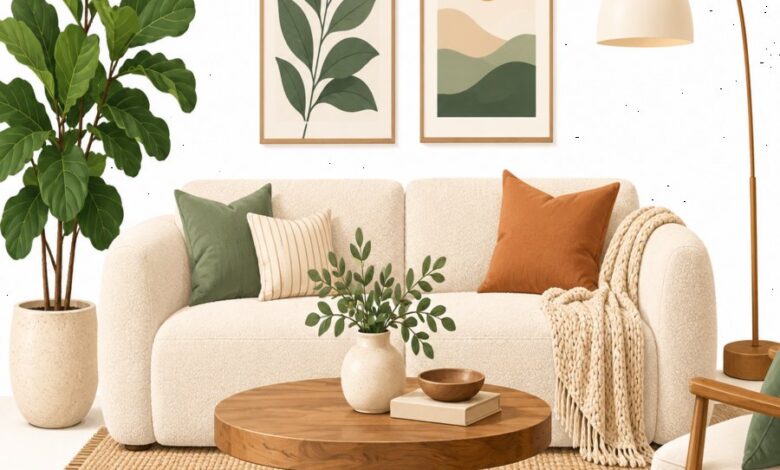
Fast furniture has quietly become the fast fashion of the home world, churning out flimsy pieces that warp, sag, and land in landfills within a few short years. The good news is that the newest living room decor trends are pushing back hard against this throwaway culture. Homeowners are choosing pieces with staying power, character, and craftsmanship instead of chasing whatever is cheapest and trendiest for a season. If you are ready to build a living room that actually lasts, these seven curated shifts are worth your attention.
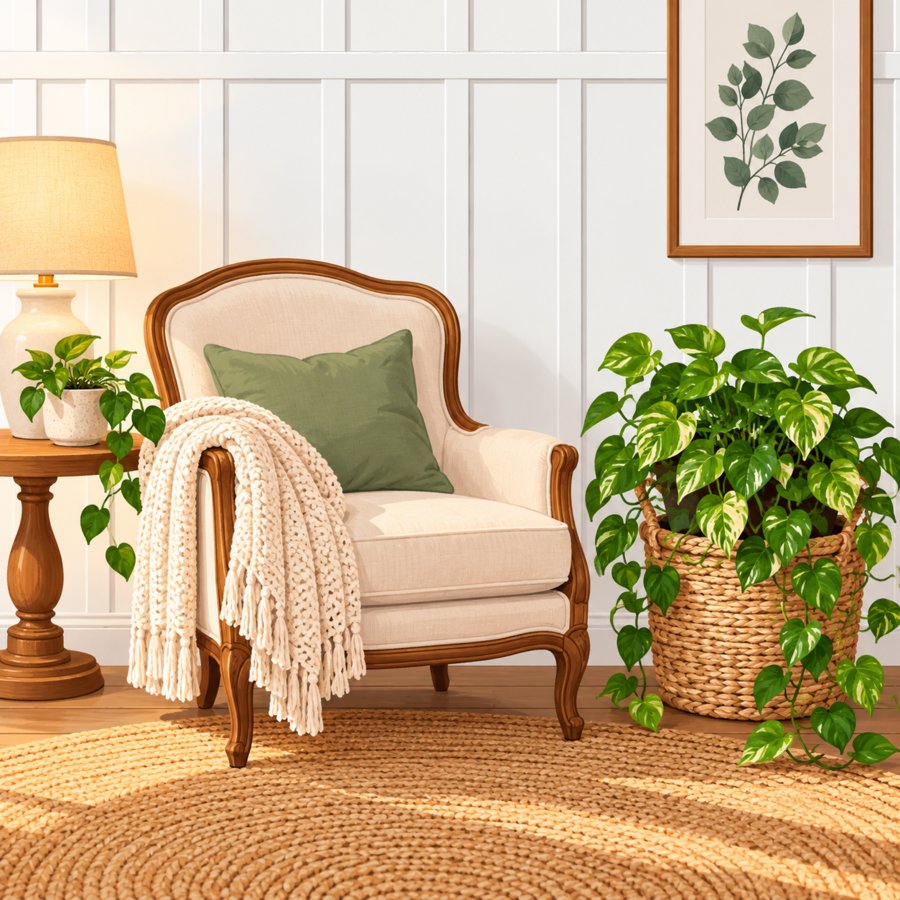
Why Living Room Decor Trends Are Finally Rejecting Fast Furniture
For years, mass-produced sofas and particleboard coffee tables dominated living rooms because they were affordable and instantly available. But the hidden cost showed up fast: wobbly legs, sagging cushions, and finishes that peeled within months.
Today’s shoppers are more educated about material quality, and that awareness is reshaping the entire industry. Solid wood, kiln-dried frames, and natural upholstery are no longer niche requests, they are becoming the baseline expectation.
This shift is also why neutral interior styling has surged in popularity. Neutral palettes age gracefully, pair with almost any future purchase, and avoid the dated look that comes from chasing bold, trend-driven colorways every year.
Trend One: Heirloom-Quality Wood Furniture
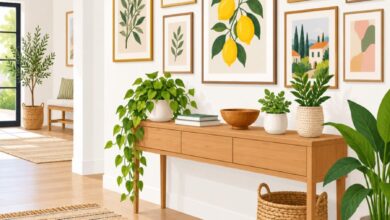
Solid wood furniture is reclaiming its throne in the modern living room. Pieces crafted from oak, walnut, and ash are being chosen specifically because they can be refinished, repaired, and passed down rather than discarded.
What to look for: Check joinery closely. Dovetail or mortise-and-tenon joints signal genuine craftsmanship, while staples and hot glue usually indicate a short-lived piece.
Investing in one substantial wood console or coffee table often does more for a room than five smaller trend-driven purchases. It becomes the anchor piece that every other decision supports.
Trend Two: Natural Fiber Upholstery and Textiles
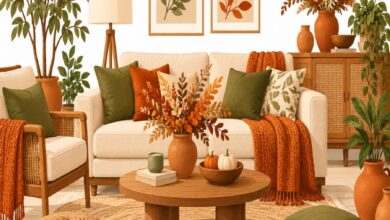
Linen, boucle, wool, and organic cotton are replacing synthetic polyester blends on sofas and accent chairs. These natural fibers breathe better, resist pilling, and develop a lived-in patina instead of looking worn out.
Textured throw pillows and woven wool rugs are now central to neutral interior styling, adding depth to a room without relying on busy patterns that quickly feel outdated.
If you are unsure where to start, swap one synthetic throw blanket for a chunky wool version. The tactile upgrade alone makes a noticeable difference in how a sofa feels and photographs.
Trend Three: Statement Accent Walls That Replace Clutter
Instead of filling shelves with disposable knick-knacks, homeowners are letting the architecture do the talking. Thoughtful accent wall ideas are stepping in as the real focal point of the room.
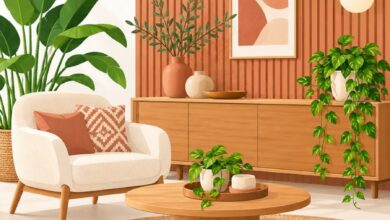
Limewash paint, vertical wood slats, and subtle Venetian plaster finishes are leading the pack this year. They add texture and warmth without requiring a single extra object to maintain the look.
One of the most durable accent wall ideas is installing a half-height board-and-batten treatment behind the sofa. It is budget-friendly, DIY-approachable over a weekend, and instantly elevates the entire seating area.
If your renovation plans extend into the bathroom or kitchen, it is worth reviewing common tile grouting mistakes to avoid during a bathroom refresh before you start mixing any mortar, since a rushed grout job can undo an otherwise beautiful tile investment.
Trend Four: Modern Minimalist Styling Over Maximalist Clutter
Fast furniture often encourages overbuying because pieces are cheap and disposable. In contrast, modern minimalist styling asks a simple question before every purchase: will this still earn its place in five years?
This does not mean a cold, empty room. It means curated surfaces, generous negative space, and furniture chosen for both function and form rather than filler.
A living room built around modern minimalist styling typically includes one sculptural lighting fixture, one textured rug, and a handful of well-chosen plants rather than a dozen scattered decorations competing for attention.
Trend Five: Vintage and Secondhand Sourcing
Thrift stores, estate sales, and online marketplaces have become legitimate design resources rather than last resorts. A well-sourced vintage armchair often outperforms a brand-new mass-market version in both durability and style longevity.
This approach also supports sustainability goals, since it keeps sturdy furniture circulating instead of adding new manufacturing demand. Many of the most photographed living room decor trends right now mix one or two vintage finds with newer neutral staples.
When shopping secondhand, inspect frames for structural soundness rather than focusing purely on fabric condition. Reupholstering a solid frame is far more worthwhile than restoring a piece that is falling apart underneath.
Trend Six: Biophilic Touches and Living Greenery
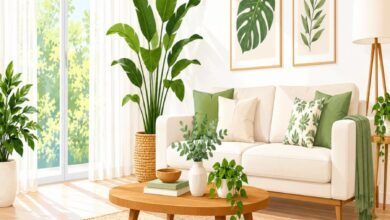
Bringing nature indoors continues to anchor many current living room decor trends, and for good reason. Plants soften hard architectural lines, improve air quality, and add color that never feels like a passing fad.
Fiddle-leaf figs, snake plants, and trailing pothos remain reliable choices for living rooms with moderate light. For guidance on selecting plants suited to your exact climate zone, the Royal Horticultural Society’s plant selection resources offer dependable, research-backed recommendations.
Pair greenery with natural-material planters, such as terracotta or woven rattan, to keep the look cohesive with the room’s broader neutral palette.
Trend Seven: Investment Lighting as a Design Centerpiece
Lighting has graduated from an afterthought to a true design investment. Sculptural floor lamps, oversized pendant fixtures, and layered sconce lighting are replacing the single harsh overhead bulb many living rooms relied on for decades.
Warm-toned bulbs between 2700K and 3000K consistently photograph and feel better in neutral spaces than cooler daylight tones, which can read as clinical.
A quality lighting fixture, much like solid wood furniture, is built to last decades rather than one or two seasons, making it one of the smartest places to spend slightly more upfront.
Building a Living Room That Resists Fast Furniture Fatigue
The common thread running through all seven of these shifts is intentionality. Instead of filling a room quickly and cheaply, today’s most successful living room decor trends reward patience, research, and a willingness to spend more on fewer, better things.
Start with one foundational piece, whether that is a solid wood console or a well-built sofa frame, then layer in texture through neutral interior styling and natural fiber textiles over time.
Resist the urge to complete the room in a single weekend shopping trip. The most admired living rooms are almost always assembled gradually, with each addition chosen because it fits a long-term vision rather than a short-lived sale.
By prioritizing quality materials, considered accent wall ideas, and a restrained, functional layout, your living room can sidestep the fast furniture cycle entirely and settle into a timeless, durable style that only improves with age.