If your closet feels like a daily battle between tangled hangers and toppling bins, you are not alone. The good news is that smart closet organization systems can transform even the tiniest nook into a functional, visually calming space. Whether you are working with a narrow reach-in closet or dreaming of a spacious walk-in, the right combination of shelving, bins, and vertical storage can make every inch count. In this guide, we will walk through six practical, budget-friendly strategies to help you reclaim your space and your sanity.
From clever use of wall space to the magic of modular bins, these ideas work for renters and homeowners alike. No demolition required just thoughtful planning and a few affordable tools. Let’s dig into the details and get your closet working as hard as you do.
Why Smart Closet Organization Systems Matter More Than Ever
As homes get smaller and wardrobes get bigger, the pressure on our closets has never been greater. A disorganized closet does not just waste space, it wastes time, energy, and mental clarity every single morning.
Investing in thoughtful closet organization systems means you stop treating your closet as a dumping ground and start treating it as a functional extension of your home. This shift in mindset is the foundation for every tip in this article.
The best part is that you do not need a massive budget or a professional installer. Many of the most effective solutions are modular, adjustable, and designed to grow with your needs over time.
1. Master Your Walk-In Closet Layout First
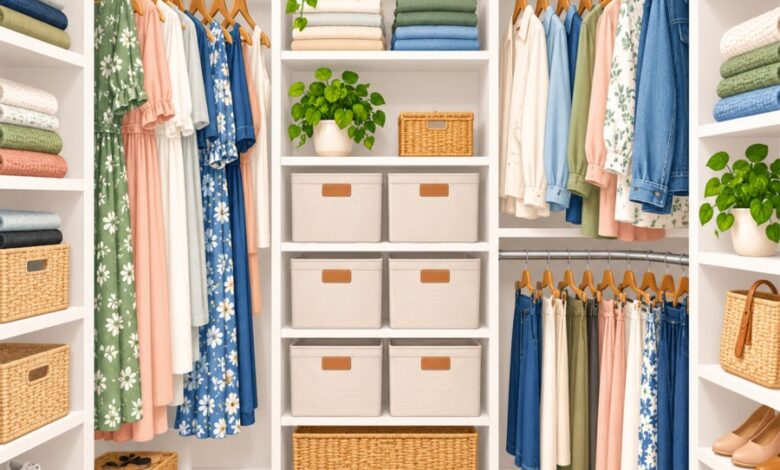
Before you buy a single bin or bracket, take stock of your existing footprint. A well-planned walk-in closet layout typically divides the space into zones: hanging garments, folded items, shoes, and accessories.
Start by measuring your wall space and sketching a simple floor plan. Zone by frequency of use keep everyday items at eye level and seasonal pieces higher up or lower down.
If your closet is an awkward shape, consider corner shelving units or slim rolling carts that tuck into dead space. Even a few inches of unused corner can become valuable storage real estate with the right layout tweak.
A smart layout is the backbone of every successful closet renovation, so take your time here before moving on to shelving and bins.
2. Go Vertical With Clothing Storage Solutions
One of the most underused areas in any closet is the vertical space above and below your main hanging rod. Embracing vertical clothing storage is a game changer for small closets especially.
Double-hang rods instantly double your hanging capacity by stacking a second rod beneath the first, perfect for shirts, folded pants, or skirts. Tiered hanging organizers are another excellent option for sweaters and accessories that do not need a full rod.
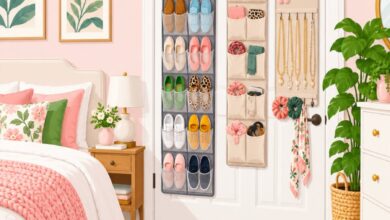
Over-the-door hooks and slim vertical shoe racks also make use of space that is otherwise completely wasted. When every surface, including the back of the door, contributes to storage, your closet suddenly feels twice as large.
Think of your closet the same way you would think about a small apartment: height is just as valuable as floor space. This same principle applies outdoors too, where gardeners use wall-mounted planters to save ground space, similar in spirit to this clever vertical pallet wood wall planter project that turns unused wall area into functional storage.
3. Build a Capsule Wardrobe With Smart Bins
Minimalist dressing has surged in popularity, and for good reason: fewer, better pieces mean less clutter and faster decision-making. Pairing this philosophy with labeled capsule wardrobe bins makes staying organized almost effortless.
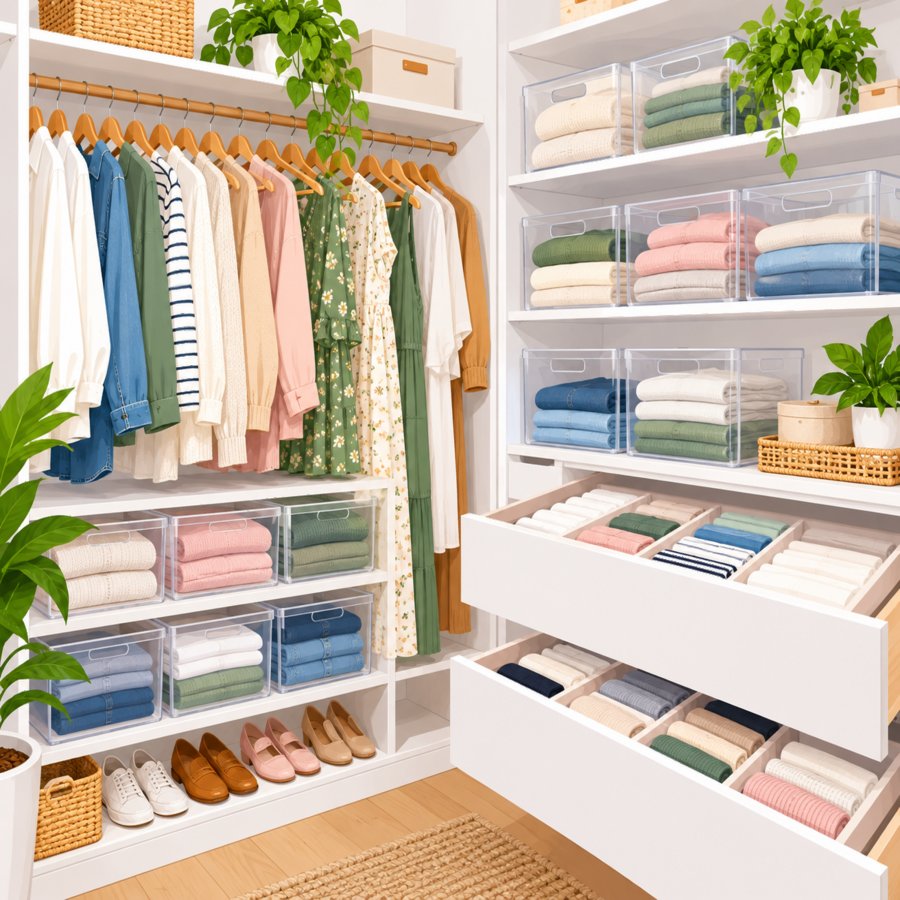
Clear, stackable bins let you see contents at a glance, which is especially useful for rotating seasonal capsules. Label everything by category such as “workout tops,” “winter layers,” or “accessories” so you never have to dig through multiple containers.
This approach pairs beautifully with other closet organization systems because it reduces the overall volume of items you need to store in the first place. Less stuff genuinely does mean less stress.
Rotate your bins seasonally, swapping heavy sweaters for summer linens, and you will maintain a tidy closet year-round without constant reorganizing.
4. Install Adjustable Shelving for Long-Term Flexibility
Fixed shelving can quickly become a limitation as your wardrobe changes with the seasons or your lifestyle shifts. Adjustable, track-based shelving is one of the most versatile closet organization systems available today.
These systems typically use wall-mounted tracks with movable brackets, allowing you to reposition shelves, rods, and drawers as needed. Start with a basic frame and add components gradually as your budget allows.
Wire shelving is a budget-friendly choice that allows dust and air to circulate, while solid wood or laminate shelving offers a more polished, built-in look for those ready to invest a bit more.
Whichever material you choose, the ability to reconfigure your shelving means your closet can evolve alongside your needs for years to come, rather than requiring a full renovation every time your storage habits change.
5. Use Drawer Dividers to Tame Small Essentials
Socks, belts, jewelry, and scarves are notorious for turning drawers into chaotic junk piles. Simple adjustable drawer dividers solve this problem almost instantly.
Choose dividers made from bamboo, fabric, or molded plastic depending on your closet’s overall aesthetic. Measure your drawer depth first so you select dividers that fit snugly without shifting around every time you open the drawer.
For a closet island or built-in dresser, consider velvet-lined jewelry trays as a dedicated insert. This small upgrade protects delicate pieces while keeping them fully visible and tangle-free.
Dividers may seem like a minor detail, but they often make the biggest difference in day-to-day usability, especially in a shared closet with multiple people’s belongings.
6. Maximize Your Walk-In Closet Layout With Multi-Purpose Islands
If you are lucky enough to have a larger walk-in space, a central island can completely transform your walk-in closet layout. Islands provide folding surfaces, hidden drawers, and even seating all in one compact footprint.
Look for pre-fabricated island units designed specifically for closets, many of which include built-in laundry hampers or velvet jewelry inserts. Keep walkways clear by choosing an island sized appropriately for your room, generally leaving at least 36 inches of clearance on all sides.
Even in a modest walk-in, a slim rolling cart can serve the same purpose without the commitment of a permanent fixture. It is a flexible, renter-friendly way to add function without major installation.
For further inspiration on maximizing functional home spaces efficiently, the Better Homes & Gardens home organization resources offer excellent additional ideas for pairing form with function throughout the house.
Maintaining Your New Closet Organization Systems Long-Term
Setting up a beautiful, functional closet is only half the battle, the real challenge is keeping it that way. A quick seasonal review, roughly every three months, keeps your system running smoothly.
During each review, pull out anything you have not worn in the past year and consider donating it. One in, one out is a simple rule that prevents future overcrowding before it starts.
Encourage everyone in the household to return items to their designated zones immediately after use. Consistency, more than any single product, is what makes well-designed closet organization systems last for years rather than months.
Finally, do not be afraid to adjust your setup as life changes. A growing family, a new job with different attire needs, or a move to a new home may all call for small tweaks to your original plan.
With these six strategies in place, your closet can finally become the organized, stress-free space you have always wanted. Start small, stay consistent, and watch your daily routine transform one shelf at a time.