
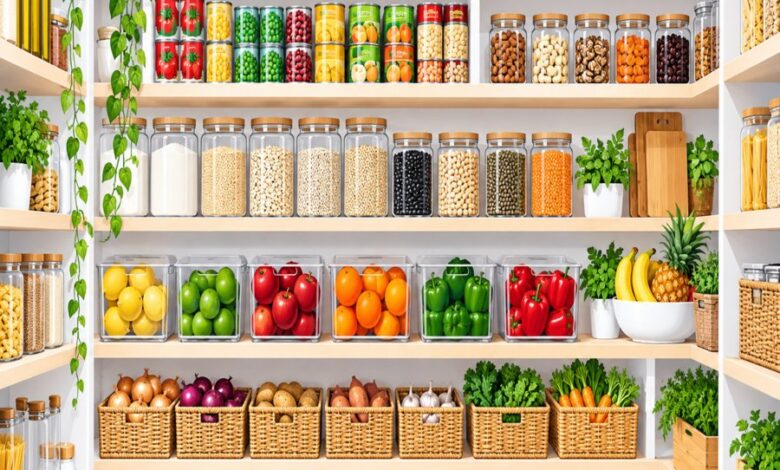
If your shelves look like a game of Tetris gone wrong, you are not alone. Most home cooks unknowingly repeat the same pantry organization mistakes year after year, and those small missteps snowball into a chaotic, frustrating kitchen. The good news is that every one of these errors is completely fixable with a little strategy and the right systems in place.
In this guide, we are breaking down the seven most common pantry organization mistakes that quietly sabotage your storage space, waste your food budget, and make daily cooking feel like a scavenger hunt. We will also walk through practical, budget-friendly fixes so your pantry can finally work for you instead of against you.

Why Small Pantry Organization Mistakes Create Big Kitchen Chaos
A disorganized pantry rarely happens overnight. It builds slowly, one hastily shoved box or forgotten can at a time, until the whole system collapses into clutter.
The ripple effect is real. Disorganization leads to duplicate grocery purchases, forgotten expired goods, and daily frustration every time you open the door looking for a simple ingredient.
The Financial Cost of Clutter
Food waste from forgotten or expired pantry items costs the average household hundreds of dollars annually. When you cannot see what you own, you buy more of what you already have.
Recognizing these pantry organization mistakes early is the first step toward reclaiming both your space and your sanity. Think of your pantry as a working system, not just a storage closet.
Mistake One: Skipping Kitchen Decluttering Before You Organize
The single biggest error people make is jumping straight to bins and labels without a proper kitchen decluttering session first. Organizing clutter simply creates prettier clutter.
Before you buy a single container, empty every shelf completely. Sort items into three piles: keep, toss, and donate.
Check Expiration Dates Ruthlessly
Spices lose potency after a year, and that bag of flour from two winters ago is not doing you any favors. A thorough kitchen decluttering pass should happen at least twice a year to keep things honest.
Wipe down shelves while they are empty, too. This is the perfect opportunity to spot crumbs, spills, or pests before they become bigger problems.
Mistake Two: Ignoring Pantry Shelf Zones
Without designated pantry shelf zones, items get placed wherever there happens to be space. This random approach guarantees you will forget what you have and where it lives.
Instead, group similar items together and assign them a permanent home. Baking supplies, breakfast items, snacks, canned goods, and grains should each have their own dedicated section.
Place Based on Frequency and Height
Eye-level shelves should hold everyday staples like cereal and snacks. Top shelves work well for bulky, rarely-used items, while lower shelves suit heavy canned goods or kid-friendly snacks within easy reach.
Establishing clear pantry shelf zones means every family member knows exactly where things belong, which keeps the system intact long after your initial organizing weekend.
Mistake Three: Using the Wrong Food Storage Bins
Not all containers are created equal, and mismatched, flimsy, or oversized food storage bins are one of the most overlooked pantry organization mistakes homeowners make.
Clear, uniform bins allow you to see contents at a glance and stack efficiently. Opaque or oddly shaped containers waste vertical space and hide what is actually inside.
Match Bins to Actual Needs
Deep bins work well for corralling snack packets, while airtight canisters are essential for flour, sugar, rice, and cereal. Investing in quality food storage bins also protects food from pantry pests far better than the original cardboard packaging.
Label every bin clearly, including an expiration date where relevant. This small habit prevents the classic mystery of unidentified white powder at the back of the shelf.
Mistake Four: Forgetting Vertical Space and Door Storage
Many pantries have untapped potential hiding in plain sight. The inside of the door, the ceiling space above the top shelf, and narrow gaps between shelving are all prime real estate.
Over-the-door racks are perfect for spices, foil, plastic wrap, or small condiment bottles. Adding a tension rod can even create a clever spot to hang spray bottles by their handles.
Add Risers for Hidden Capacity
Shelf risers or stackable tiers instantly double your usable space without any construction. This simple addition alone can resolve several pantry organization mistakes related to wasted vertical air space.
If you enjoy maximizing every inch of your home for growing things too, the same thoughtful space logic applies indoors with houseplants, where proper care routines like learning the right way to water plants from the bottom can keep your indoor garden just as efficient as your pantry shelves.
Mistake Five: Overlooking the First In, First Out Rule
Restocking groceries by shoving new items in front of older ones is one of the sneakiest pantry organization mistakes. It guarantees older products get buried and eventually forgotten.
Professional kitchens rely on the First In, First Out method, commonly called FIFO, and your home pantry deserves the same discipline.
Rotate Stock Every Grocery Trip
When you unpack groceries, move older cans and boxes to the front and place new purchases behind them. This tiny habit takes seconds but saves significant money over a year.
According to the USDA food safety guidelines, proper stock rotation and storage significantly reduce household food waste and improve overall food safety at home.
Mistake Six: Choosing Style Over Function
Scrolling through beautiful pantry photos online can inspire ambition, but chasing pure aesthetics without considering your actual cooking habits is a common trap.
A pantry filled with matching glass jars looks stunning, but if it takes twenty minutes to refill every container after each grocery run, the system will not last.
Build Around Your Real Routine
Busy families need fast, low-maintenance solutions, while those who meal prep extensively may genuinely benefit from decanted ingredients. Know your lifestyle before committing to a system that looks nice but will not survive daily use.
Avoiding this particular pantry organization mistake means being honest about how much time you realistically want to spend maintaining your shelves each week.
Mistake Seven: No Maintenance Plan After the Big Organize
The final and most common mistake is treating organization as a one-time weekend project rather than an ongoing habit. Even the best system falls apart without upkeep.
Set a recurring reminder for a quick five-minute tidy session weekly, plus a deeper reset quarterly to catch anything that has drifted out of place.
Involve the Whole Household
Teach everyone in your home where items belong within your established zones. A system only one person understands will collapse the moment someone else restocks groceries incorrectly.
For further inspiration on maintaining organized, functional home spaces long-term, resources like Better Homes & Gardens offer excellent seasonal upkeep strategies worth bookmarking.
Building a Pantry System That Actually Lasts
Now that you can spot all seven pantry organization mistakes, it is time to put a lasting plan into action. Start small rather than attempting a complete overhaul in one exhausting afternoon.
Tackle one shelf zone at a time, starting with whichever area frustrates you the most on a daily basis. Momentum builds quickly once you see tangible results.
Your Quick Reference Checklist
Declutter thoroughly before organizing, assign clear zones by category and frequency, invest in matching airtight bins, use vertical space wisely, rotate stock consistently, build a system suited to your real routine, and schedule regular upkeep.
A well-organized pantry is not about perfection or Pinterest-worthy symmetry. It is about creating a calm, functional space where you can find what you need in seconds, reduce food waste, and finally enjoy cooking without the daily chaos of a disorganized shelf.