If your living room feels like it is closing in on you, the problem might not be your square footage at all. Low-profile furniture secrets are the hidden tool that interior designers reach for first when a room feels cramped, boxy, or visually heavy. By simply adjusting the height and scale of your furnishings, you can trick the eye into seeing a much larger, airier space without knocking down a single wall.
Most homeowners default to tall, bulky sofas and towering bookshelves because they assume more furniture equals more function. In reality, oversized pieces chop up a room’s sightlines and make ceilings feel lower than they actually are. Today we are breaking down five brilliant strategies, rooted in real design logic, that will help you reclaim every inch of visual space in your home.
Why Low-Profile Furniture Secrets Work on Cramped Rooms
Our brains judge room size largely by the amount of visible negative space, not just the actual floor plan. Negative space refers to the empty air and open floor you can see around and above your furniture. When a sofa or cabinet sits low to the ground, more wall and ceiling become visible, and your brain interprets that extra visibility as a bigger, more generous room.
This is the foundation of every low-profile furniture secret on this list. Tall furniture creates visual clutter at eye level, which is exactly where our attention naturally lands first. Dropping the silhouette of your key pieces shifts that visual weight downward, opening up sightlines across the entire room.
It also directly affects something designers call visual ceiling height , which is how tall a room feels rather than how tall it actually measures. A nine-foot ceiling can feel cramped with bulky, high-backed furniture, while an eight-foot ceiling can feel surprisingly tall when the furnishings beneath it sit low and lean. Mastering this illusion is the single fastest way to make a small or awkward room breathe.
Secret One: Choose Sofas and Beds With Lower Silhouettes
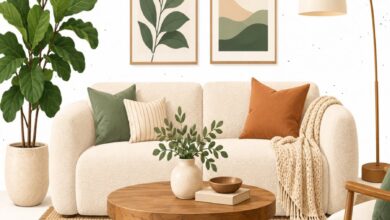
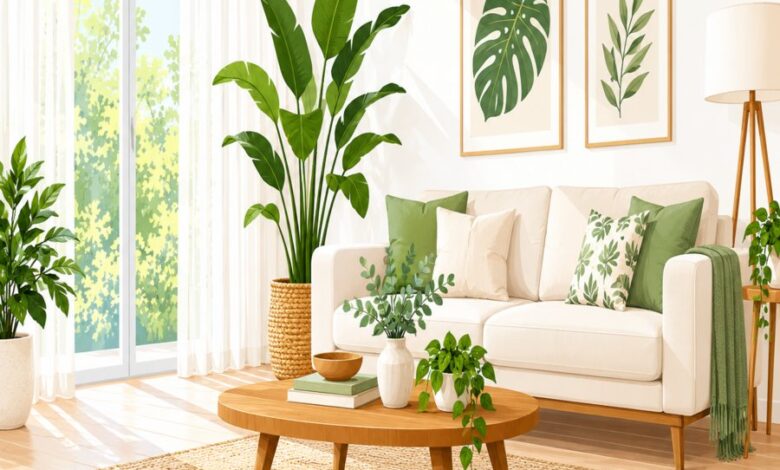
The sofa is usually the largest object in any living room, so it has the greatest power to either shrink or expand the space. A sofa with a seat height under 17 inches and a low back profile allows your eye to travel freely over the top of it toward the far wall. That uninterrupted sightline is one of the most effective low-profile furniture secrets available to anyone furnishing a tight living room.
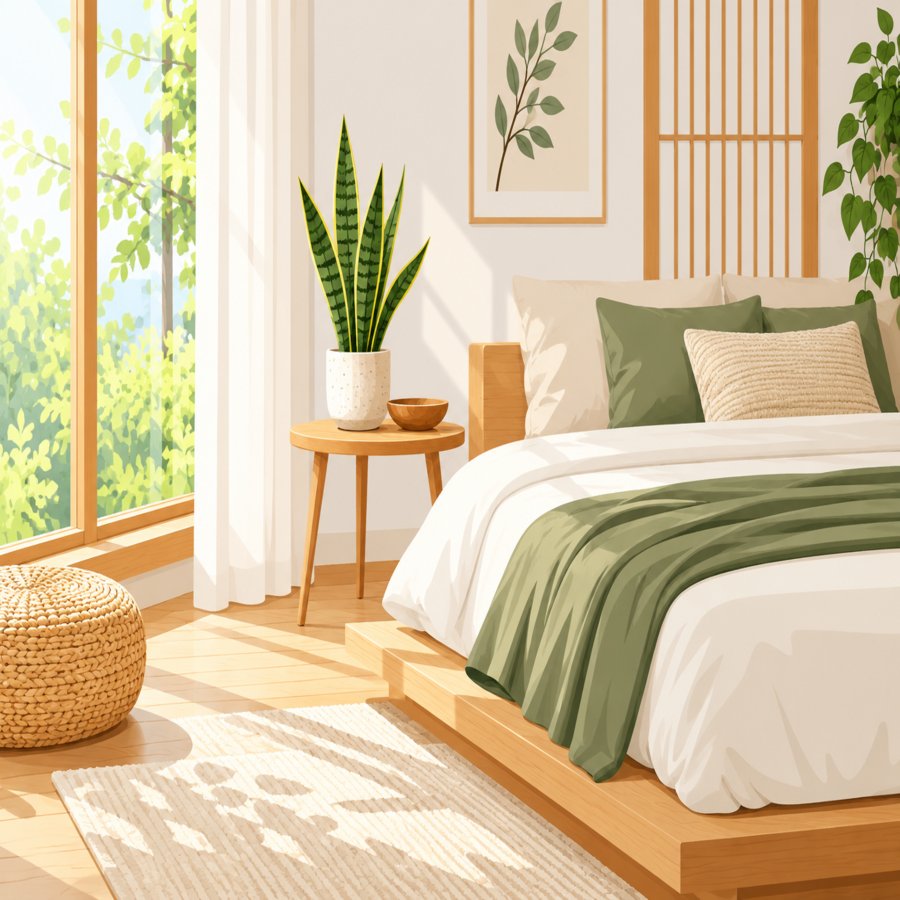
The same principle applies dramatically to bedrooms. A platform bed frame without a tall headboard, sitting close to the floor, instantly makes a bedroom ceiling feel higher and the walls feel further apart.
Practical tip: When shopping, measure the back height of any sofa or chair before buying. Anything under 30 inches from the floor to the highest point of the backrest is generally considered low-profile and will work in favor of a small room’s proportions.
Low, armless accent chairs are another underrated trick. They slide visually into a room rather than standing out as a hard, boxy shape, which keeps the whole seating arrangement feeling light and open.
Secret Two: Let Legs Do the Heavy Lifting
It is not only about how tall a piece of furniture is, it is also about how much floor you can see beneath it. Furniture that sits flush to the ground on a solid base blocks your view of the floor and visually “grounds” the room, making it feel heavier and smaller.
Choosing sofas, cabinets, and side tables with slim, exposed legs lets light and flooring show through underneath. This creates a floating effect that tricks the eye into perceiving more open floor area than actually exists.
Design rule of thumb: Look for furniture legs that are tapered, thin, and raised at least four to six inches off the ground. This is a classic feature of mid-century and Japanese modern aesthetic furniture, both of which prioritize airiness, negative space, and a sense of calm minimalism in every room they furnish.
Pairing leggy furniture with a lighter rug color underneath amplifies the effect even further, since the floor itself becomes part of the room’s visual breathing room rather than a hidden, forgotten surface.
Secret Three: Embrace Small Space Decor Through Scale Reduction
Small space decor is not just about buying smaller versions of the same furniture. It is about rethinking proportion so every piece in the room relates harmoniously to the space it occupies, rather than fighting against it.
A coffee table that is too tall relative to a low sofa will look awkward and disrupt the flow created by your low-profile choices. Aim for a coffee table height that sits within an inch or two of your sofa’s seat height to maintain a smooth, continuous horizontal line across the room.
Storage solutions: Swap tall bookshelves for low, horizontal credenzas or floating shelves mounted higher on the wall. This keeps storage functional while leaving the lower and middle zones of the room open and uncluttered.
Multi-functional furniture also plays a huge role here. A low ottoman that doubles as storage, or a nesting table set that tucks away when not needed, reduces visual clutter while still giving you everyday practicality.
According to the design experts at Better Homes & Gardens , scaling furniture appropriately to a room’s actual dimensions is one of the most overlooked yet impactful steps in making compact interiors feel comfortable rather than crowded.
Secret Four: Use Vertical Lines to Boost Visual Ceiling Height
Once your furniture is low, the next step is to draw the eye upward elsewhere in the room so the ceiling itself feels taller. This balance between low furniture and tall, slender accents is one of the most effective low-profile furniture secrets professional stagers use in real estate photography.
Hang curtains from a rod mounted close to the ceiling rather than directly above the window frame. This simple adjustment dramatically increases perceived visual ceiling height and makes the entire wall feel taller than it is.
Tall, narrow floor lamps or a single statement plant in a slim ceramic pot also pull the eye upward without adding bulky mass at eye level. A fiddle leaf fig or a snake plant in a slender pot works beautifully here, adding life and height without crowding the floor plan.
Keeping houseplants healthy in a low-furniture room matters too, since leggy, struggling plants undercut the clean look you are working toward. If you want your statement plants thriving and full rather than droopy, this guide on how bottom watering helps plants grow stronger roots is an excellent next read for keeping your vertical greenery in top shape.
Vertical striped wallpaper, tall mirrors, and floor-to-ceiling bookcases placed sparingly around the room’s perimeter all reinforce this upward pull while your furniture stays grounded and unobtrusive below.
Secret Five: Borrow From the Japanese Modern Aesthetic
Few design philosophies understand small spaces better than Japanese interiors, which have refined compact living for centuries. The Japanese modern aesthetic leans heavily on low furniture, natural materials, and an intentional sense of empty space called “ma,” which treats emptiness as a design feature rather than a void to be filled.
A low platform bed, a floor-level tatami-style seating area, or a shoji-inspired sliding screen are all authentic expressions of this style that double as practical low-profile furniture secrets for cramped apartments and starter homes.
Material choices matter: Natural wood, bamboo, rice paper, and linen textures keep the look warm rather than sterile. Pair these with a neutral, muted color palette of soft beige, warm wood tones, and matte black accents to complete the effect.
This aesthetic also naturally avoids visual clutter, since Japanese design philosophy encourages owning fewer, better-made pieces rather than filling every corner. Fewer objects at eye level means more open space for your eye to travel, reinforcing everything the other four secrets have already established.
Combining All Five Low-Profile Furniture Secrets in One Room
The real transformation happens when these strategies are layered together rather than used in isolation. Start with a low sofa on slim exposed legs, add a coffee table matched to its height, and finish with high curtains and a single tall plant in the corner.
Step-by-step approach: Begin with your largest piece, usually the sofa or bed, and commit to its low profile first. Every other furniture decision in the room should then be measured against that anchor piece to maintain a consistent, flowing horizontal line.
Resist the urge to fill every empty corner immediately. Living with a slightly sparser room for a few weeks often reveals which additional pieces are truly necessary, preventing the clutter creep that undoes low-profile furniture secrets over time.
The Royal Horticultural Society often notes that garden design and indoor design share this same principle: thoughtful negative space, whether in a flower bed or a living room, creates calm rather than chaos. Applying that same restraint indoors is what ultimately makes a small room feel generous.
Lighting ties the whole look together. Floor-level lamps and under-furniture LED strips reinforce the low, floating quality of your furniture while washing the ceiling and upper walls in soft ambient light, further boosting that all-important visual ceiling height.
Common Mistakes That Undo Low-Profile Furniture Secrets
Even with the right furniture, a few layout mistakes can quietly cancel out all your hard work. Pushing every piece against the walls, for example, creates a boxed-in feeling rather than an open one, since it leaves an empty, awkward void in the center of the room.
Avoid these pitfalls: Mixing too many furniture heights in one sightline, choosing rugs that are too small for the seating area, and hanging artwork too high above low furniture are the three most common errors that break the visual harmony you are working to build.
Instead, angle a low sofa slightly away from the wall and float it a few inches into the room. This creates natural walking paths and makes the floor plan feel intentional and spacious rather than cramped against the perimeter.
Overloading shelves and surfaces with decor is another silent space-killer. Curating a handful of meaningful objects, rather than displaying everything you own, keeps the low, open feeling intact throughout the entire room.
Finally, remember that color plays a supporting role to shape. Even perfectly chosen low furniture can feel heavy again if upholstered in a dark, dense fabric, so lean toward lighter tones or a soft texture that keeps the piece feeling light despite its grounded silhouette.
Final Thoughts on Transforming Cramped Rooms
Expanding a small room does not require a renovation budget or knocking down walls. It simply requires understanding how height, scale, and negative space work together to shape our perception of a room’s true size.
By applying these five low-profile furniture secrets, lowering your key pieces, exposing furniture legs, scaling down decor, drawing the eye upward, and borrowing from the Japanese modern aesthetic, any cramped room can feel noticeably larger within a single weekend of rearranging.
Start small by swapping just one piece, perhaps your coffee table or your curtain rod placement, and watch how much that single change shifts the entire feeling of the room. Once you see the results, you will likely find yourself applying these same principles to every corner of your home.