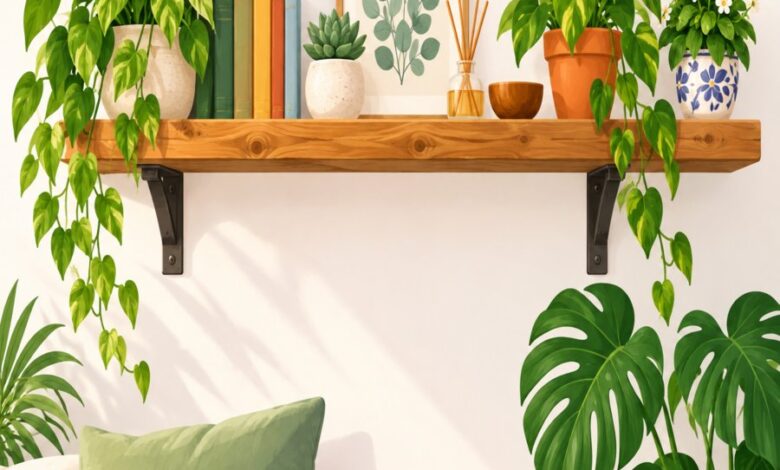
If your floating shelves have ever drooped, cracked, or sagged under the weight of your favorite books and plant pots, you are not alone. The secret to a shelf that stays rock solid for decades lies in a handful of proven floating wood shelf hacks that professional carpenters rely on but rarely share with homeowners. Today we are pulling back the curtain on five masterful techniques that transform a flimsy wall shelf into a heavy duty display platform capable of holding everything from cast iron cookware to a full library of hardcover novels.
Whether you are mounting a reclaimed slab in the living room or building a rustic ledge in the kitchen, these floating wood shelf hacks will save you from the dreaded wall-pull disaster. We will cover bracket selection, wood prep, anchoring strategy, and the finishing touches that make a shelf look effortlessly weightless while secretly supporting massive loads.
Why Most Floating Shelves Fail (And How Floating Wood Shelf Hacks Fix It)
Before diving into the hacks themselves, it helps to understand why so many DIY shelves fail within the first year. The most common culprit is a bracket that was never designed to handle real-world weight, paired with wall anchors that were an afterthought rather than a plan.
The Weight Myth
Many homeowners assume any shelf bracket will do, but a thin metal rod rated for ten pounds has no business holding a row of ceramic planters or a stack of cookbooks. The entire philosophy behind effective floating wood shelf hacks is matching the hardware to the actual load, not the load you hope it will hold.
The Wall Factor
Drywall alone cannot support serious weight no matter how strong your bracket is. You need to locate studs, use proper anchors, or in some cases add a backing plate inside the wall cavity before you even think about hanging your shelf.
Hack 1: Upgrade to Heavy Duty Shelf Brackets Hidden Inside the Wood
The first and most important of our floating wood shelf hacks involves rethinking the bracket entirely. Instead of visible L-brackets, look for heavy duty shelf brackets engineered specifically for concealed, floating installations.
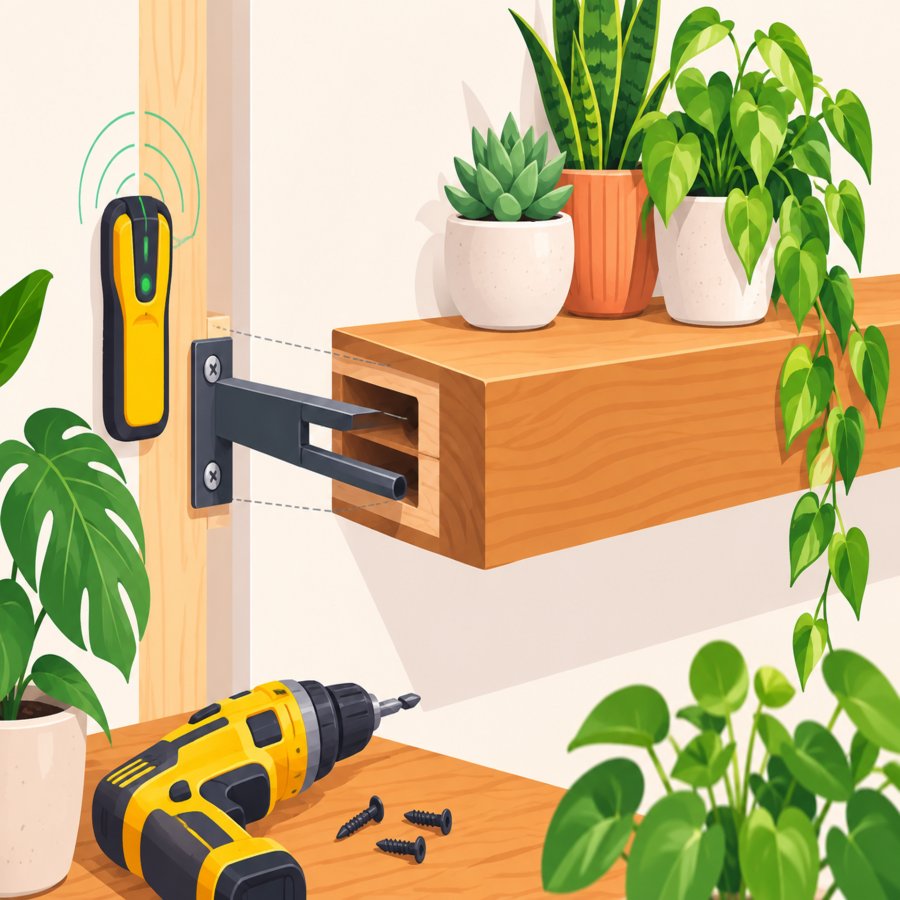
These brackets are typically made from solid steel rod or thick steel plate and are rated to support well over 100 pounds when properly anchored into studs. The key is routing a channel into the underside of your wood slab so the bracket slides in completely hidden, leaving only clean wood grain visible from any angle.
Choosing the Right Gauge
Look for brackets with a steel thickness of at least 3/8 inch for shelves longer than 36 inches. Thinner rods will flex over time, especially with heavier items like stacked dinnerware or a mounted television console shelf.
Spacing Matters
Space your heavy duty shelf brackets no more than 24 inches apart for maximum load distribution. For extra-long shelves, add a third bracket in the center rather than relying on just two end supports.
Hack 2: Master the Art of Blind Shelf Supports for a Seamless Look
If you want that magazine-worthy illusion of a shelf floating effortlessly on air, blind shelf supports are your best friend. These rod-style supports insert directly into pre-drilled holes in both the wall and the wood, disappearing entirely once the shelf slides into place.
The trick to making blind shelf supports perform at a heavy duty level is drilling your holes with absolute precision. Even a slight misalignment between the wall-mounted plate and the wood channel can create wobble that undermines the entire weight capacity.
Drilling Jigs Save the Day
Invest in a simple doweling jig to keep your holes perfectly parallel. This small tool is the difference between a shelf that slides on smoothly and one that fights you the entire way.
Depth Control
Drill your wood channel at least two-thirds the depth of the rod length for maximum grip. Shallow channels are a leading cause of shelves that tilt downward after a few months of use.
Hack 3: Choose Live Edge Wall Shelves for Natural Strength and Character
Not every strength hack is about hardware. Sometimes the wood itself is the hero, and that is exactly the case with live edge wall shelves. These slabs retain the natural, organic contour of the tree trunk, which often means thicker, denser wood than a standard milled board.
Because live edge wall shelves are frequently cut from hardwoods like walnut, oak, or maple, they naturally resist the sagging that plagues thinner pine or MDF shelves. Pairing a thick live edge slab with heavy duty shelf brackets creates one of the sturdiest floating wood shelf hacks in this entire guide.
Sealing the Natural Edge
Always seal the bark-free live edge with a penetrating oil or polyurethane to prevent cracking over time. Untreated edges are prone to splitting, especially in homes with fluctuating humidity.
Matching Wood to Room Humidity
For bathrooms or kitchens, choose a slab that has been properly kiln-dried, as green or improperly dried live edge wood will warp under steady moisture exposure.
Hack 4: Reinforce With a Hidden Internal Frame
For shelves intended to hold serious weight, such as a home office shelf stacked with hardcover reference books, consider building a hidden internal frame inside the shelf itself. This involves routing out the underside of a hollow-core shelf box and inserting a welded steel frame or a wood ladder frame before closing it up.
This internal frame then bolts directly to a ledger board secured into wall studs, essentially turning your floating shelf into a cantilevered platform rather than a simple board resting on rods. It is more labor-intensive, but among all the floating wood shelf hacks covered here, this one delivers the highest weight capacity by far, often exceeding 200 pounds.
Ledger Board Essentials
Use a ledger board at least as thick as the shelf’s internal frame and screw it into every stud it crosses. This board becomes the true load-bearing anchor point for the entire assembly.
Borrowing From Ceiling Techniques
Interestingly, the same structural logic used in hidden ceiling reinforcement projects applies here. If you enjoyed experimenting with concealed support systems, you will appreciate these clever faux beam ceiling hacks that use similar hidden-anchor principles to create dramatic overhead architecture.
Hack 5: Perfect Your Anchoring Strategy for Maximum Floating Wood Shelf Hacks Success
Even the best bracket or the thickest live edge wall shelves will fail if the anchoring strategy is weak. This final hack ties everything together by focusing entirely on how your hardware meets your wall.
Start by locating every available wall stud using a quality stud finder, and plan your bracket or blind shelf supports placement around those studs rather than forcing the studs to match your desired shelf position. When a stud genuinely is not available where you need it, use heavy duty toggle anchors rated for at least 50 pounds per anchor point, and always use a minimum of two per bracket.
Testing Before Trusting
Once installed, apply gradual pressure to the shelf and let it sit empty for 24 hours before loading it with anything heavy. This waiting period allows anchors to settle fully into the wall material.
Double-Checking Level
A shelf that is even slightly unlevel will redistribute weight unevenly across its brackets, accelerating wear on one side. Always confirm level both before and after the anchors are fully tightened.
Choosing the Right Wood Species for Heavy Duty Performance
Hardware is only half the equation. The wood species you choose dramatically influences how well any of these floating wood shelf hacks perform over the long term.
Oak, maple, and walnut are dense hardwoods that resist bending and sagging far better than softer woods like pine or cedar. If budget allows, a hardwood slab paired with heavy duty shelf brackets is the gold standard combination for any room expected to hold significant weight.
For those drawn to a more rustic aesthetic, reclaimed barn wood offers surprising density thanks to decades of natural drying, though it should always be inspected for insect damage before installation. Gardeners and plant lovers in particular appreciate the warmth that live edge wall shelves bring to a sunroom or plant corner, where the organic wood grain echoes the greenery displayed on top.
According to the Royal Horticultural Society, proper support structures are essential when displaying potted plants indoors, since soil-filled containers are considerably heavier than they appear and can quickly overload an underbuilt shelf.
Styling Your Heavy Duty Floating Shelves Without Sacrificing Strength
Once your shelf is structurally sound, styling becomes the fun part. The goal is to distribute weight evenly while still creating a visually balanced display.
Front-to-Back Balance
Place your heaviest items toward the back of the shelf, closer to the wall and the bracket’s anchor point. This reduces the leverage, or torque, applied to the bracket and minimizes the chance of tipping.
Grouping for Visual Weight
Cluster books, plants, and decor in groups of three for a designer-approved look that still keeps weight distributed across the full length of the shelf rather than concentrated in one spot.
These finishing touches prove that smart engineering and beautiful styling are not mutually exclusive. With the right combination of heavy duty shelf brackets, blind shelf supports, and a well-chosen slab, your floating wood shelf hacks can support real everyday life without ever looking overbuilt.
Maintenance Tips to Keep Your Shelves Strong for Years
Even the sturdiest installation benefits from periodic maintenance. A quick seasonal check keeps your shelves performing at their best.
Check for Hairline Movement
Every six months, gently push up on the shelf to check for movement at the wall connection. Any wiggle indicates it is time to retighten anchors or inspect for wall damage.
Refresh the Wood Finish
Reapply oil or wax to live edge wall shelves once a year to prevent drying and cracking, especially in homes with forced-air heating that strips moisture from wood during winter months.
By combining smart hardware choices with routine care, your floating wood shelf hacks will remain both stunning and structurally dependable for many years of daily use.