If aphids, slugs, and hornworms have been treating your organic garden beds like an all-you-can-eat buffet, you are not alone. The good news is that you do not need harsh synthetic chemicals to fight back. Natural pest control methods offer a safer, soil-friendly way to protect your vegetables, herbs, and flowers while keeping your backyard ecosystem thriving. In this guide, we will walk through five proven, organic-approved strategies that work together to shield your garden beds from destructive pests, season after season.
Why Natural Pest Control Methods Matter for Organic Beds
Organic gardening is built on the idea of working with nature rather than against it. When you reach for synthetic pesticides, you often kill off the pollinators and predator insects that would otherwise keep pest populations in check.
That is exactly why natural pest control methods have become the gold standard for home gardeners who care about soil health, food safety, and long-term sustainability. These approaches target the pest without disrupting the delicate balance of your garden’s microbiome.
They also tend to be far gentler on children, pets, and edible crops, since most rely on physical barriers, biological allies, or plant-derived oils instead of lab-synthesized toxins. The result is a garden that stays productive without the guesswork of chemical reapplication schedules.
Method One: Companion Planting Guide for Natural Defense
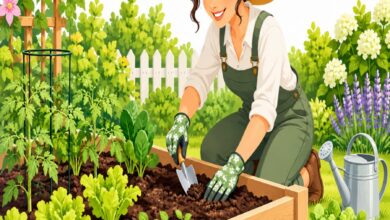
One of the oldest and most effective strategies is strategic plant pairing. A well-planned companion planting guide can help you repel pests before they ever reach your prized tomatoes or squash.
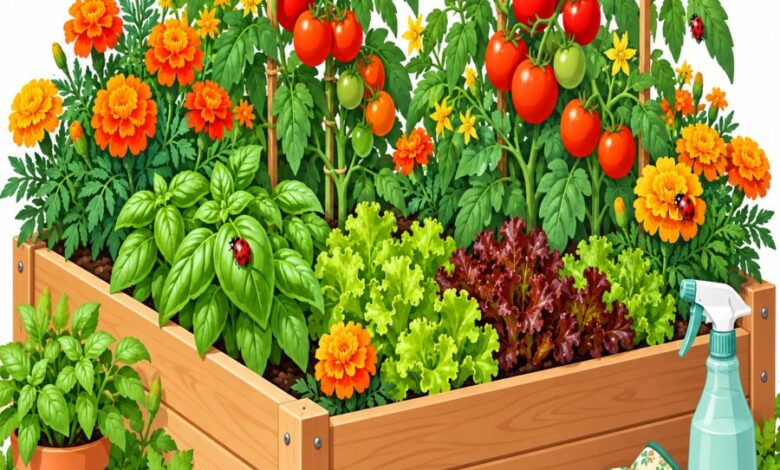
Marigolds, for instance, release a scent that deters nematodes and whiteflies, making them an excellent border plant around vegetable beds. Basil planted near tomatoes confuses hornworms, while nasturtiums act as a sacrificial trap crop that lures aphids away from your main harvest.
Garlic and chives are also worth tucking between rows, since their sulfur compounds mask the scent signals that pests use to locate host plants. Combining two or three of these companions throughout your beds creates layered, overlapping protection.
Beyond pest deterrence, many companion plants also improve soil structure and attract pollinators, giving you a two-for-one benefit. This makes companion planting one of the most efficient natural pest control methods available to home gardeners on any budget.
Method Two: Neem Oil Spray Application for Stubborn Pests
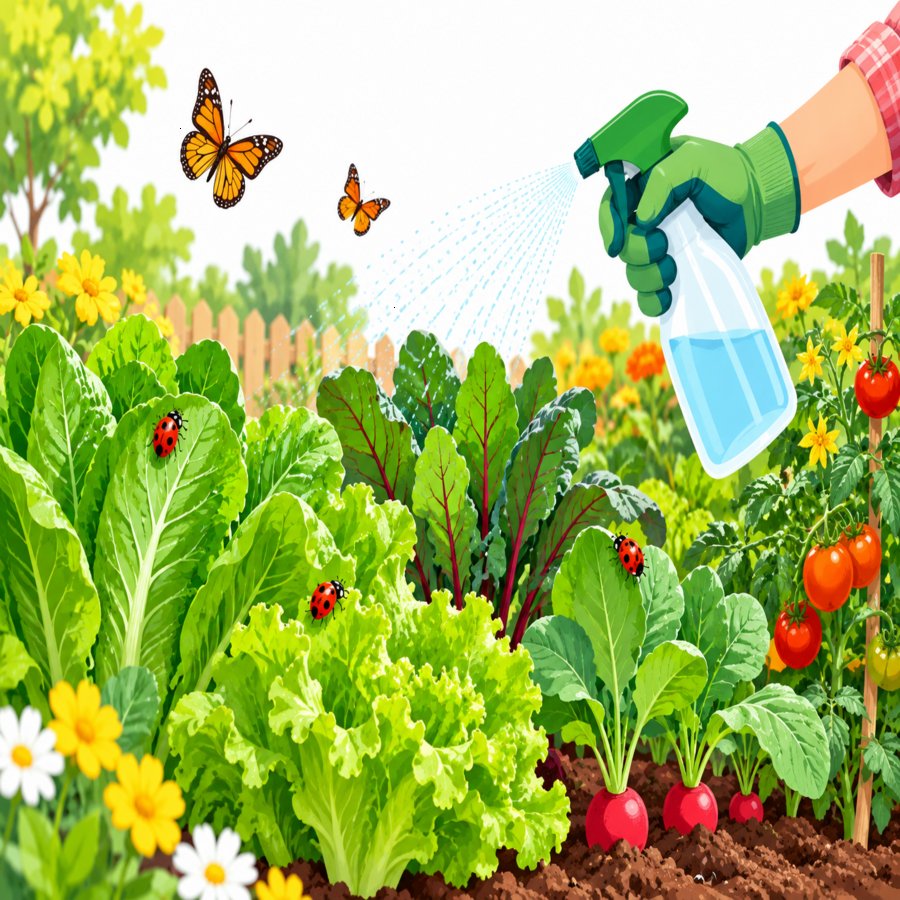
When prevention is not enough and pests have already arrived, a proper neem oil spray application is your next line of defense. Neem oil is derived from the seeds of the neem tree and disrupts the hormonal systems of soft-bodied insects like aphids, mites, and mealybugs.
To mix an effective spray, combine two teaspoons of cold-pressed neem oil with one teaspoon of mild liquid soap per quart of warm water. The soap acts as an emulsifier, helping the oil cling to leaf surfaces instead of beading off.
Timing matters just as much as the mixture itself. Apply your spray in the early morning or late evening to avoid leaf scorch and to reduce the risk of harming bees, which are far less active during those cooler hours.
Always do a spot test on a single leaf 24 hours before full application, since some sensitive seedlings can react poorly to oil-based treatments. Reapply every seven to fourteen days during active infestations, and always coat the undersides of leaves where pests love to hide.
Method Three: Inviting Beneficial Garden Insects
Nothing beats having a standing army that works for free. Attracting beneficial garden insects is one of the smartest long-term investments you can make in pest management.
Ladybugs alone can devour up to fifty aphids a day, while lacewing larvae feast on mites, thrips, and small caterpillars. Parasitic wasps, though tiny and harmless to humans, lay their eggs inside caterpillars and beetle grubs, eliminating pests from the inside out.
To draw these allies into your garden, plant flat-topped flowers like yarrow, dill, and fennel, which give small predatory insects an easy landing pad and a source of nectar when prey is scarce.
Avoid broad-spectrum pesticides entirely if you want these insects to stick around, since even organic sprays can harm beneficial populations if used carelessly or too frequently.
Method Four: Physical Barriers and Trap Crops
Sometimes the simplest solution is a physical one. Floating row covers made of lightweight fabric can block cabbage moths, flea beetles, and squash vine borers from ever reaching your plants in the first place.
Copper tape wrapped around raised bed edges delivers a mild static shock to slugs and snails, stopping them before they climb aboard. Diatomaceous earth, sprinkled in a thin ring around seedlings, works similarly by puncturing the exoskeletons of crawling insects.
Trap crops like radishes or mustard greens can also be planted a short distance from your main beds to intentionally lure pests away, giving you an easy target zone to monitor and treat.
These barrier-based natural pest control methods require almost no maintenance once installed, making them ideal for gardeners who want set-it-and-forget-it protection throughout the growing season.
Method Five: Healthy Soil as Your First Line of Defense
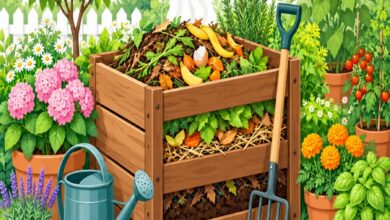
Pests are opportunists, and they tend to target weak, stressed plants first. Building rich, well-draining soil through composting and crop rotation strengthens plant immunity from the roots up.
Earthworms, mycorrhizal fungi, and compost all contribute to a soil structure that delivers steady nutrients, helping plants develop thicker cell walls that are harder for chewing insects to penetrate.
According to the Royal Horticultural Society, maintaining biodiversity in garden soil is one of the most reliable ways to reduce reliance on any form of pesticide, organic or otherwise.
Rotating your crops each season also prevents pests from establishing permanent colonies in the same soil, since many overwinter as eggs or larvae right where their favorite host plant grew the year before.
Combining Natural Pest Control Methods for Maximum Results
No single tactic works in isolation forever. The real power comes from layering these five strategies into one cohesive defense system tailored to your specific garden.
Start your season with a solid companion planting guide layout, build healthy soil through composting, and install physical barriers around your most vulnerable seedlings. Keep a neem oil spray application on hand for emergency outbreaks, and let beneficial garden insects handle ongoing maintenance.
Consistency is key , so walk your garden beds every few days to catch early warning signs like curled leaves, sticky honeydew residue, or small chew marks before infestations spiral out of control.
If you are also looking to repurpose indoor furniture for seed-starting stations or garden tool storage, check out these clever IKEA Billy bookcase hacks for organizing garden supplies that make small-space gardening far more efficient.
Common Mistakes to Avoid With Organic Pest Control
Even well-intentioned gardeners sometimes undermine their own efforts. Overwatering, for example, creates the damp conditions that slugs, fungus gnats, and root rot pathogens love.
Overusing even organic sprays can harm beneficial garden insects, so always treat spot infestations rather than blanket-spraying your entire bed as a preventative habit.
Another frequent error is planting the same crops in identical spots year after year, which allows pest populations to build up undisturbed in the surrounding soil.
Finally, do not ignore the weather. Heavy rain right after a neem oil spray application washes away its effectiveness, so always check the forecast and reapply once leaves have fully dried.
Final Thoughts on Protecting Your Organic Garden Beds
Protecting your organic garden beds does not require a shed full of chemicals or a complicated spray schedule. With patience and the right combination of techniques, nature provides everything you need.
By embracing companion planting, welcoming beneficial garden insects, applying neem oil spray application correctly, installing simple barriers, and nurturing your soil, you create a resilient ecosystem that largely defends itself.
Start small , observe what works in your unique microclimate, and adjust your approach each season. Over time, these natural pest control methods will transform your garden into a thriving, low-maintenance sanctuary for both plants and pollinators alike.