Your hardwood floors are one of the most beautiful and valuable features of your home, but they are also deceptively fragile. Most homeowners unknowingly commit serious hardwood flooring cleaning mistakes every single week, slowly stripping away the protective finish that keeps those boards looking rich and lustrous. What feels like a thorough, satisfying deep clean is often doing far more harm than good beneath the surface.
In this comprehensive guide, we are breaking down the eight most damaging habits that quietly ruin delicate wood finishes, along with the professional-grade fixes that will restore your confidence in your cleaning routine. By the end, you will know exactly how to protect your investment for decades to come.
Essential Guide to hardwood flooring cleaning mistakes
Mistake #1: Drenching Your Floors With Excess Water
The single most common and costly of all hardwood flooring cleaning mistakes is using far too much liquid during mopping. Wood is naturally porous, and standing moisture will seep into the seams between boards within minutes.
Excess water damage is the leading cause of cupping, warping, and those unsightly gray-black stains that signal rot beneath the surface. Once moisture penetrates the wood fibers, it swells them from the inside out, and no amount of surface polishing can reverse that structural harm.
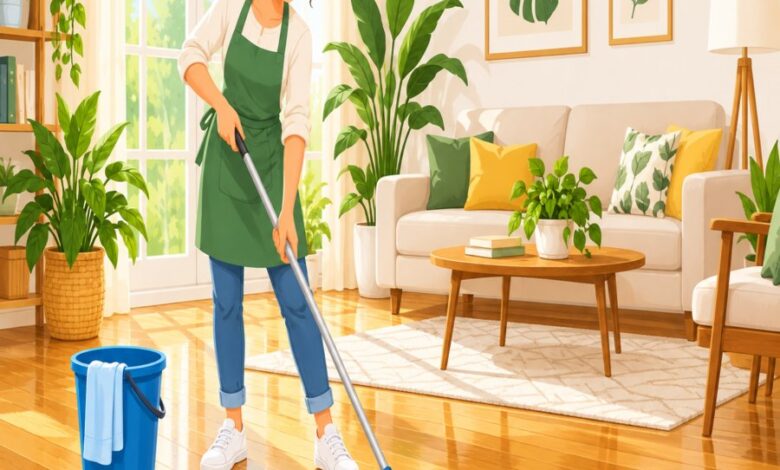
The fix is simple: always wring your mop until it is barely damp, almost dry to the touch. A properly cleaned hardwood floor should appear dull-wet for only a few seconds before drying completely within a minute or two.
Mistake #2: Choosing the Wrong Cleaning Solution
Reaching for whatever all-purpose spray is under the sink is a recipe for disaster on finished wood. Ammonia-based glass cleaners, vinegar solutions, and oil soaps marketed for “shine” often leave behind a hazy, sticky film that attracts dirt faster than before.
Acidic cleaners like vinegar slowly eat away at polyurethane finishes over repeated use, dulling the protective topcoat. The safest choice is always a pH neutral floor cleaner specifically formulated for sealed hardwood, as it lifts grime without chemically reacting with the finish.
Look for products labeled explicitly for engineered or solid hardwood, and always do a small test patch in an inconspicuous corner before treating the entire room.
Mistake #3: Skipping Regular Dry Debris Removal
Many homeowners jump straight to wet mopping without first clearing away grit, sand, and pet hair. This is one of the more overlooked hardwood flooring cleaning mistakes because the damage happens silently underfoot.
Tiny grit particles act like sandpaper every time they are ground into the floor by foot traffic or a wet mop head. Over months, this creates a network of micro-scratches that dull the finish and make the entire floor look tired.
Always vacuum with a hard-floor attachment or dry-sweep with a microfiber dust mop before introducing any liquid. This two-step approach is non-negotiable for anyone serious about preserving their floor’s finish.
Mistake #4: Using a Steam Mop on Sealed Wood
Steam mops have become wildly popular for tile and vinyl, but they are genuinely dangerous for hardwood. The combination of intense heat and moisture forces water vapor directly into the wood grain, bypassing the finish’s protective barrier entirely.
This is a textbook case of excess water damage happening in fast motion, sometimes causing visible warping after just a handful of uses. Manufacturers of nearly every reputable hardwood brand explicitly void their warranties if steam cleaning is detected.
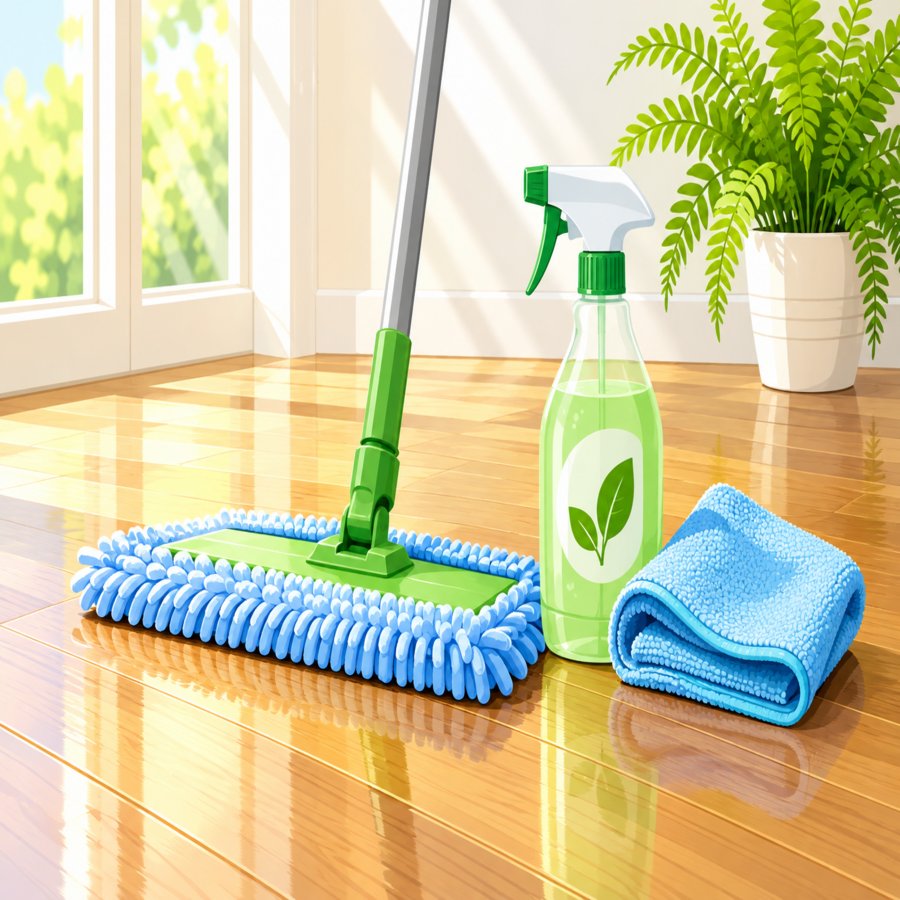
Stick with traditional damp-mopping methods using a well-wrung microfiber head instead, which gives you control over moisture levels that steam simply cannot offer.
Mistake #5: Neglecting Proper Microfiber Mop Care
A microfiber mop is only as effective as the condition of its pad. Poor microfiber mop care means tiny trapped grit particles and old detergent residue get reapplied to your floor with every single pass.
Microfiber fibers also lose their electrostatic charge and absorbency when washed with fabric softener, which coats the strands and reduces their ability to grab dust. Always wash mop heads separately in cold water with a small amount of mild detergent, and skip the dryer sheet entirely.
Replace pads every few months, or sooner if you notice the fibers flattening or fraying. A fresh, well-maintained microfiber head is one of the cheapest upgrades you can make to protect your finish long term.
Mistake #6: Ignoring Spills and Pet Accidents Immediately
Letting a spilled glass of water, juice, or a pet accident sit “just for a few minutes” is a habit worth breaking immediately. Hardwood finishes are water-resistant, not waterproof, and prolonged contact with liquid will eventually find its way through seams and nail holes.
Pet urine is particularly corrosive because its acidity actively breaks down polyurethane coatings faster than plain water. Keep a dry microfiber cloth within reach in high-traffic rooms so you can blot any spill within seconds rather than minutes.
If you have pets or young children, consider placing washable rugs near entryways and water bowls as an extra layer of protection against excess water damage.
Mistake #7: Scrubbing Stains With Abrasive Tools
When a stubborn stain or dried food residue refuses to budge, the instinct to grab a scouring pad or steel wool is understandable but misguided. These abrasive tools physically scratch through the clear finish layer, exposing raw wood underneath.
Once that protective layer is breached, moisture and dirt can penetrate far more easily, accelerating wear in that exact spot. Instead, soften stubborn residue with a slightly damp microfiber cloth and a dab of pH neutral floor cleaner, letting it sit for a minute before gently wiping.
Patience always outperforms force when it comes to delicate finishes, and a soft touch will save you from costly refinishing bills later.
Mistake #8: Overlooking Furniture Pads and Humidity Control
Deep cleaning isn’t only about mops and sprays; it also involves the everyday friction your floor endures. Dragging furniture without felt pads grinds dirt into the finish and leaves permanent gouges that no cleaning product can fix.
Indoor humidity swings are equally damaging, since wood naturally expands and contracts with moisture in the air. Maintaining relative humidity between 35 and 55 percent, as recommended by flooring experts, helps prevent gapping in winter and swelling in summer.
For more creative ways to protect and beautify your home’s wood surfaces beyond the floor, check out these clever faux beam ceiling design ideas that bring the same warm, natural character to your ceilings.
For further guidance on seasonal home maintenance and humidity management, the Old Farmer’s Almanac offers excellent region-specific advice worth bookmarking.
Building a Sustainable Weekly Cleaning Routine
Avoiding these hardwood flooring cleaning mistakes is far easier when you follow a consistent, low-effort routine rather than reactive deep cleans. Start with daily dry dust-mopping in high-traffic zones like entryways and kitchens.
Weekly: Lightly damp-mop with a pH neutral floor cleaner and a properly maintained microfiber pad.
Monthly: Check felt pads under furniture and inspect baseboards for any signs of moisture creeping in.
Seasonally: Apply a manufacturer-approved refresher coat if your finish is starting to look dull, rather than waiting for full refinishing.
Consistency beats intensity every time with wood floors. A gentle, frequent routine will always outperform an occasional aggressive scrub-down that risks finish damage.
Final Thoughts on Protecting Your Hardwood Investment
Hardwood floors reward careful owners with decades of warmth and beauty, but they are unforgiving toward neglect and the wrong techniques. Recognizing and correcting these common hardwood flooring cleaning mistakes today will save you thousands in refinishing costs down the road.
Remember the core principles: minimal moisture, the right pH neutral floor cleaner, diligent microfiber mop care, and swift attention to spills before excess water damage sets in. With these habits in place, your floors will remain a stunning centerpiece of your home for generations.
Small, mindful adjustments to your weekly routine truly make all the difference between a floor that fades and one that flourishes.