

Your patio looked gorgeous the day you unrolled that new outdoor rug, but a few months later, dark spots and musty odors tell a different story. These are classic outdoor rug maintenance blunders, and they are far more common — and far more dangerous — than most homeowners realize. Beneath that stylish weave, moisture, trapped debris, and poor airflow can quietly feed toxic concrete mold that spreads into your patio, your furniture, and even your health. Today we are breaking down the ten most devastating mistakes homeowners make, and exactly how to fix them before they ruin your outdoor living space.
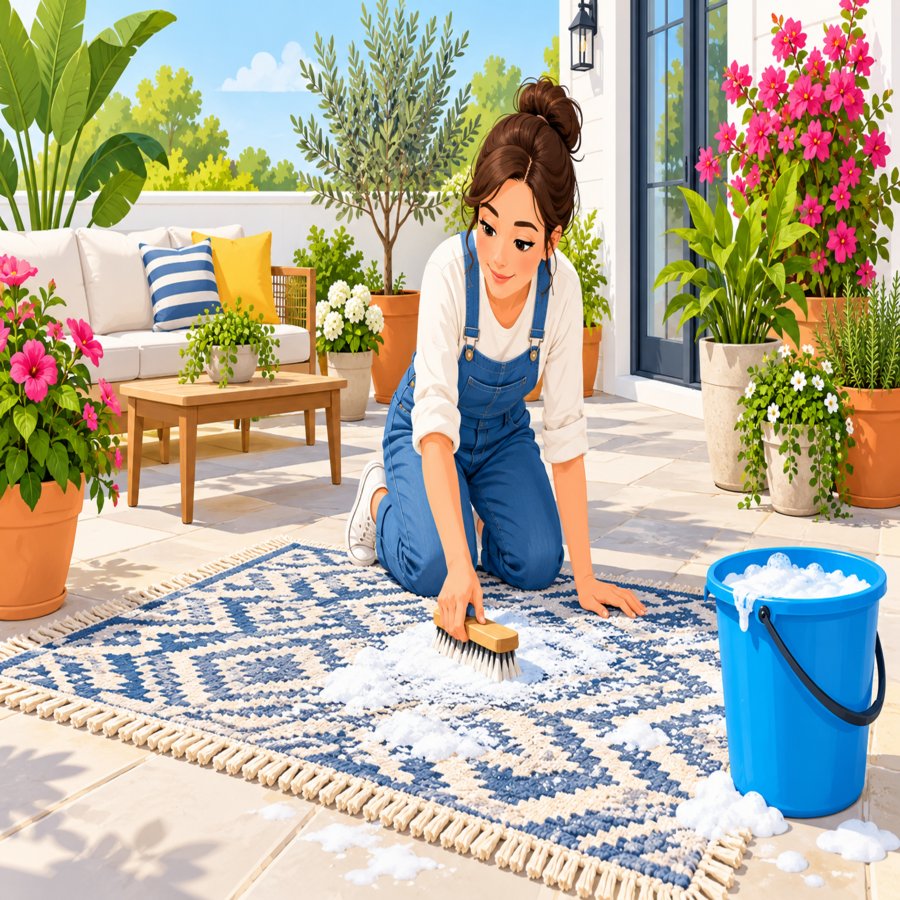
Outdoor rugs are supposed to make patio life easier, not harder. Unfortunately, the wrong care routine turns a beautiful accessory into a breeding ground for mildew and mold spores. Understanding where things go wrong is the first step toward a cleaner, safer, and longer-lasting outdoor space.
Why Outdoor Rug Maintenance Blunders Lead to Toxic Mold
Concrete is porous by nature, which means it absorbs moisture trapped beneath a rug and holds onto it far longer than you would expect. When that dampness has nowhere to escape, mold spores find the perfect breeding ground.
Most outdoor rug maintenance blunders start with a simple misunderstanding: people treat outdoor rugs like indoor ones, cleaning them occasionally and assuming the elements will take care of the rest. In reality, rain, humidity, and sprinkler overspray constantly feed moisture into the fibers and the concrete below.
Over time, this creates a layer of biofilm between the rug and the slab that is nearly invisible until it darkens the surface or triggers a musty smell. By then, mold has often penetrated the concrete’s top layer, making remediation far more labor-intensive.
The Top 10 Outdoor Rug Maintenance Blunders to Avoid
1. Leaving the rug down after heavy rain. Letting a soaked rug sit flat on concrete for days is one of the fastest ways to trap moisture and invite mildew growth underneath.
2. Choosing the wrong rug material. Dense, non-breathable fibers hold water far longer than open-weave alternatives, which is why upgrading to breathable polypropylene rugs makes such a dramatic difference in airflow and drying time.
3. Skipping regular flipping and airing. Rugs that never get lifted or flipped develop a permanently damp underside, which accelerates concrete staining and mold colonization.
4. Ignoring drainage slope issues. If your patio slab doesn’t slope away from the house, water pools beneath the rug every time it rains, regardless of how well you maintain the rug itself.
5. Using harsh bleach as a default cleaner. While bleach kills surface mold, it can degrade rug fibers and strip protective coatings, leaving the material more vulnerable to future staining.
6. Storing a damp rug for winter. Rolling up and bagging a rug that isn’t fully dry is a guaranteed recipe for a mold-covered surprise come spring.
7. Neglecting the concrete underneath. Many homeowners clean the rug but never scrub or seal the slab beneath it, allowing spores to persist in the concrete pores.
8. Placing rugs in deep shade with poor airflow. Shady, stagnant corners of a patio stay damp far longer than sun-exposed areas, compounding moisture problems.
9. Overlooking pet and plant spills. Organic matter like soil, leaves, and pet accidents feed mold colonies far faster than plain rainwater alone.
10. Waiting too long between deep cleanings. Surface sweeping is not enough; without periodic deep cleaning, embedded spores multiply unnoticed until the damage is extensive.
Each of these outdoor rug maintenance blunders seems minor on its own, but combined, they create the perfect storm for toxic concrete mold to take hold and spread.
Patio Mold Prevention Starts With the Right Habits
Effective patio mold prevention isn’t about one big cleaning session; it’s about small, consistent habits woven into your weekly routine.
Shake and sweep weekly. Removing loose dirt and leaves before they decompose prevents organic buildup that mold feeds on.
Lift the rug monthly. Check the concrete underneath for discoloration or a musty smell, and let both surfaces dry fully in direct sunlight.
Use rug grips with ventilation gaps. Certain pads elevate the rug slightly, allowing air to circulate underneath instead of trapping humidity against the slab.
According to the Royal Horticultural Society, consistent airflow and moisture control around outdoor surfaces are among the most effective, low-cost strategies for preventing fungal growth in garden and patio settings.
If your patio sits beneath a covered porch or pergola, it’s worth evaluating the structure above as well. Homeowners upgrading overhead features often explore creative faux beam ceiling hacks for outdoor living spaces that improve both airflow and aesthetic appeal while reducing shaded, stagnant pockets where moisture lingers.
Why Breathable Polypropylene Rugs Are a Game Changer
Not all outdoor rugs are created equal, and material choice is often the single biggest factor in long-term mold resistance.
Breathable polypropylene rugs are woven with an open structure that allows water vapor to pass through rather than pooling against the concrete. This single design feature can cut drying time by more than half compared to dense, tightly woven alternatives.
Polypropylene fibers also resist water absorption at the material level, meaning the rug itself doesn’t become saturated the way natural fiber rugs do. Combined with proper drainage and regular flipping, this material choice dramatically reduces the risk of hidden mold colonies.
When shopping for a replacement rug, look for labels specifying UV-stabilized, mold-resistant polypropylene weaves. These are specifically engineered for high-humidity climates and frequent rain exposure.
The Right Way to Approach Cleaning Outdoor Carpets
Proper cleaning outdoor carpets requires a different approach than vacuuming an indoor area rug, since you’re fighting both surface dirt and embedded moisture.
Step one: shake it out. Remove the rug from the patio entirely and shake off loose debris before any wet cleaning begins.
Step two: pre-treat stains. A mild mixture of dish soap and warm water applied with a soft brush lifts most organic stains without damaging fibers.
Step three: rinse thoroughly. A garden hose on a gentle setting removes soap residue that would otherwise attract dirt and feed mold if left behind.
Step four: dry vertically. Hanging the rug over a railing or sawhorse allows air to reach both sides simultaneously, cutting drying time significantly compared to leaving it flat on the ground.
For particularly stubborn mildew, a diluted white vinegar solution works as a natural, fiber-safe alternative to bleach. Vinegar’s mild acidity breaks down mold proteins without stripping the rug’s protective finish.
The Old Farmer’s Almanac notes that natural acidic solutions have long been used as effective, environmentally friendly alternatives for outdoor mold and mildew control around the home.
Spotting the Early Signs of Toxic Concrete Mold
Catching concrete mold early saves you from a much bigger remediation project later. Watch for these warning signals.
Dark, irregular blotches. Unlike simple dirt stains, mold patches often have a blotchy, spreading edge and darken over time.
A persistent musty odor. If the smell lingers even after the rug is removed and the area appears dry, mold spores have likely settled into the concrete itself.
A slightly slick or powdery texture. Running a gloved hand over the slab and feeling unexpected residue is a strong sign of active fungal growth.
If you spot any of these signs, pull the rug immediately, scrub the concrete with a diluted oxygen bleach solution, and allow several days of full sun exposure before replacing anything on top of it.
Building a Seasonal Maintenance Routine
The most reliable way to avoid repeating these mistakes is to build mold prevention into your seasonal calendar rather than treating it as an afterthought.
Spring: Deep clean the rug and inspect the concrete slab for any mold left over from winter storage or snow melt.
Summer: Focus on weekly shaking and monthly flipping, since heat and humidity accelerate both drying and mold growth simultaneously.
Fall: Clear fallen leaves promptly, as decomposing organic matter is one of the fastest mold accelerants on a patio surface.
Winter: Store the rug only when it is completely dry, rolled loosely in a breathable bag, and kept in a space with stable humidity.
Committing to this rhythm transforms outdoor rug care from a reactive chore into a proactive habit, and it is the single most effective defense against recurring outdoor rug maintenance blunders.
Final Thoughts on Avoiding Outdoor Rug Maintenance Blunders
A beautiful patio rug should enhance your outdoor living space, not become a hidden source of toxic mold creeping into your concrete.
By choosing breathable materials, sticking to a seasonal cleaning schedule, and addressing drainage issues early, you eliminate nearly all of the outdoor rug maintenance blunders that lead to serious mold problems.
Your patio deserves the same thoughtful care you give the rest of your home, and a little consistency now saves you from costly concrete remediation down the road.