
Common Battery-Powered String Trimmer Blunders That Kill Your Motor
If your once-reliable yard tool suddenly feels sluggish, hot, or silent after a few short seasons, you are not alone. Battery-powered string trimmer blunders are among the most common and most avoidable mistakes homeowners make when maintaining their outdoor power equipment.
Most trimmer owners assume a dead motor simply means a worn-out tool that needs replacing. In reality, a burned-out motor is almost always the end result of a chain of small, preventable habits.
In this guide, we will walk through exactly how these failures happen, how to spot the warning signs early, and how to keep your cordless trimmer humming for years instead of months.
Why String Trimmer Motor Burn Happens So Often
String trimmer motor burn is rarely the result of one single catastrophic event. It is almost always cumulative heat stress. Electric motors generate heat every time they spin, and when that heat has nowhere to escape, the copper windings inside eventually degrade and short out.
Dense, overgrown grass forces the motor to work far harder than it was designed for. Pushing the trimmer head through thick weeds instead of gradually tapering the growth is one of the fastest ways to overheat the internal windings.
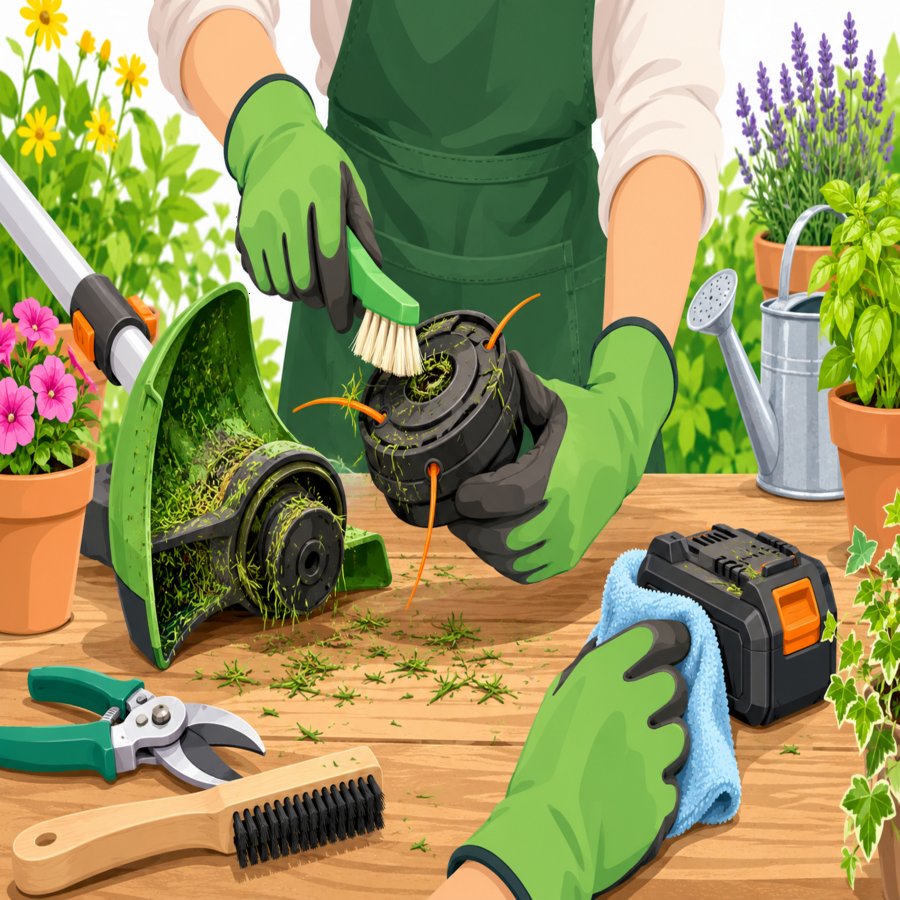
Clogged air vents are another silent killer. Grass clippings, dirt, and debris build up around the motor housing over time, trapping heat with nowhere to vent. A five-minute cleaning after every use prevents this entirely.
Running the trimmer continuously without rest periods also contributes heavily to string trimmer motor burn. Even high-quality motors need brief cooldown windows during extended trimming sessions, especially in hot summer weather.
The Top Battery-Powered String Trimmer Blunders Homeowners Make
Let’s break down the specific habits that lead to premature motor failure. Recognizing these battery-powered string trimmer blunders in your own routine is the first step toward correcting them.
Blunder One: Forcing the Trimmer Through Overgrown Areas. If your lawn has gone weeks without trimming, do not attack it all at once. Make multiple light passes instead of one aggressive sweep that stalls the motor repeatedly.
Blunder Two: Using the Wrong Line Diameter. Thicker line than your trimmer is rated for puts extra rotational load on the motor shaft, drawing more current and generating more heat than the unit was engineered to handle.
Blunder Three: Ignoring Stall Warnings. When the head bogs down in heavy growth, many users just keep pulling the trigger, hoping it pushes through. This repeated stalling is one of the single biggest causes of string trimmer motor burn.
Blunder Four: Charging Habits That Stress the System. Letting batteries sit at full charge in direct sun, or charging immediately after a hot trimming session, shortens battery life and indirectly strains the motor through inconsistent power delivery.
Avoiding these battery-powered string trimmer blunders takes very little extra effort, but it dramatically extends the usable life of your equipment.
Mastering Cordless Weed Eater Line Feed
Improper cordless weed eater line feed is a sneaky contributor to motor strain that most people never connect to performance problems. When the line feeds out unevenly or jams inside the spool, the motor has to compensate with extra torque.
Check your spool tension regularly. A line that is wound too tightly resists feeding smoothly, forcing the bump-feed mechanism to fight against itself every time you tap it on the ground.
Tangled or crossed line inside the housing is another frequent issue. Always wind replacement line in the direction indicated on the spool, and avoid overfilling, which creates friction and feed resistance.
Automatic feed systems can also malfunction if debris builds up around the feed mechanism. A quick brush-out of the spool housing every few uses keeps the line moving freely and keeps unnecessary load off the motor.
Poor line feed habits are frequently overlooked, yet they rank among the most underrated battery-powered string trimmer blunders affecting everyday users.
Electric Lawn Edger Maintenance and Cross-Tool Care
Many homeowners own a string trimmer alongside a companion edging tool, and the same neglectful habits that burn out trimmer motors tend to show up in both machines. Electric lawn edger maintenance deserves just as much attention as your trimmer care routine.
Keep the edger blade clean and properly tightened, since a loose or dull blade forces the motor to compensate with extra rotational force, generating the same kind of heat buildup seen in trimmers.
Store both tools in a dry, temperature-stable space. Extreme heat or cold affects battery chemistry and motor lubrication alike, shortening the lifespan of your entire cordless lawn care collection.
Just as organizing indoor spaces extends the life of furniture and belongings, the same principle of thoughtful, consistent care applies outdoors. In fact, if you enjoy practical organization projects, you might appreciate these clever storage solutions for keeping garden tools and supplies tidy in your garage or shed, which indirectly protects your equipment from moisture and dust damage.
Battery Care Habits That Prevent Costly Motor Damage
Your trimmer’s battery and motor work as a team, and poor battery habits often translate directly into motor stress. Understanding this relationship helps you avoid further battery-powered string trimmer blunders down the road.
Avoid letting batteries fully discharge. Running a battery down to zero repeatedly degrades its internal cells, which can cause voltage inconsistencies that force the motor to draw power unevenly.
Store batteries at room temperature. Leaving a battery pack in a hot garage or a freezing shed accelerates chemical breakdown, reducing the clean, stable power delivery your motor depends on.
Use the manufacturer’s charger only. Off-brand chargers can deliver inconsistent voltage, which places unnecessary strain on the motor the next time the tool is used.
According to gardening experts at the Royal Horticultural Society, maintaining garden power tools properly not only extends their working life but also improves the overall health and appearance of your lawn by ensuring clean, consistent cuts.
Spotting Early Warning Signs Before the Motor Fails
Catching trouble early can save you from a full motor replacement. Pay attention to these warning signs the next time you take your trimmer out for a trim.
Unusual heat near the motor housing. If the body of the trimmer feels noticeably hot to the touch after only a few minutes of use, the motor is already working harder than it should.
A burning or plastic-like smell. This is one of the clearest signs of string trimmer motor burn in progress, and it means you should stop using the tool immediately.
Noticeable loss of power or speed. A trimmer that used to cut effortlessly but now struggles with normal grass is telling you the motor’s performance is declining.
Intermittent cutting or stuttering operation. Inconsistent power delivery often signals internal wiring damage that will worsen quickly if ignored.
Addressing these symptoms the moment you notice them is the most effective way to prevent small battery-powered string trimmer blunders from turning into an expensive repair or replacement.
A Seasonal Maintenance Routine That Protects Your Investment
Building a simple seasonal routine keeps your trimmer, edger, and other cordless yard tools running smoothly all year long.
Spring startup check. Inspect the line feed mechanism, clean out any winter debris, and test the battery’s charge capacity before the first big mow of the season.
Midsummer deep clean. This is peak trimming season, so wipe down the motor housing weekly and check for grass packed around the vents after heavy use.
Fall wind-down. Remove any remaining line, clean the spool housing thoroughly, and store the battery at a partial charge rather than completely full or empty.
Winter storage. Keep the tool in a climate-stable area away from moisture, and give it one final inspection before putting it away until spring.
Following this cycle year after year is the single best defense against recurring battery-powered string trimmer blunders and keeps your entire outdoor power lineup performing like new.
Final Thoughts on Avoiding Motor Burnout for Good
A burned-out trimmer motor rarely happens overnight. It is the slow result of overworking the tool, neglecting airflow, mishandling the line feed, and skipping basic maintenance.
By correcting even a few of the habits outlined here, you can add years to your trimmer’s working life and avoid the frustration of replacing equipment far sooner than necessary.
A little consistency goes a long way, and your lawn, your wallet, and your weekends will all thank you for it.