
Why Gas vs Charcoal Grill Mistakes Wreck a Perfect Reverse Sear
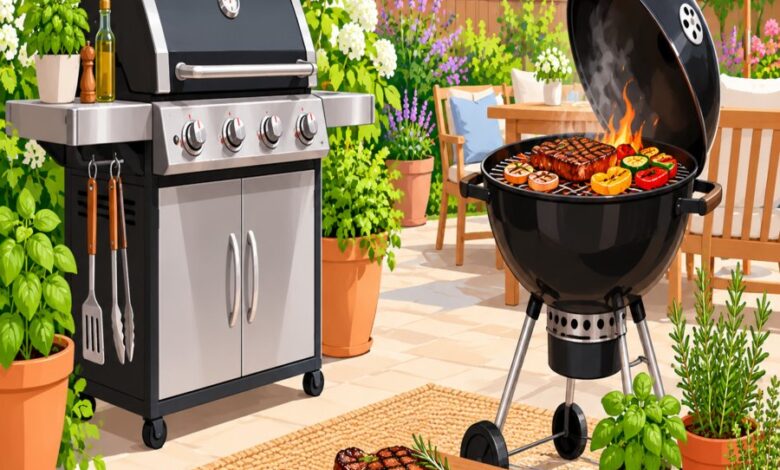
Nothing derails a weekend cookout faster than a thick, beautiful steak that comes off the grill gray, tough, or unevenly cooked. More often than not, the culprit boils down to a handful of common gas vs charcoal grill mistakes that even experienced backyard cooks make without realizing it.
The reverse sear method, which gently cooks meat at a low temperature before finishing with a hot, fast sear, is supposed to be foolproof. Yet small missteps in fuel choice, heat zones, and timing can turn this technique into a frustrating guessing game.
In this guide, we’re breaking down the seven most damaging errors home grillers make, why reverse sear steak errors happen in the first place, and exactly how to fix your setup whether you’re running gas or charcoal. By the end, you’ll understand your grill’s personality well enough to never second-guess a cook again.
Mistake One: Misunderstanding Direct Heat vs Indirect Smoking Zones
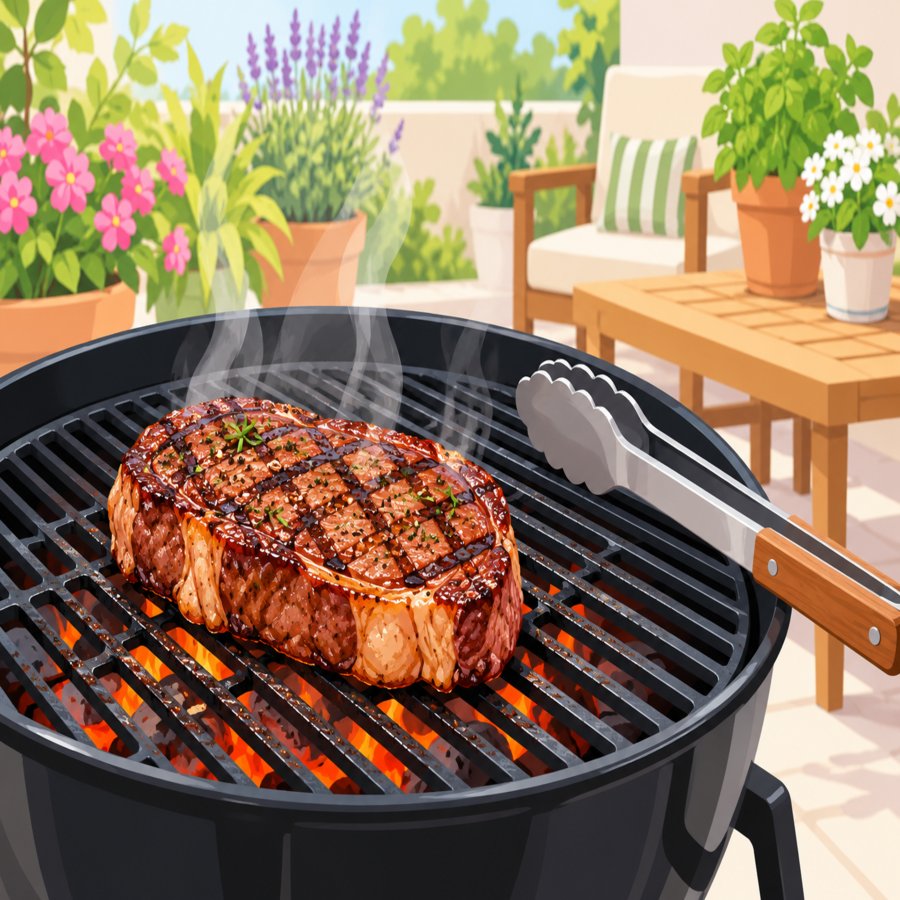
The entire reverse sear technique hinges on properly separating your cooking zones, and confusing direct heat vs indirect smoking areas is one of the most common gas vs charcoal grill mistakes beginners make.
On a charcoal grill, this means banking your coals to one side and leaving the other side completely empty for the slow-roasting phase. On a gas grill, it means lighting only one or two burners and leaving the rest off entirely.
Why this matters: Without a true indirect zone, your steak never gets the gentle, even cook needed before searing. It either scorches too early or cooks unevenly from edge to center, leaving you with a bullseye of gray meat instead of a consistent medium-rare.
Charcoal grills naturally excel at creating dramatic temperature differences between zones because the coals themselves radiate heat outward. Gas grills require more intentional burner management since the flame is contained directly beneath the grates.
Mistake Two: Ignoring Cast Iron Grate Heat Retention
Grate material makes a bigger difference than most people assume, and poor cast iron grate heat retention management is responsible for plenty of lackluster sears.
Cast iron grates hold and radiate heat far longer than thin stainless steel bars. This means they take longer to preheat but deliver a much deeper, more consistent crust once they’re ready.
Many home cooks rush the preheat stage, slapping a steak onto grates that look hot but haven’t actually reached searing temperature throughout the metal. The result is a pale, steamed surface rather than that coveted Maillard-browned crust.
Give cast iron grates a full 10 to 15 minutes of direct exposure to high heat before searing. If you’re working with standard steel grates, compensate by letting your fire burn slightly hotter and searing for a few extra seconds per side.
Mistake Three: Rushing the Low and Slow Phase
The whole point of reverse searing is patience during the initial roasting stage, yet impatience is one of the most frequent reverse sear steak errors grillers commit.
Cranking the indirect zone too hot in an effort to “speed things along” cooks the exterior faster than the interior, defeating the entire purpose of the technique. You want the indirect side sitting around 225 to 250 degrees Fahrenheit, no higher.
Use a reliable instant-read thermometer and pull the steak once it hits about 10 to 15 degrees below your target final temperature, since it will continue climbing during the rest and sear stages.
According to The Old Farmer’s Almanac, understanding how ambient temperature and wind affect outdoor cooking times can help you adjust your grill’s vents or burners accordingly for more consistent results.
Mistake Four: Skipping the Rest Before Searing
Pulling your steak off the indirect zone and immediately slapping it onto the hot side without a brief rest is a small but costly error.
Letting the meat sit for five minutes allows the surface moisture to evaporate slightly and the internal juices to redistribute. A drier surface sears far more effectively than a damp one, since excess moisture steams the meat instead of browning it.
Pro tip: Pat the steak dry with a paper towel right before it hits the hot zone, even after resting. This extra step dramatically improves crust formation on both gas and charcoal setups.
Mistake Five: Using the Wrong Fuel Strategy for Your Grill Type
Not all gas vs charcoal grill mistakes are about technique. Some stem from fundamentally misunderstanding what each fuel source does best.
Charcoal delivers higher maximum temperatures and that distinctive smoky flavor, making it ideal for achieving a deeply caramelized crust. However, it requires more setup time and careful airflow management through vents to control heat.
Gas grills offer convenience and precise, instant temperature control, but many models struggle to reach the blistering heat needed for a true steakhouse-quality sear. Investing in a cast iron or stainless searing station solves this limitation.
Trying to force charcoal-style results from a gas grill without the right accessories, or expecting gas-level precision from charcoal without practice, sets you up for disappointment. Match your expectations and techniques to your actual equipment.
Mistake Six: Flipping Too Often or Not Enough During the Sear
The sear phase is short and unforgiving, which is exactly why timing errors here rank among the most common reverse sear steak errors.
Flipping constantly prevents any single side from developing a proper crust, since each flip resets the browning process. On the other hand, leaving the steak untouched for too long on overly aggressive heat risks burning before the crust fully forms.
The sweet spot is roughly 60 to 90 seconds per side on the hot zone, flipping only once or twice total. Use tongs rather than a fork to avoid piercing the meat and releasing those hard-won juices.
If you’re working with cast iron grates, remember that their superior heat retention means you may need slightly less time per side compared to standard grates to avoid overshooting your target doneness.
Mistake Seven: Neglecting Grill Maintenance Between Cooks
A dirty, neglected grill sabotages even the most carefully executed reverse sear technique. Leftover grease and carbon buildup create hot spots, flare-ups, and off-flavors that ruin an otherwise perfect cook.
Charcoal grills need their ash fully cleared after every use, since trapped ash restricts airflow and makes temperature control unpredictable on future cooks. Gas grills need their burner tubes checked periodically for clogs that cause uneven flame distribution.
Just as neglecting a kitchen countertop leads to premature wear, as detailed in this guide on common epoxy countertop mistakes homeowners should avoid, neglecting your grill’s maintenance routine shortens its lifespan and compromises every meal you cook on it.
Set a habit of brushing grates while they’re still warm and giving your grill a deeper clean monthly. This small investment of time prevents the buildup that causes so many frustrating gas vs charcoal grill mistakes down the line.
Bringing It All Together for a Flawless Reverse Sear
Mastering the reverse sear isn’t about owning expensive equipment. It’s about understanding how your specific grill behaves and respecting the process at every stage.
Whether you prefer the convenience of gas or the deep flavor of charcoal, avoiding these seven gas vs charcoal grill mistakes will transform your results. Pay close attention to your direct heat vs indirect smoking setup, respect cast iron grate heat retention timing, and never rush the resting or searing phases.
With a little practice and the tips outlined above, you’ll consistently produce restaurant-quality steaks right in your own backyard, no matter which fuel source powers your grill.