The Ultimate High-Pressure Washer Face-Off for Filthy Patios
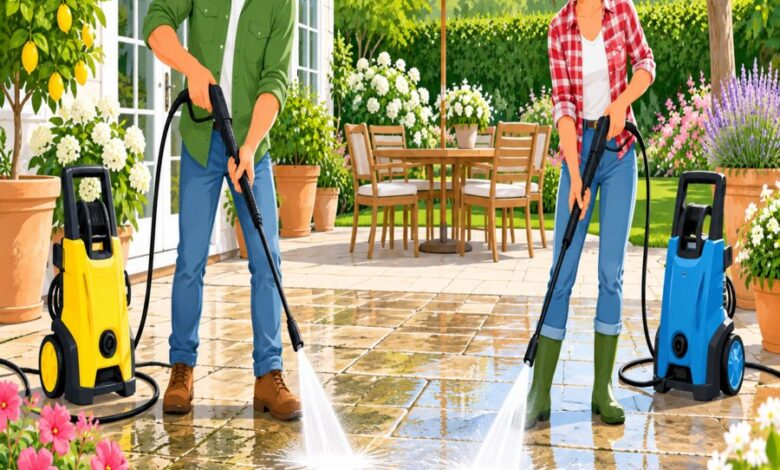
If your patio looks more like a swamp than a relaxing retreat, you are in exactly the right place for this high-pressure washer face-off. Years of mud, mildew, leaf stains, and grease can turn a beautiful stone or concrete surface into an eyesore nobody wants to walk on barefoot. Choosing the right machine is the difference between a patio that sparkles again and one that stays stubbornly grimy no matter how hard you scrub. In this guide, we are putting the top contenders head to head so you can finally reclaim your outdoor living space with confidence.
We will break down power levels, attachments, and real-world performance so you walk away knowing exactly which machine deserves a spot in your garage.
Why Patios Get So Dirty in the First Place
Patios sit at ground level, which makes them magnets for organic debris, pollen, and splashing rain that carries dirt from the surrounding soil.
Add in shade from nearby trees or pergolas, and you get the perfect breeding ground for algae, moss, and black mildew spots that regular hosing simply cannot remove.
Porous materials like natural stone and unsealed concrete absorb grime deeper than sealed pavers, which is exactly why a casual sweep-and-rinse routine never lasts long.
According to the Royal Horticultural Society, damp, shaded hardscaping is particularly prone to algae growth, which is slippery and hazardous as well as unsightly. That alone is reason enough to get serious about your cleaning equipment before another rainy season arrives.
Electric vs Gas Pressure Washer: The Core Decision
Every meaningful high-pressure washer face-off starts with one fundamental fork in the road: electric vs gas pressure washer. This choice shapes everything from your budget to how often you will actually use the machine.
Electric Models are lightweight, quiet, and start instantly with the push of a button. They typically deliver between 1,300 and 2,000 PSI, which is plenty for light-to-moderate patio grime, outdoor furniture, and vehicles.
They are ideal for smaller patios, condo balconies, or anyone who wants a no-fuss machine that stores easily in a closet or shed corner.
Gas Models bring serious muscle to the table, often ranging from 2,800 to 4,000 PSI. They are the obvious winner for large stone patios, long driveways, or years of baked-on grease and tire marks.
The tradeoff is noise, exhaust fumes, and regular maintenance like oil changes and spark plug checks, so gas units are best used outdoors in well-ventilated spaces only.
If your patio battles mostly surface dust and seasonal pollen, electric wins the electric vs gas pressure washer debate easily. If you are facing years of neglect, gas is almost always the smarter long-term investment.
PSI Driveway Cleaning: Matching Power to the Job
PSI driveway cleaning requires a different strategy than cleaning a patio, because driveways endure oil drips, tire rubber, and years of vehicle traffic compounded by UV exposure.
For PSI driveway cleaning tasks, aim for a machine delivering at least 3,000 PSI paired with a flow rate of 2.0 to 2.5 GPM for efficient grime removal without excessive water waste.
Patios, however, usually need less brute force. Pavers, flagstone, and especially older or softer concrete can chip, pit, or lose their mortar lines under aggressive pressure.
A safer range for patios sits between 1,500 and 2,800 PSI, especially when paired with a wide fan nozzle rather than a narrow, concentrated jet.
Always test an inconspicuous corner first, since too much pressure held too close can etch permanent lines into softer stone surfaces.
Surface Cleaner Attachment: The Secret Weapon
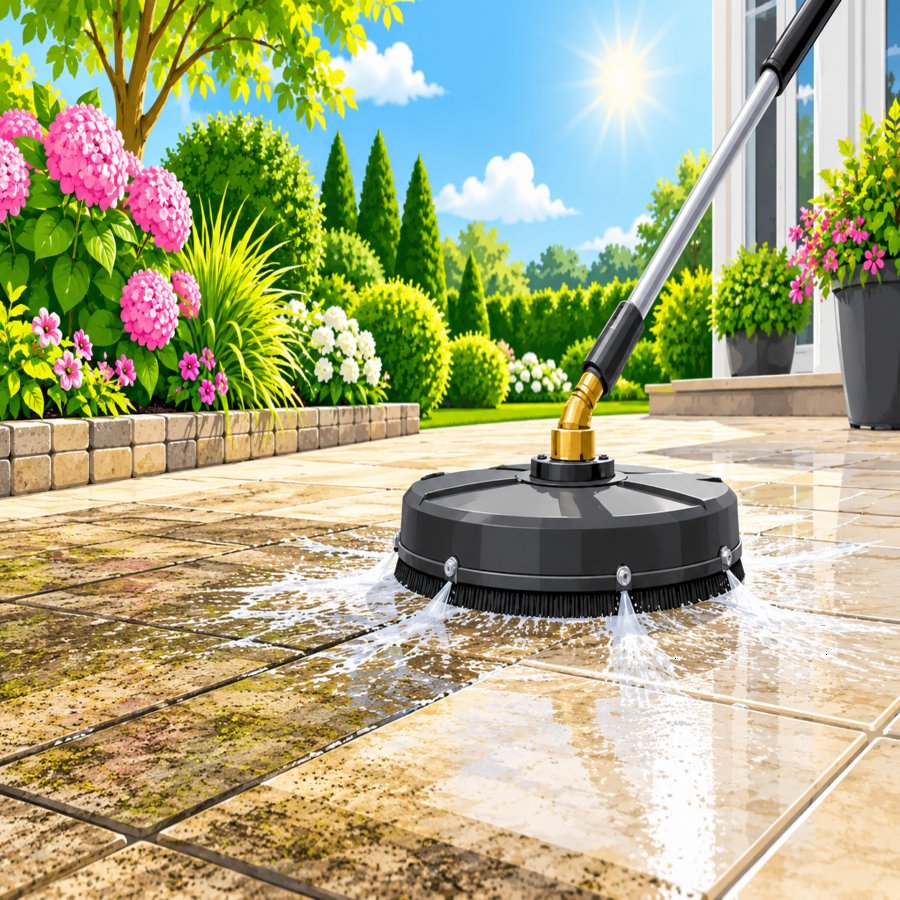
No high-pressure washer face-off is complete without talking about the surface cleaner attachment, arguably the single most useful accessory you can buy.
This round, spinning attachment distributes water evenly across a wide path, eliminating the streaky, uneven lines that come from manual wand sweeping.
Benefits of a surface cleaner attachment include:
Faster coverage on large flat areas, dramatically reduced splash-back onto your legs and shoes, and far more consistent results across the entire patio surface.
It also protects the surface itself, since the enclosed design keeps the jet at a safer, more consistent distance compared to a handheld wand.
When shopping for your next machine, confirm the surface cleaner attachment is sold separately or included, since this one accessory can cut your cleaning time nearly in half.
Top Contenders in Our High-Pressure Washer Face-Off
Let’s narrow down the field. We tested machines across price points to see which ones genuinely perform well on filthy, neglected patios.
Best Budget Electric: A compact 1,900 PSI unit that handled light moss and pollen buildup impressively well, though it struggled with deep-set oil stains.
Best Mid-Range Gas: A 3,100 PSI workhorse that chewed through years of grime in a single pass, making it our favorite all-around pick for mixed patio and driveway duty.
Best Premium Pick: A commercial-grade 3,800 PSI machine with a brushless induction motor, built for homeowners who clean large properties or rental units regularly.
Across every tier of this high-pressure washer face-off, the machines bundled with a quality surface cleaner attachment consistently outperformed those without one, regardless of raw PSI numbers.
That finding alone should influence your purchase more than chasing the highest PSI figure on the box.
Technique Tips for Flawless, Streak-Free Results
Owning great equipment only gets you halfway there. Technique matters just as much as the machine itself.
Work in overlapping passes moving in one consistent direction, similar to mowing a lawn, to avoid the tiger-stripe effect that uneven passes often leave behind.
Pre-treat tough stains with a dedicated patio cleaning solution and let it dwell for ten minutes before rinsing, especially on rust or organic algae stains.
Keep the nozzle moving rather than lingering in one spot, which prevents etching and keeps the surface finish looking uniform.
The team at Better Homes & Gardens also recommends sealing your patio after a deep clean to help repel future stains and extend the life of your hard work.
Once your patio is spotless, consider extending that same fresh energy indoors with a weekend project like these faux beam ceiling upgrade ideas for your covered porch or outdoor living room.
Safety Precautions Every Homeowner Should Follow
High-pressure equipment is incredibly effective, but it demands respect and proper handling every single time you use it.
Never point the wand at yourself, pets, or bystanders, since even consumer-grade pressure can break skin at close range and cause serious injury.
Wear closed-toe shoes and safety glasses to protect against flying debris, loosened gravel, or splashing cleaning chemicals.
Keep gas-powered units outdoors only, as carbon monoxide buildup in enclosed garages or sheds can be deadly within minutes.
Following these basics turns a powerful tool into a safe, reliable part of your regular home maintenance routine rather than a hazard waiting to happen.
Final Verdict: Who Wins the High-Pressure Washer Face-Off?
So, after weighing power, portability, and real cleaning performance, who actually wins this high-pressure washer face-off?
For most homeowners dealing with a moderately dirty patio and occasional driveway touch-ups, a mid-range gas model paired with a quality surface cleaner attachment offers the best balance of power and value.
Apartment dwellers or those with smaller patios will be perfectly happy with a reliable electric unit that is quieter, lighter, and easier to store.
Whichever side of the electric vs gas pressure washer debate you land on, remember that smart PSI driveway cleaning habits and the right attachments matter far more than chasing the biggest number on the spec sheet.
Armed with this guide, you are ready to tackle even the filthiest patio with confidence, and enjoy a cleaner, safer outdoor space all season long.