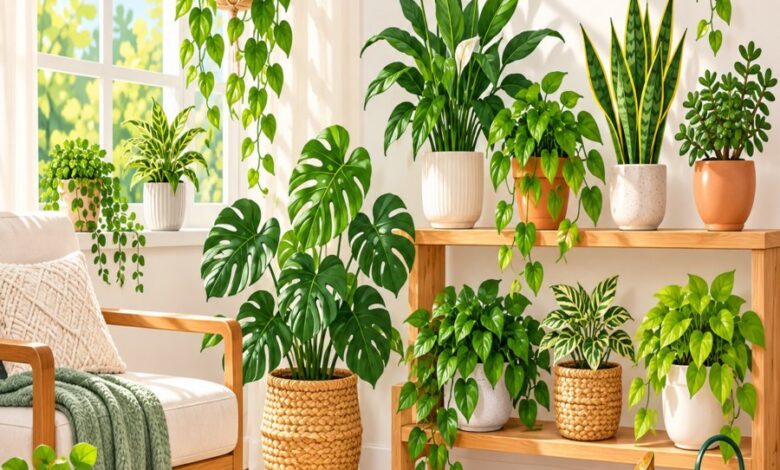
There’s nothing more discouraging than watching a once-thriving houseplant drop its leaves one by one, turning a lush green specimen into a sad, bare stem. The good news is that yellow leaf drop is almost always preventable once you understand the core indoor plant care rules that govern watering, light, and humidity. Instead of guessing your way through plant parenthood, this guide breaks down the eight essential principles that keep foliage vibrant, roots healthy, and leaf drop firmly in the past.
Whether you’re nursing a struggling pothos or trying to keep a finicky fiddle leaf fig alive, these rules apply across almost every species. Let’s dig into what your plants actually need to thrive indoors.
Why Yellow Leaves Signal Broken Indoor Plant Care Rules
Yellowing leaves are rarely random. They’re a plant’s way of communicating distress, usually tied to water, light, or nutrient imbalance.
When you break one of the fundamental indoor plant care rules, your plant redirects energy away from older leaves to protect new growth, causing the oldest foliage to yellow and drop first. Older leaves going yellow is often normal aging, but widespread yellowing across the plant usually means something in its environment needs adjusting.
Before troubleshooting, it helps to rule out the most common culprits: inconsistent watering, poor drainage, low humidity, or insufficient light. The following rules address each of these directly, giving you a complete framework for healthier houseplants.
Rule One: Master Overwatering Prevention First
Overwatering is the single leading cause of yellow leaf drop in houseplants, outranking neglect by a wide margin. Soggy soil suffocates roots, cutting off their oxygen supply and inviting rot.
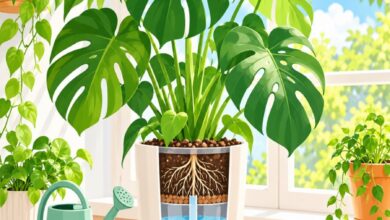
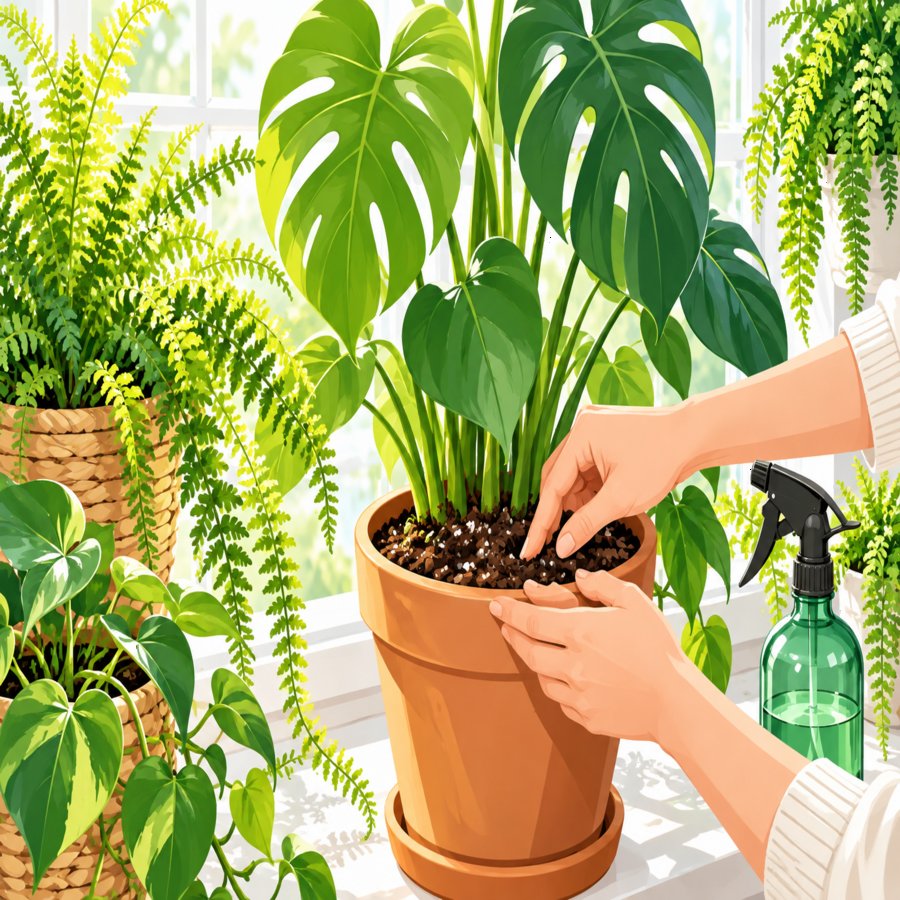
Overwatering prevention starts with checking the top two inches of soil before adding any water. If it still feels damp, wait another day or two rather than sticking to a rigid weekly schedule.
Pots without drainage holes are a major hidden risk. Always choose containers with proper drainage, or use a nursery pot inside a decorative cachepot so excess water has somewhere to go.
A moisture meter is an inexpensive tool that removes the guesswork entirely. Insert it near the root ball, and you’ll know immediately whether your plant is thirsty or still saturated.
Rule Two: Match Light Levels to the Right Species
Not every corner of your home can support every plant, and forcing a sun-loving species into a dim hallway is a recipe for yellow, leggy growth.
Fortunately, a whole category of low light tropical plants exists specifically for shadier interiors. Pothos, snake plants, ZZ plants, and peace lilies all tolerate indirect or filtered light beautifully without sacrificing vigor.
On the other hand, plants like succulents, citrus trees, and most flowering houseplants demand bright, direct sunlight for several hours daily. Placing them too far from a window often triggers the same yellowing symptoms as overwatering, which can confuse new plant owners.
Rotate your plants every couple of weeks so all sides receive even exposure. This simple habit prevents one-sided growth and keeps foliage uniformly green.
Rule Three: Respect Humidity Needs for Tropical Varieties
Many of the most popular houseplants originate from rainforest understories, meaning they crave moisture in the air, not just the soil.
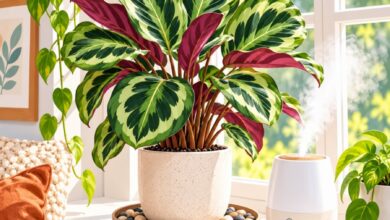
High humidity houseplants like calatheas, ferns, and alocasias develop crispy, yellowing leaf edges when indoor air becomes too dry, especially during winter heating season.
Grouping plants together creates a beneficial microclimate, as transpiration from each plant raises the surrounding humidity naturally. Pebble trays filled with water placed beneath pots achieve a similar effect without any extra effort.
For a more dependable solution, a small room humidifier set to maintain 50 to 60 percent relative humidity will keep sensitive tropical foliage looking lush year-round. According to the Royal Horticultural Society, consistent humidity and temperature control are among the most overlooked factors in successful indoor plant cultivation.
Rule Four: Feed on a Seasonal Schedule, Not a Whim
Nutrient deficiency is another overlooked trigger for yellow leaves, particularly in plants that have lived in the same potting mix for over a year.
During spring and summer, when growth is active, apply a balanced, diluted liquid fertilizer every four to six weeks. Nitrogen deficiency specifically causes older leaves to yellow uniformly while veins remain slightly greener, a telltale diagnostic sign.
Pull back on feeding entirely during fall and winter dormancy. Fertilizing a resting plant doesn’t speed growth; it simply builds up salts in the soil that can scorch roots and worsen yellowing.
Always water thoroughly before and after fertilizing to distribute nutrients evenly and flush away any excess salt buildup in the pot.
Rule Five: Repot Before Roots Become Overcrowded
A rootbound plant simply cannot absorb enough water or nutrients, regardless of how carefully you follow other indoor plant care rules.
Check for roots circling the drainage holes or pushing up through the soil surface. These are clear signs it’s time to move up to a pot one to two inches larger in diameter.
Repotting is also the perfect opportunity to refresh exhausted, compacted potting mix that no longer drains or aerates properly. Fresh soil restores the balance of nutrients your plant has likely depleted.
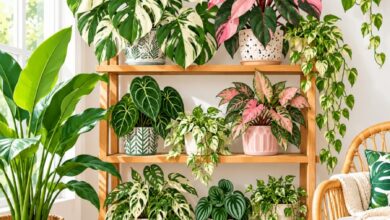
If you’re looking for creative, space-saving ways to display your growing plant collection afterward, this guide on transforming bookcases into stylish plant display shelving offers plenty of inspiration for organizing your indoor jungle.
Rule Six: Inspect Regularly for Pests and Disease
Tiny pests like spider mites, aphids, and mealybugs can silently drain a plant’s vigor long before you notice visible damage.
Make a habit of flipping leaves over weekly to check the undersides, where most pests prefer to hide and lay eggs. Early detection is the difference between a quick wipe-down and a full infestation requiring aggressive treatment.
Insecticidal soap or a diluted neem oil spray handles most common offenders safely without harsh chemicals indoors. Always isolate a newly affected plant from your collection to prevent the problem from spreading.
Root rot, often a consequence of overwatering, is another disease to watch for. Mushy, dark roots accompanied by a sour smell mean it’s time to trim away affected tissue and repot in fresh, dry soil immediately.
Rule Seven: Keep Temperature and Airflow Stable
Most tropical houseplants thrive between 65 and 80 degrees Fahrenheit and dislike sudden fluctuations more than almost anything else.
Cold drafts near drafty windows, exterior doors, or air conditioning vents can shock a plant into dropping leaves within days. Similarly, placing foliage directly against a heating vent dries it out rapidly and causes crispy, yellow-brown patches.
Gentle air circulation from an oscillating fan on a low setting, however, strengthens stems and discourages fungal issues on leaf surfaces. The goal is steady, indirect airflow rather than a constant, forceful draft.
The Old Farmer’s Almanac notes that seasonal temperature swings near windows are often more extreme than homeowners realize, making it worth relocating sensitive plants a few feet further inward during winter months.
Rule Eight: Build a Consistent Observation Routine
The final and arguably most important of all indoor plant care rules is simply paying attention. Plants communicate stress gradually, and catching early signs prevents minor issues from becoming major setbacks.
Set a weekly reminder to walk through your home and genuinely look at each plant. Checking soil moisture, leaf color, and new growth takes only a few minutes but reveals problems long before they become visible to a casual glance.
Keep a simple log, even a basic note on your phone, tracking when you last watered, fed, or repotted each plant. This habit alone eliminates the guesswork that leads to both overwatering and underwatering mistakes.
Following consistent indoor plant care rules isn’t about perfection; it’s about building sustainable habits that keep your green companions thriving through every season.
Final Thoughts on Preventing Yellow Leaf Drop
Yellow leaf drop isn’t a mystery once you understand the eight pillars behind it: proper watering, correct light exposure, humidity management, seasonal feeding, timely repotting, pest vigilance, stable temperatures, and consistent observation.
Apply these principles together rather than in isolation, since most yellowing issues stem from a combination of small environmental stressors rather than a single dramatic cause.
With patience and these reliable indoor plant care rules in your toolkit, you’ll spend far less time troubleshooting sad foliage and far more time enjoying a thriving, vibrant indoor garden.