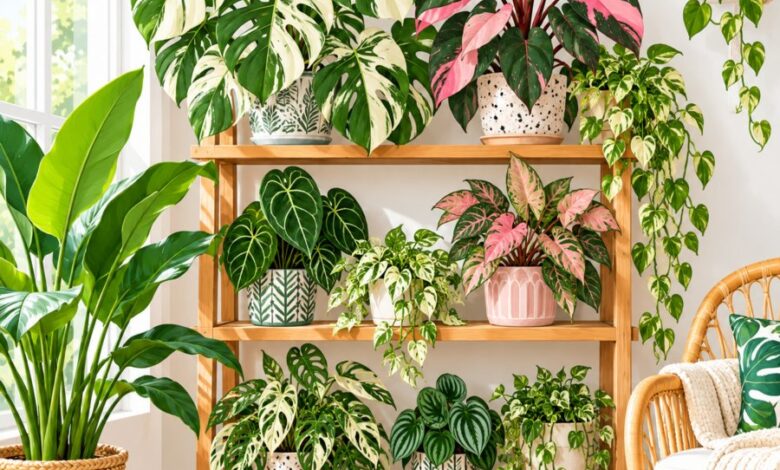
Why Variegated Houseplants Are the Crown Jewels of Indoor Jungles
If you have spent any time scrolling through plant forums lately, you already know that variegated houseplants have become the most coveted additions to any indoor collection. These stunning specimens, marked by irregular patches of white, cream, or yellow across their foliage, turn an ordinary plant shelf into a living gallery. Their rarity, combined with their eye-catching patterns, makes them a genuine investment piece for serious plant lovers.
In this guide, we are walking through six of the most desirable variegated specimens you can grow indoors, along with the care tricks that keep their patterns vivid and their growth healthy. Whether you are a seasoned collector or just starting your journey, this list will help you build a jungle that truly stands out.
Monstera Albo: The Reigning Queen of Variegation
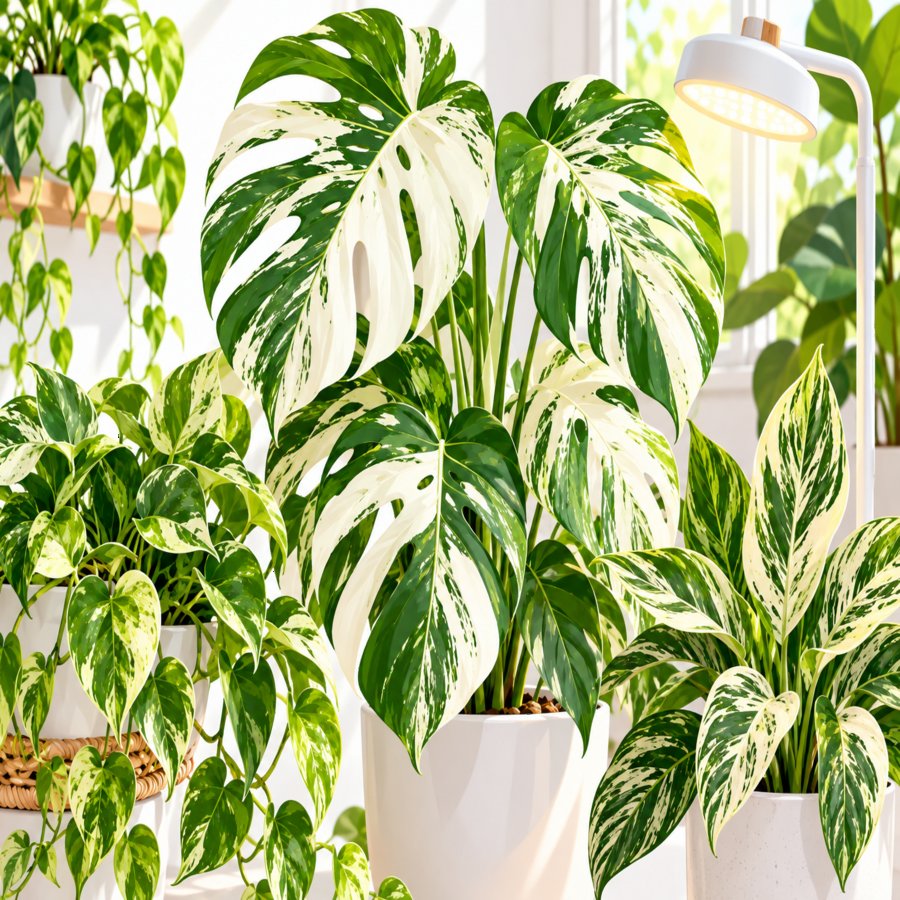
No discussion of rare foliage would be complete without mentioning the Monstera Albo. Its deeply split leaves are splashed with bold, unpredictable white sectors that make every new leaf a surprise.
Getting Started with Monstera Albo Propagation
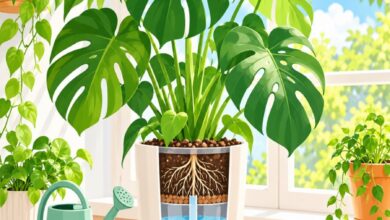
Successful monstera albo propagation hinges on cutting below a node with at least one aerial root attached. Place the cutting in a glass of filtered water or sphagnum moss, keeping it in bright, indirect light until roots reach two inches long.
Patience is essential here, since variegated cuttings often root more slowly than their all-green counterparts due to reduced chlorophyll. Once established, pot the new plant in a chunky, well-draining medium to support its climbing habit.
Because this plant commands such a high price tag, many collectors display their prized cuttings prominently. A clever way to showcase a rooting jar or a young albo is by using the ideas in our floating wood shelf display ideas for houseplants, which free up counter space while keeping your plant in optimal light.
Thai Constellation Monstera: A Stable Variegation Star
Unlike the Albo, the Thai Constellation offers speckled cream variegation that is genetically stable, meaning it will not revert to solid green over time. This makes it a slightly more forgiving choice for beginners dipping their toes into variegated houseplants.
Its speckled pattern resembles a starry night sky scattered across deep green leaves. Growth is notably slower than standard monsteras, so do not be discouraged if new leaves take weeks to unfurl.
Give this plant a sturdy moss pole early on, since its aerial roots crave something to grip. Fertilize sparingly during spring and summer with a diluted balanced feed to avoid burning the delicate variegated tissue.
Philodendron Pink Princess: Bold Color Meets Drama
The Pink Princess philodendron delivers near-black foliage streaked with vivid pink and sometimes creamy white sectors. It is one of the few variegated houseplants where the variegation color itself, rather than just the pattern, draws instant attention.
Encouraging More Pink
To maximize pink coloration, prune stems that produce mostly green or mostly white growth, redirecting the plant’s energy toward balanced variegation. Bright, consistent light is the single biggest factor in maintaining vibrant pink patches.
This plant is also prone to reverting if light levels drop, so monitor new leaves closely and trim away any that lose their pattern entirely.
Syngonium Albo Variegatum: Delicate Arrows of White
This arrowhead vine delivers crisp white variegation on a plant that is far easier to source and grow than its monstera cousins. Its trailing habit makes it ideal for hanging baskets or cascading from a high shelf.
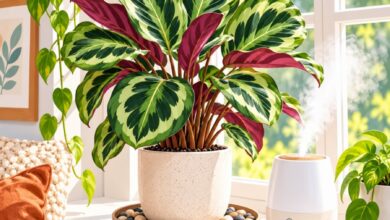
Because white variegated sections lack chlorophyll, this syngonium grows more slowly and needs slightly more humidity than a solid green variety. A pebble tray or small humidifier nearby will keep the foliage from crisping at the edges.
Rotate the pot every week or two so all sides receive even light, which helps prevent the plant from growing lopsided toward a single window.
Variegated String of Hearts: A Trailing Showstopper
For collectors who prefer delicate trailing plants over large tropical leaves, the variegated string of hearts is a perfect fit. Its heart-shaped leaves carry marbled cream and pink edges along thin, wiry vines that can trail several feet.
This succulent-like plant stores water in its leaves, so it strongly prefers to dry out completely between waterings. Overwatering is the fastest way to lose this variety, as its roots rot quickly in soggy conditions.
Hang it near a bright window or let it spill over the edge of a floating shelf for a dramatic cascading effect that catches the eye from across the room.
Alocasia Frydek Variegata: Velvet Leaves with White Veins
Rounding out our list is the Alocasia Frydek Variegata, a plant with velvety dark green leaves traced by striking white veining and occasional larger white sectors. It is considerably more finicky than the other entries here, making it a true test of a collector’s skill.
According to the Royal Horticultural Society, tropical aroids like alocasia thrive best when humidity stays above 60 percent and temperatures remain stable, advice that applies directly to keeping this variegated beauty happy indoors.
Keep this plant away from cold drafts and sudden temperature swings, as its leaves react dramatically with yellowing or browning when stressed.
The Secret to Thriving Variegated Houseplants: Soil and Light
No matter which variety you choose, two factors determine success more than anything else: the growing medium and the light source. Getting these right is what separates a thriving variegated collection from a struggling one.
Building the Right Rare Plant Soil Mix
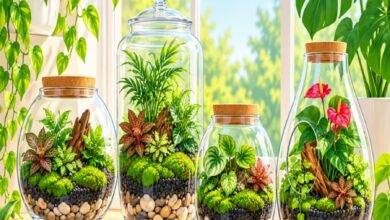
A proper rare plant soil mix should prioritize drainage and airflow over moisture retention. A reliable blend combines equal parts orchid bark, perlite, and horticultural charcoal with a smaller portion of coconut coir to hold just enough moisture.
This chunky structure mimics the loose, organic debris these plants root into in their native rainforest habitats. It also allows oxygen to reach the roots, preventing the rot that quickly kills expensive variegated specimens.
Designing Effective Indoor Plant Lighting Setups
Because white and cream sections cannot photosynthesize, variegated plants need more total light than solid green ones to produce the same amount of energy. Thoughtful indoor plant lighting setups using full-spectrum LED grow lights positioned twelve to eighteen inches above the foliage can make a dramatic difference in leaf size and pattern retention.
Run supplemental lights for ten to twelve hours daily, especially during darker winter months when natural sunlight is limited. The Old Farmer’s Almanac notes that consistent light duration often matters more than intensity alone for maintaining healthy foliage color through seasonal changes.
Styling and Displaying Your Variegated Houseplants Collection
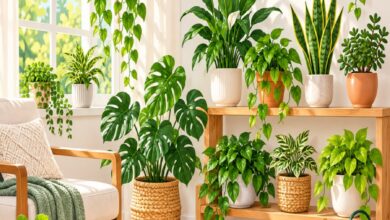
Once your collection grows, presentation becomes just as important as plant health. Grouping variegated houseplants together on tiered stands creates a visual rhythm that highlights their unique patterns side by side.
Light-colored walls or neutral backdrops help the white and cream variegation pop even more, so consider the wall color behind your display shelves. Floating shelves work wonderfully here, keeping trailing varieties elevated and out of reach of curious pets while maximizing floor space in smaller rooms.
Rotate plants seasonally between your brightest windows to ensure every specimen gets its turn in prime light, keeping variegation patterns consistent and vibrant across your entire indoor jungle year-round.
Final Thoughts on Growing Variegated Houseplants Successfully
Building a collection of variegated houseplants takes patience, careful observation, and a willingness to adjust care routines as each plant reveals its preferences. The reward, however, is a living display unlike anything found in an ordinary green houseplant collection.
Start with one or two of the varieties listed above, master their specific needs, and gradually expand your jungle as your confidence grows. Before long, your home will feature a curated gallery of foliage that visitors simply cannot stop admiring.