8 Fabric Couch Cleaning Secrets That Finally Beat Deep Oil Stains
If you have ever stared at a greasy shadow sinking into your favorite armchair, you already know why we are here. These fabric couch cleaning secrets exist precisely for those stubborn, embedded oil marks that laugh at a quick wipe with a damp cloth.
Oil stains behave differently than wine, mud, or ink because they bond with fabric fibers on a molecular level instead of just sitting on the surface. That is why ordinary dish soap and water often smear the problem around rather than lifting it out.
In this guide, we are breaking down eight professional-grade techniques, including upholstery spot cleaning methods, smart sofa fabric care habits, and exactly how to remove oil from couch cushions without ruining the material underneath.
Why Oil Stains Are the Toughest Test for Any Sofa
Oil is hydrophobic, meaning it actively repels water-based cleaners. This is the core reason so many people fail at home cleaning attempts and end up calling in professionals at a premium price.
When popcorn butter, pizza grease, or hand lotion seeps into a cushion, it spreads along the fibers rather than staying in one neat spot. That spreading is why a stain often looks bigger the next morning than it did the night before.
Know your fabric code first. Check the cushion tag for a W, S, WS, or X code before attempting anything, since this single letter determines whether water or solvent-based treatments are safe.
Understanding this chemistry is the foundation of every effective fabric couch cleaning secret you will use going forward, because guessing blindly is how permanent rings and faded patches happen.
Secret One: The Cornstarch or Baking Soda Absorption Trick
Before you reach for any liquid, you need to pull as much grease out as possible while it is still fresh. This is the single most overlooked step in successful upholstery spot cleaning.
Generously sprinkle plain cornstarch, baking soda, or talcum powder directly onto the stain. These powders are excellent natural absorbents that draw oil upward and out of the fibers through simple capillary action.
Let it sit overnight. Patience matters here. Leave the powder undisturbed for at least eight hours, or ideally overnight, so it has time to fully absorb the trapped grease.
Vacuum the dried powder thoroughly the next morning using the upholstery attachment. You will often notice the stain already looks noticeably lighter before you even apply a cleaning solution.
Secret Two: Dish Soap Still Wins for Water-Safe Fabrics
For cushions tagged with a W or WS code, grease-cutting dish soap remains remarkably effective because it is literally engineered to break down fat and oil molecules on contact.
Mix one teaspoon of dish soap with two cups of warm water in a spray bottle. Avoid saturating the cushion; a light misting over the stain is enough to activate the degreasing agents.
Dab, never scrub. Use a clean white microfiber cloth and blot in gentle circular motions working from the outside edge of the stain inward, which prevents the oil ring from spreading wider.
Rinse your blotting cloth frequently in clean water so you are not redepositing the lifted oil back onto the fabric surface.
Secret Three: Rubbing Alcohol for Solvent-Only Upholstery
Many velvet, silk-blend, and delicate decorative sofas carry an S code, which means water will leave permanent watermarks. This is where solvent-based fabric couch cleaning secrets become essential.
Dampen a cotton pad with plain isopropyl rubbing alcohol and test it discreetly on a hidden section of the cushion first, waiting ten minutes to confirm there is no discoloration.
Once confirmed safe, blot the oil stain gently. Alcohol evaporates quickly and dissolves grease without leaving behind the moisture rings that water-based cleaners tend to cause.
Work in small sections. Treating a small area at a time keeps the alcohol from drying unevenly and creating a faint outline around your cleaning zone.
Secret Four: The Vinegar and Warm Water Reset
White vinegar is a mild acid that breaks the bond between oil molecules and fabric fibers, making it one of the gentlest yet most reliable sofa fabric care staples in any home pantry.
Combine equal parts white vinegar and warm water in a spray bottle. Mist lightly over the oil mark and let it sit for five minutes before blotting with a dry towel.
The faint vinegar smell dissipates within a few hours as it dries, and it also leaves upholstery smelling fresher by neutralizing any lingering food odors trapped alongside the grease.
This method pairs beautifully with wooden-framed sofas and accent chairs, and if your living room leans toward a moody, rich aesthetic, you might also enjoy these dark wood furniture styling tips to keep the whole room looking polished once your cushions are spotless again.
Secret Five: Dawn Dish Soap Plus Baking Soda Paste
For truly stubborn, days-old grease that has fully set into the cushion padding, a thicker paste delivers more concentrated cleaning power than a simple spray.
Mix one tablespoon of baking soda with a few drops of dish soap and just enough water to form a spreadable paste, similar in texture to toothpaste.
Apply and rest. Spread the paste over the stain, let it dry completely for about two hours, then brush off the residue with a soft-bristle brush before vacuuming.
This combination lifts oil through both chemical breakdown and physical absorption, making it one of the most powerful fabric couch cleaning secrets for set-in grease spots.
Secret Six: Cornmeal and Dry Cleaning Solvents for X-Coded Fabrics
Some couches, particularly those made from suede, chenille, or specialty microfiber, carry an X code meaning they should only ever be vacuumed or professionally cleaned.
For these fabrics, a dry solvent cleaner designed specifically for upholstery is your safest option, applied exactly according to the product label instructions.
Fine cornmeal can also be rubbed gently into suede-like textures using a soft cloth to absorb surface oil without introducing any moisture that could cause water spotting.
When in doubt, call a professional. X-coded upholstery is genuinely risky to treat yourself, and a botched attempt can cost far more to repair than a scheduled cleaning appointment.
Secret Seven: Steam Cleaning for Deep-Set, Older Stains
Handheld upholstery steam cleaners use heat and pressurized vapor to loosen oil that has migrated deep into the cushion foam, which surface treatments simply cannot reach.
Hold the steam nozzle a few inches away from the fabric and move it slowly over the stain, then immediately blot with a dry towel to absorb the loosened grease and moisture together.
Always check the fabric code before steaming, since this technique introduces moisture and heat, both of which can damage water-sensitive S-coded materials permanently.
For broader guidance on matching cleaning intensity to specific textile types, the Better Homes & Gardens upholstery care resources offer excellent fabric-by-fabric breakdowns worth bookmarking.
Secret Eight: Preventative Sofa Fabric Care That Stops Oil Before It Sets
The best fabric couch cleaning secrets are the ones that prevent you from ever needing emergency intervention in the first place.
Apply a fabric protector spray. A quality stain-guard treatment, reapplied every six months, creates an invisible barrier that keeps oil sitting on top of fibers instead of sinking in immediately.
Rotate and flip cushions weekly. Even wear distributes body oils and household grease more evenly, preventing any single spot from becoming a concentrated problem area.
Vacuum weekly without exception. Dust and airborne kitchen grease settle into fibers daily, and a quick weekly vacuum session keeps them from compounding into deeper stains over time.
Treat any fresh spill within the first fifteen minutes using the cornstarch absorption method from earlier, since fast action is always more effective than waiting even a single day.
Common Mistakes That Undo Your Fabric Couch Cleaning Secrets
Even with the right technique, small missteps can quietly sabotage your results and leave you back where you started.
Scrubbing aggressively. Hard scrubbing pushes oil deeper into the padding and can fray or pill delicate fabric surfaces permanently.
Using hot water on oil stains. Heat can set certain protein-based residues and cause oil to spread rather than lift, so always start with lukewarm solutions.
Skipping the patch test. Every single cleaner, even gentle ones, should be tested on an inconspicuous area before full application.
Letting cushions air dry in direct sunlight. UV exposure can fade fabric unevenly, creating a visible contrast between the cleaned area and the surrounding material.
For gardeners who also care deeply about outdoor textiles like patio cushions, the seasonal fabric maintenance guidance from the Old Farmer’s Almanac offers helpful timing advice that pairs naturally with indoor upholstery routines.
Building a Long-Term Sofa Fabric Care Routine
Consistency beats intensity when it comes to keeping upholstery looking new for years rather than months.
Set a monthly reminder to deep clean high-contact zones like armrests and seat cushions, since these areas accumulate skin oils and food residue the fastest.
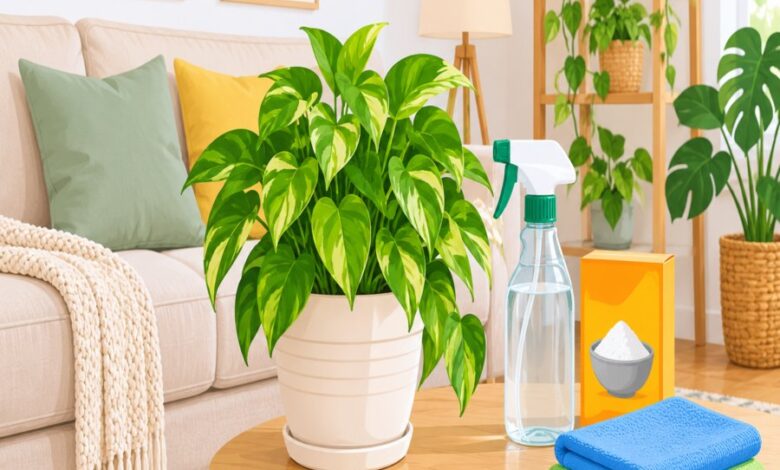
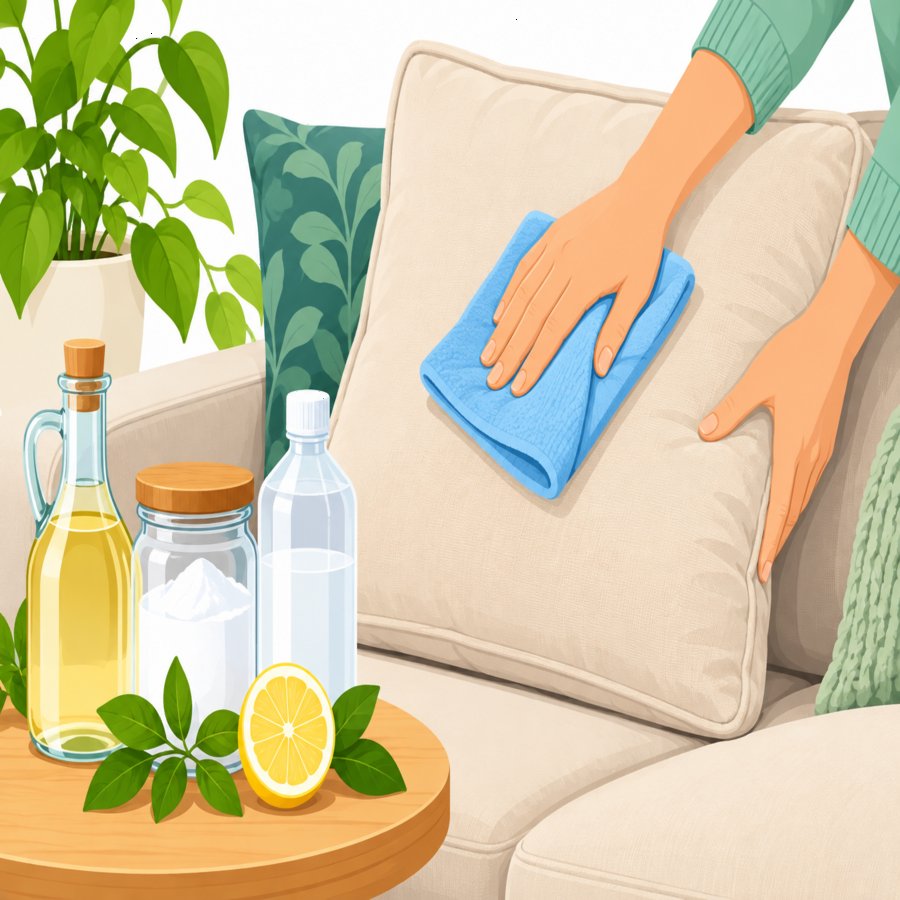
Keep a small cleaning kit, cornstarch, dish soap, white vinegar, rubbing alcohol, and microfiber cloths, stored near the living room for immediate spill response.
Establishing household rules around eating near upholstered furniture, or using a washable throw over high-risk seating, dramatically reduces how often you need these fabric couch cleaning secrets in the first place.
With the right combination of fast response, correct fabric identification, and routine maintenance, even the greasiest family room sofa can stay looking showroom-fresh for years to come.
Mastering how to remove oil from couch fabric is ultimately less about one miracle product and more about matching the right method to your specific upholstery, acting quickly, and protecting your investment going forward.