

If you have never pulled back your sheets and really looked at your mattress, brace yourself. Beneath that cozy surface lives a hidden world of dust mites, sweat residue, and stubborn stains that no amount of vacuuming alone can fix. These mattress deep cleaning secrets are designed to help you reclaim your bed from invisible allergens and finally breathe easier at night. Whether you are dealing with a musty odor, visible stains, or just want a healthier sleep environment, this guide walks you through eleven proven, practical techniques that actually work.
Essential Guide to mattress deep cleaning secrets
Why Your Mattress Needs More Than a Quick Vacuum
A mattress absorbs sweat, skin cells, and body oils every single night for years on end. That combination creates the perfect breeding ground for dust mites, which feed on shed skin and thrive in warm, humid bedding.
Standard vacuuming only removes surface debris, leaving deeper layers untouched. That is exactly why mattress deep cleaning secrets focus on penetrating beyond the surface fabric to address what you cannot see.
Allergy sufferers in particular benefit from a more thorough approach, since dust mite waste is one of the most common indoor allergens triggering sneezing, congestion, and itchy eyes. Treating your mattress with the same seriousness you treat your floors or upholstery makes a measurable difference in air quality and sleep comfort.
Secret One: Start With a Full Strip-Down Inspection
Before reaching for any cleaning product, strip the bed completely. Remove sheets, pillowcases, mattress protectors, and any toppers so you have a clear view of the mattress surface.
Inspect seams, tufted buttons, and corners carefully, since these spots trap the most debris. Note any visible stains, as different stains respond to different treatments.
Pro tip: Photograph stubborn spots before treatment so you can track your progress and know which techniques actually worked once the mattress dries.
Secret Two: Vacuum With the Right Attachment and Technique
Use an upholstery attachment with a vacuum that has strong suction, ideally one rated for allergens or equipped with a HEPA filter. Work in slow, overlapping strokes rather than quick passes.
Pay special attention to the perimeter and any quilted channels, since dust and dander settle into these low spots. Flip the mattress if your model allows it, and vacuum the underside too.
This step alone significantly reduces the allergen load, but it is only the foundation for the deeper mattress deep cleaning secrets that follow.
Secret Three: Baking Soda Mattress Sanitize Method
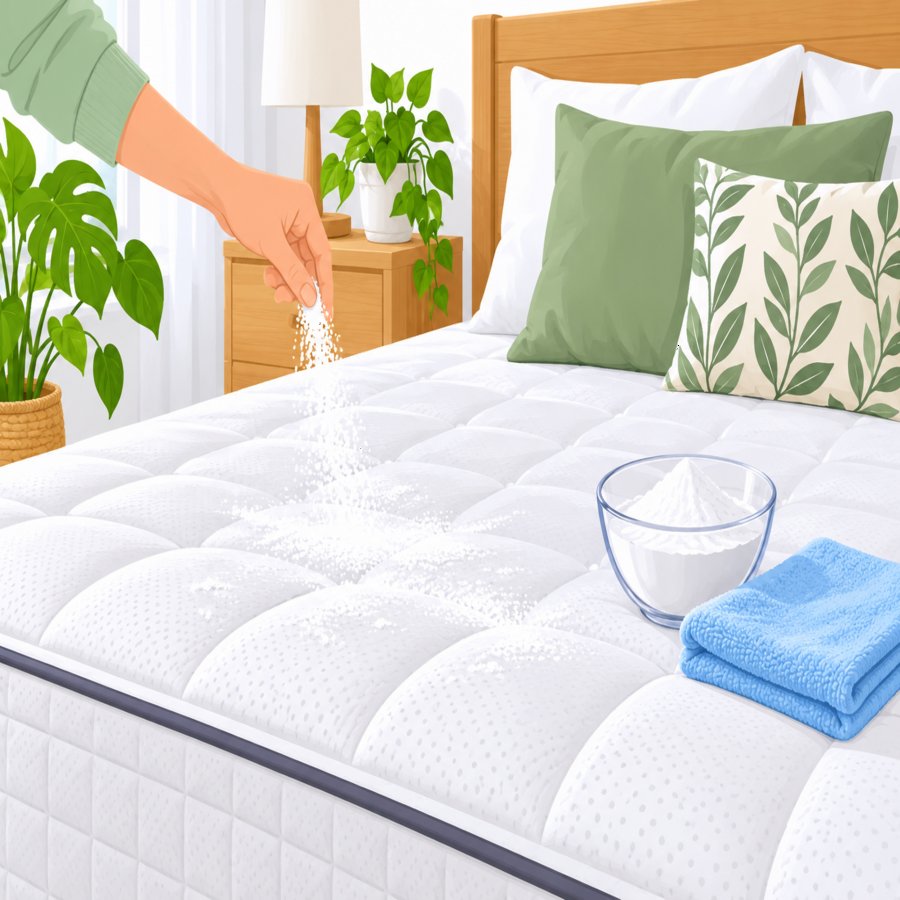
One of the most trusted natural techniques is the baking soda mattress sanitize method. Baking soda is a mild alkaline powder that absorbs moisture, neutralizes odors, and helps loosen debris trapped in fibers.
Sprinkle a generous, even layer of baking soda across the entire mattress surface. For extra odor control, mix in a few drops of lavender or tea tree essential oil, both known for mild antimicrobial properties.
Let it sit undisturbed for at least one hour, though overnight provides deeper results if your schedule allows. The longer it rests, the more moisture and odor it pulls from deep within the padding.
Afterward, vacuum thoroughly to remove every trace of powder. This single step is considered one of the simplest yet most effective mattress deep cleaning secrets because it requires no scrubbing and uses ingredients already in your pantry.
Secret Four: Targeted Dust Mite Removal Techniques
Effective dust mite removal requires addressing both heat and moisture, since mites cannot survive extreme temperature shifts or dry conditions. Steam cleaning is one of the most powerful tools here, as the high heat kills mites instantly on contact.
If a steam cleaner is not available, sunlight exposure works as a natural alternative. Direct sunlight dehydrates mites and helps reduce their population significantly within a few hours of exposure.
According to guidance from the Royal Horticultural Society, managing humidity and airflow is equally important in outdoor and indoor environments alike, a principle that applies directly to bedroom climate control for reducing mite-friendly conditions.
Washing bedding weekly in hot water above 130 degrees Fahrenheit also interrupts the mite life cycle, preventing them from repopulating the surfaces you just cleaned.
Secret Five: Bed Stain Extractor Solutions for Tough Marks
For visible stains like sweat rings, blood spots, or old urine marks, a reliable bed stain extractor solution makes all the difference. A simple homemade extractor combines hydrogen peroxide, dish soap, and a small amount of baking soda.
Mix one part dish soap with two parts hydrogen peroxide and a sprinkle of baking soda, then apply directly onto the stain using a soft cloth. Blot gently, never rub, as rubbing pushes the stain deeper into the fibers.
Allow the mixture to sit for ten to fifteen minutes before blotting with a clean, damp cloth to lift the residue. For older, set-in stains, repeat the process rather than increasing the solution strength, since harsh concentrations can damage mattress fabric.
Always test any bed stain extractor formula on a small hidden area first to confirm it will not discolor the fabric.
Secret Six: Drying Thoroughly to Prevent Mold Growth
Moisture left inside a mattress is a serious risk, since it invites mold and mildew that can be far worse than the dust mites you just removed. After any wet treatment, drying becomes a non-negotiable step.
Open windows for cross ventilation, run a fan directly over the mattress surface, or use a dehumidifier in smaller rooms with limited airflow. Avoid remaking the bed until the mattress is completely dry to the touch, which can take several hours depending on humidity levels.
Resources from Better Homes & Gardens echo this same caution, noting that trapped moisture in household textiles is one of the leading causes of indoor mold complaints.
Secret Seven: Rotating and Flipping for Even Wear
Rotating your mattress every three months helps distribute body weight evenly, reducing the sagging that traps allergens in concentrated zones. If your mattress is double-sided, flipping it periodically exposes both surfaces to airflow and sunlight.
This simple habit extends the life of your mattress while preventing one area from becoming a hotspot for dust accumulation. Mark your calendar or set a recurring reminder, since this task is easy to forget once life gets busy.
Secret Eight: Protective Covers That Actually Work
A high-quality, allergen-rated mattress protector acts as a barrier that catches sweat, skin cells, and spills before they reach the mattress itself. Look for covers labeled as waterproof and hypoallergenic, ideally with a tightly woven fabric that blocks mites without trapping heat.
Wash this cover weekly alongside your regular bedding to maintain its protective qualities. Investing in a good protector means your future deep cleaning sessions require far less effort, since most grime never reaches the mattress surface at all.
Just as thoughtful placement prevents common errors elsewhere in the home, as explained in this guide on avoiding common gallery wall design mistakes, choosing the right mattress protector from the start prevents avoidable cleaning headaches down the road.
Secret Nine: Essential Oil Sprays for Lasting Freshness
After your deep clean, a light essential oil spray keeps your mattress smelling fresh between full cleaning sessions. Combine distilled water with a few drops of eucalyptus, lavender, or tea tree oil in a spray bottle.
Mist lightly over the surface and allow it to air dry fully before adding sheets back. These oils carry natural properties that many people find helpful for maintaining a fresher sleeping surface, though they should never replace the deeper cleaning methods described above.
Keep sprays light and avoid saturating the fabric, since excess liquid reintroduces the very moisture problem you worked hard to eliminate.
Secret Ten: Seasonal Deep Cleaning Schedule
Consistency matters more than intensity when it comes to mattress deep cleaning secrets. Set a seasonal schedule, cleaning thoroughly at least once every three months, with lighter maintenance vacuuming monthly in between.
The Old Farmer’s Almanac has long emphasized seasonal household rhythms, and applying that same logic to bedding care ensures allergens never get the chance to build up to problematic levels.
Pair your seasonal mattress routine with pillow and comforter washing, since these items share the same bed environment and collect similar allergens.
Secret Eleven: Knowing When to Call a Professional
While most mattress deep cleaning secrets can be handled at home, some situations call for professional upholstery cleaning services, especially with deeply embedded odors, extensive mold, or allergy sufferers with severe sensitivities.
Professionals have access to industrial-grade steam extractors and specialized enzyme treatments that go beyond what home remedies can achieve. If your mattress is older than seven years and showing persistent issues, it may also simply be time to consider a replacement rather than continued deep cleaning.
Weigh the cost of professional service against the age and condition of your current mattress to make the most practical, budget-friendly decision for your household.
Final Thoughts on a Healthier Bedroom
A clean mattress is one of the most overlooked foundations of a genuinely healthy home. By applying these eleven mattress deep cleaning secrets consistently, you create a sleeping environment that supports better rest, fewer allergy flare-ups, and a noticeably fresher bedroom overall.
Start small with a single baking soda treatment this weekend, then build toward a full seasonal routine. Your lungs, your skin, and your sleep quality will all thank you for the effort.