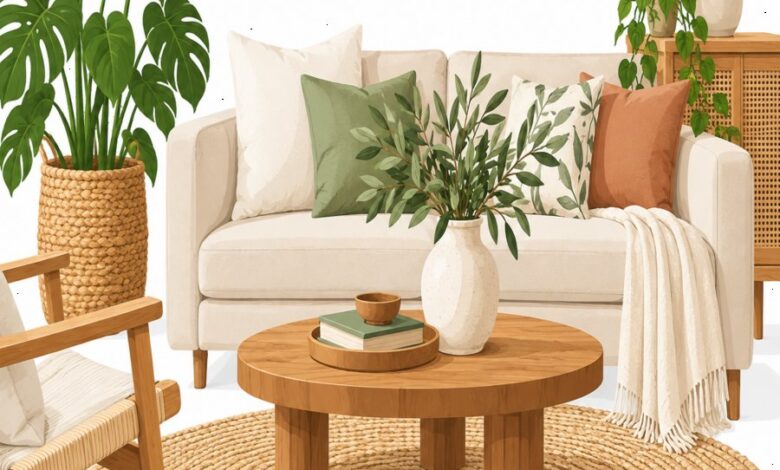
Warm minimalism has quietly become the design philosophy of choice for homeowners who crave calm, uncluttered rooms without sacrificing comfort. The secret to pulling it off successfully lies in mastering tactile layering techniques that add depth, warmth, and personality to a pared-back space. Rather than filling a room with objects, these techniques focus on how surfaces feel, how light interacts with texture, and how a handful of thoughtfully chosen materials can transform a stark interior into an inviting retreat.
If you have ever walked into a minimalist home that felt cold instead of calming, it was likely missing this layer of tactile richness. This guide walks you through six approachable, budget-friendly methods for introducing texture into any room, using natural fibers, plants, lighting, and thoughtful material pairings. By the end, you will have a practical roadmap for building a home that looks serene but feels unmistakably lived-in and warm.
Why Tactile Layering Techniques Are the Heart of Warm Minimalism
Minimalism often gets a reputation for being austere, but that is only true when texture is ignored. True warm minimalism relies on tactile layering techniques to create visual and physical interest within a restrained color palette and limited object count.
Think of texture as the seasoning in a simple dish. A neutral room with linen curtains, a chunky wool throw, and a raw wood coffee table can feel richer than a cluttered space full of mismatched colors. This is because our brains read texture almost as strongly as color when assessing whether a room feels comfortable.
Designers often describe this approach as building interior texture in layers, much like dressing for cold weather. You start with a base layer, such as flooring and wall finishes, then add mid-layers like furniture upholstery, and finish with accent layers such as pillows, throws, and decorative objects. Each layer should introduce a different tactile quality, whether that is roughness, softness, shine, or matte depth.
The goal is restraint paired with intention. You are not adding more things, you are adding more feeling to the few things you already have.
Technique One: Mix Natural Fibers for Grounded Warmth
The easiest entry point into tactile layering techniques is through natural fiber textiles. Jute rugs, linen cushions, cotton throws, and wool blankets each carry a distinct hand-feel that plastic or synthetic blends simply cannot replicate.
Start with your flooring. A chunky jute or sisal rug introduces a coarse, grounded texture that anchors a room visually and physically. Layer a smaller, softer wool or cotton rug on top near a seating area for contrast underfoot.
Pro tip: Avoid matching fiber types throughout the room. Pair a rough jute rug with a smooth linen sofa cover and a fuzzy bouclé accent chair. This deliberate mismatch of materials is what makes a minimalist room feel curated rather than sparse.
Throws and cushions are the fastest, most affordable way to experiment. Choose two or three textures in a tight, neutral color family, such as oatmeal, cream, and soft taupe, so the textures do the talking instead of the colors competing for attention.
Technique Two: Use Wood Grain and Stone to Add Organic Texture
Nothing says warm minimalism quite like exposed wood grain and natural stone. These materials carry built-in texture that requires zero additional styling effort, which makes them perfect for anyone new to tactile layering techniques.
A live-edge wood coffee table, a raw oak shelf, or even a simple cutting board displayed on an open kitchen counter introduces organic irregularity into an otherwise clean-lined space. The visible grain, knots, and natural variation break up the flatness common in minimalist interiors.
Stone works similarly. A honed marble tray, a travertine side table, or even river stones arranged in a shallow bowl add weight and coolness that contrasts beautifully with soft textiles nearby.
Design tip: Place a smooth stone object next to a rough wood object. The juxtaposition of polished versus raw surfaces is a classic tactile layering technique used by professional stylists to make vignettes feel intentional rather than accidental.
Technique Three: Let Houseplants Do the Textural Heavy Lifting
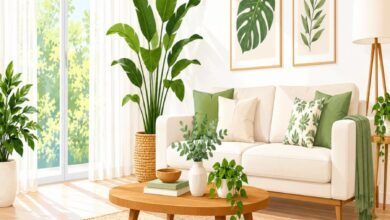
Plants are perhaps the most underrated tool for building interior texture in a minimalist home. Foliage introduces movement, irregularity, and organic shapes that hard furniture simply cannot provide.
Choose plants with varied leaf textures rather than sticking to one type. A fiddle leaf fig offers broad, glossy leaves, while a Boston fern contributes delicate, feathery fronds. A snake plant adds rigid, architectural lines. Grouping these varied textures together creates a layered, almost sculptural display.
Pot choice matters just as much as the plant itself. A rough terracotta pot beside a smooth concrete planter beside a woven basket cover creates three distinct textures within a single plant corner, reinforcing the same layering principle used in textiles and furniture.
Healthy plants are essential to this look, since wilting leaves undercut the polished feel you are going for. If you struggle with overwatering or inconsistent watering schedules, consider adopting the method explained in this guide on how to bottom water houseplants for stronger root growth, which helps plants develop the lush, full foliage that makes textural groupings look their best.
For further plant care guidance rooted in horticultural expertise, the Royal Horticultural Society offers excellent resources on indoor plant health and seasonal care that pair well with any interior styling project.
Technique Four: Layer Lighting to Reveal Texture After Dark
Texture is only visible when light hits it at the right angle, which is why lighting design is one of the most overlooked tactile layering techniques in home styling. Flat, overhead lighting flattens surfaces and hides the very details you worked hard to introduce.
Instead, rely on layered lighting sources placed at different heights. A floor lamp casting light sideways across a woven rug will highlight its weave pattern far better than a ceiling fixture ever could.
Try this setup: Combine a warm-toned table lamp near a textured throw pillow, a wall sconce angled toward a wood-paneled accent wall, and a dimmable overhead fixture for general ambiance. This three-tier lighting approach mimics natural light conditions and lets every tactile surface in the room cast subtle shadows.
Warm bulb temperatures, typically between 2700K and 3000K, enhance the cozy feeling of natural materials far better than cool white light, which tends to make wood and textiles look sterile.
Technique Five: Introduce Cozy Home Accents Through Intentional Clusters
Minimalist homes thrive on restraint, but restraint does not mean emptiness. Strategic clusters of cozy home accents allow you to introduce personality and texture without overwhelming a room’s clean lines.
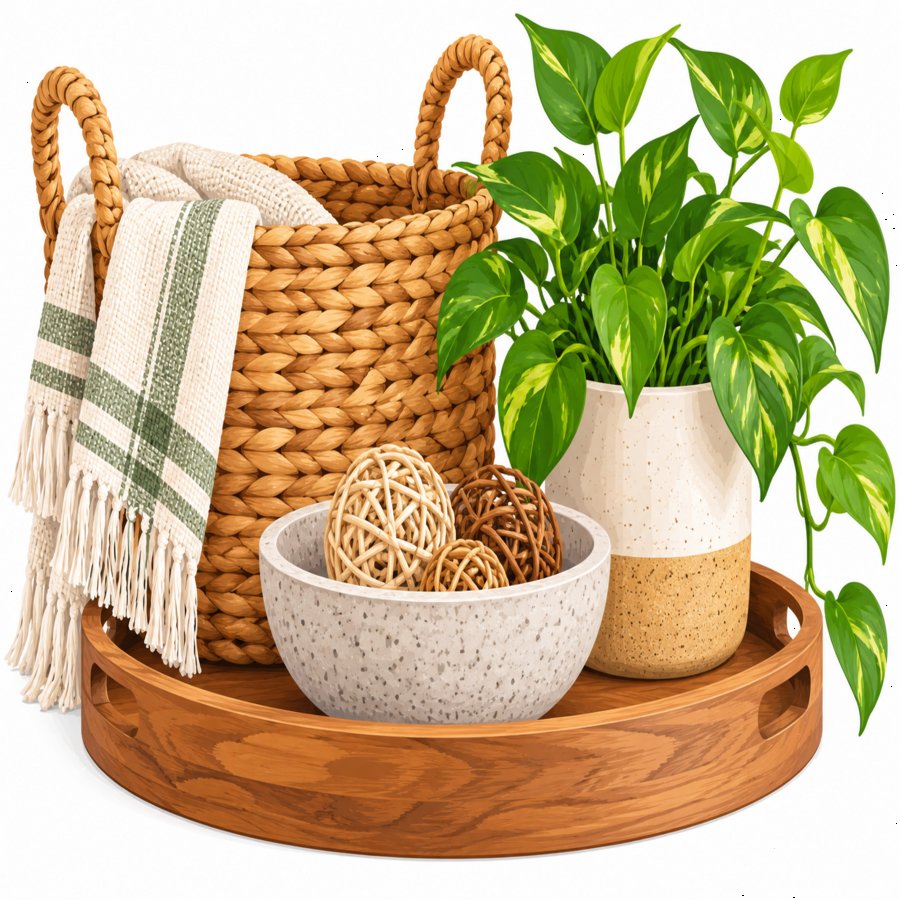
The rule of three works well here. Group three objects of varying height, texture, and material on a shelf, console, or coffee table. For example, pair a ceramic vase, a stack of linen-bound books, and a small woven basket.
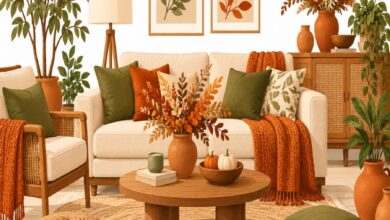
Rotating seasonal accents keeps the layered look fresh without adding permanent clutter. Swap a chunky knit throw for a lighter linen one in warmer months, or trade a stone bowl for a glass one filled with dried botanicals.
According to styling advice from Better Homes & Gardens, rotating a small number of accent pieces seasonally is one of the most effective ways to keep a minimalist home feeling current and personal without accumulating excess décor.
Keep every accent purposeful. If an object does not add texture, warmth, or function, it likely does not belong in a warm minimalist space.
Technique Six: Balance Matte and Sheen Finishes Across Surfaces
One of the most sophisticated tactile layering techniques involves balancing matte and reflective finishes throughout a room. Too much matte texture can feel heavy and dull, while too much sheen can feel cold and showroom-like.
A matte plaster wall paired with a glossy ceramic lamp base creates visual rhythm. Similarly, a brushed brass drawer pull against a raw linen cabinet front introduces subtle shine without breaking the room’s quiet palette.
Quick checklist for finish balance:
Walls and large furniture pieces should lean matte to avoid visual fatigue. Hardware, light fixtures, and small decorative objects can carry the sheen, acting as subtle highlights rather than dominant features. Fabric choices should mix low-sheen linen or cotton with at least one slightly reflective texture, such as a silk-blend cushion or a lightly waxed leather accent.
This balance of matte and sheen is what separates a professionally styled room from one that simply has a lot of neutral-colored items. It is texture working in harmony with light, not just color working in harmony with itself.
Putting It All Together Room by Room
Applying tactile layering techniques works best when approached room by room rather than all at once. Trying to overhaul an entire home in a weekend often leads to mismatched, overcrowded results.
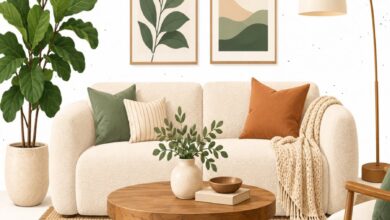
Living room: Start with a jute or wool rug, add a linen sofa throw, introduce a wood or stone coffee table, and finish with a plant cluster near the window to catch natural light.
Bedroom: Layer a chunky knit blanket over a smooth cotton duvet, add a woven bench at the foot of the bed, and use a ceramic or linen-shaded lamp for warm, directional light.
Kitchen: Open shelving with stacked wooden boards, a linen tea towel draped over an oven handle, and a stone or ceramic fruit bowl bring texture into a space that is often dominated by hard, cold surfaces like tile and stainless steel.
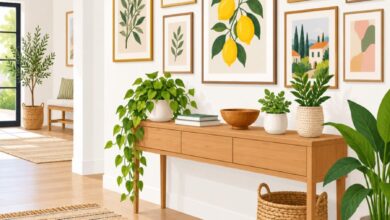
Entryway: A woven boot tray, a wooden bench, and a textured wall hook rail turn a transitional space into a warm first impression rather than an afterthought.
Seasonal adjustment keeps the layered effect relevant year-round. The Old Farmer’s Almanac notes that seasonal shifts in light and humidity affect how natural materials like wood and wool perform indoors, which is worth considering when selecting textures for different times of year.
Common Mistakes to Avoid When Layering Texture
Even well-intentioned attempts at tactile layering techniques can go wrong without a bit of restraint and planning. Awareness of these common pitfalls will save you time and money.
Overloading one texture type: Too much of a single material, such as an entire room of chunky knit textiles, can feel heavy and one-dimensional rather than layered.
Ignoring scale: Pairing a massive chunky rug with delicate, small accessories creates visual imbalance. Match the scale of your textures to the scale of your furniture.
Forgetting negative space: Warm minimalism still requires breathing room. Leave empty wall space and open floor areas so the textured elements you do include can stand out.
Neglecting plant health: Droopy, underwatered plants undercut the lush, intentional feel of a textured room. Consistent care, including proper watering habits, keeps foliage looking full and vibrant.
Final Thoughts on Building a Warmer Minimalist Home
Mastering tactile layering techniques is less about following strict rules and more about training your eye to notice texture the way you already notice color. Once you start layering jute against linen, matte against sheen, and rigid foliage against soft textiles, you will see your space transform from flat and sparse into warm and dimensional.
Start small. Choose one room, apply two or three of the techniques above, and live with the results for a week before adjusting further. Warm minimalism is a practice of editing and refining, not an overnight transformation.
With patience and a thoughtful eye for texture, your home can achieve the quiet, grounded warmth that makes minimalist spaces feel genuinely comfortable rather than simply empty.