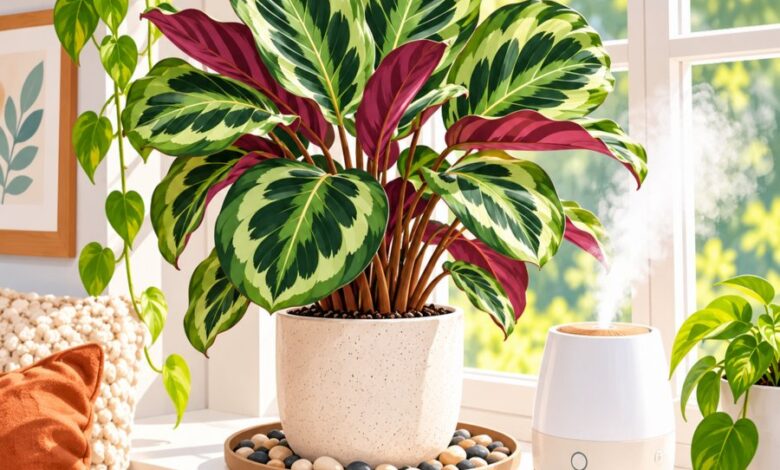
If your calathea leaves are curling, browning, or looking more sad than stunning, low humidity is almost always the culprit. These tropical beauties evolved in the steamy understory of rainforests, and recreating that moisture-rich environment indoors is the single biggest factor in their survival. In this guide, we’re sharing six high-impact calathea humidity hacks that will protect delicate foliage, revive crispy edges, and keep your prayer plants thriving all year long.
Why Calathea Humidity Hacks Matter More Than Watering
Most new plant parents assume wilting or browning calathea leaves mean the plant needs more water. In reality, the issue is almost always atmospheric moisture, not soil moisture.
Calatheas are native to tropical regions of South America and Africa, where ambient humidity regularly sits above 60 percent. The average American or European home, especially during winter heating season, hovers closer to 30 to 40 percent.
That gap is exactly why calathea humidity hacks are essential rather than optional. Without intervention, the plant’s thin, delicate leaves lose moisture faster than the roots can replace it, leading to the telltale prayer plant crispy edges that frustrate so many houseplant enthusiasts.
Understanding this distinction changes everything about how you care for the plant. You’re not just watering a calathea, you’re managing a microclimate.
Hack One: Master the Pebble Tray Humidity Method
The classic pebble tray humidity trick remains one of the easiest, lowest-cost solutions for boosting moisture around your calathea without any electronics or ongoing maintenance.
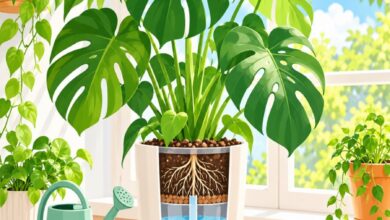
To build one, fill a shallow tray or saucer with decorative pebbles or river stones. Add water until it reaches just below the top of the stones, then set your potted calathea directly on top.
As the water evaporates, it creates a gentle pocket of humidity that surrounds the lower leaves and stem. The key detail many people miss: the pot’s drainage holes should never sit directly in the water, or you risk root rot.
Pro tip: Refill the tray every few days, and clean it monthly to prevent algae or mineral buildup. While a pebble tray alone won’t solve a severely dry room, it’s a reliable supporting layer in any humidity strategy.
Hack Two: Group Plants to Create a Humid Microclimate
Plants naturally release moisture into the air through a process called transpiration. When you cluster several humidity-loving plants together, they effectively humidify each other.
Pair your calathea with other tropical companions like ferns, peace lilies, or alocasias. Position them close enough that their leaves nearly touch, forming a dense, leafy pocket of trapped moisture.
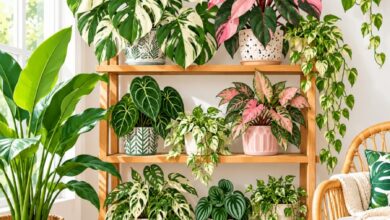
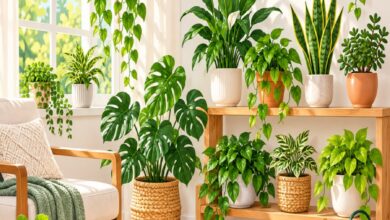
This grouping technique is one of the most underrated calathea humidity hacks because it requires zero equipment and actually improves the aesthetic of your plant display. A lush, layered arrangement looks far more intentional than a single lonely pot.
Just be mindful of airflow. Plants crammed too tightly together without any air circulation can invite fungal issues, so leave a small gap for ventilation even within a grouped display.
Hack Three: Invest in a Compact Room Humidifier
If you’re serious about long-term calathea health, a small cool-mist humidifier is the single most effective upgrade you can make. Unlike pebble trays or misting, a humidifier delivers consistent, measurable results.
Place the unit a few feet away from your plant, running it for several hours a day or on a timer. Aim to maintain relative humidity between 50 and 70 percent, which is the sweet spot calatheas thrive in.
A simple hygrometer, available inexpensively at most hardware or garden stores, lets you track humidity in real time rather than guessing. This small investment removes the guesswork from your entire humidity strategy.
According to horticultural experts at the Royal Horticultural Society, maintaining consistent ambient humidity is one of the most reliable ways to prevent leaf browning in tropical houseplants, reinforcing why a dedicated humidifier often outperforms manual methods.
Hack Four: Build an Indoor Greenhouse Cabinet for Total Control
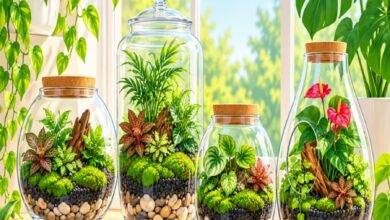
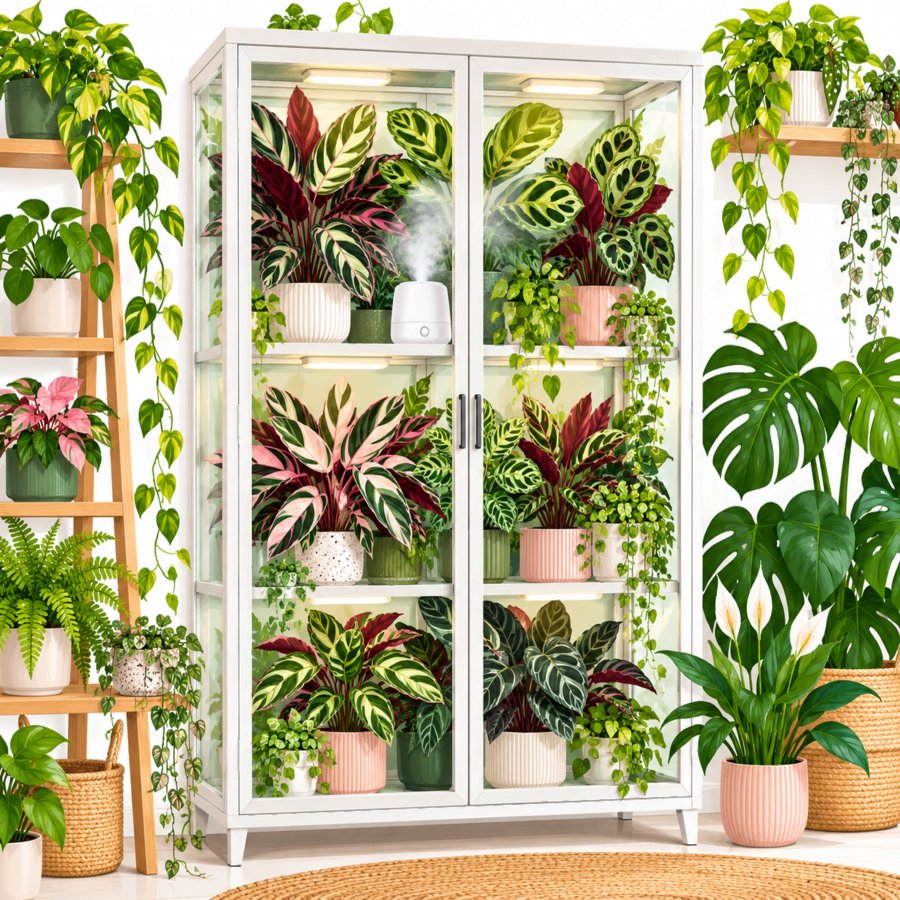
For plant collectors who want gallery-worthy results, an enclosed display cabinet offers the ultimate solution. These clever indoor greenhouse cabinet tips have become increasingly popular among serious calathea enthusiasts, and for good reason.
An enclosed cabinet with glass doors traps humidity far more efficiently than any open-room method. Many hobbyists repurpose IKEA display cabinets, fitting them with small clip fans for airflow and grow lights for supplemental lighting.
Key setup tips: Add a small humidifier or moist sphagnum moss inside the cabinet, include a hygrometer for monitoring, and crack the doors open briefly each day to prevent stagnant air and fungal growth.
If you love DIY home projects that blend function with style, this cabinet concept pairs beautifully with other architectural upgrades. For a similar design-forward approach to home improvement, check out these creative faux beam ceiling ideas that add rustic charm while keeping your interior cohesive and intentional.
Of all the calathea humidity hacks on this list, the greenhouse cabinet method delivers the most dramatic and consistent results, particularly for rare or especially humidity-sensitive calathea varieties like the White Fusion or Beauty Star.
Hack Five: Choose the Right Bathroom or Kitchen Spot
Sometimes the simplest hack is simply relocating your plant. Bathrooms and kitchens naturally generate higher humidity from showers, dishwashing, and cooking steam.
If your bathroom has a window with bright, indirect light, it can become an ideal calathea habitat with zero extra effort. The steam from daily showers provides a consistent humidity boost throughout the week.
Kitchens work similarly well, especially near a sink where water splashes and steam from cooking naturally rise. Just keep your calathea away from direct heat sources like stovetops or ovens.
This passive approach to calathea humidity hacks costs nothing and requires no daily maintenance, making it perfect for busy plant parents who want low-effort, high-reward solutions.
Hack Six: Mist Strategically, Not Excessively
Misting is often the first humidity hack people try, but it’s also the most misunderstood. A quick spray provides only a few minutes of elevated humidity before evaporating completely.
Used alone, misting does little to solve chronic dryness. But used strategically, in combination with other methods on this list, it becomes a useful supplemental tool rather than a standalone fix.
Mist in the early morning so leaves have time to dry before evening, which helps prevent fungal spots. Use room-temperature filtered or distilled water, since tap water minerals can leave white residue on delicate foliage.
Avoid misting directly onto flowering portions or newly unfurled leaves, as these tender tissues are more prone to spotting. Think of misting as the finishing touch on a broader humidity plan, not the main event.
Recognizing and Reversing Prayer Plant Crispy Edges
Even with the best intentions, you may still notice prayer plant crispy edges developing on older leaves. The good news is that this damage is rarely permanent or fatal to the overall plant.
Crispy, browning margins typically signal a combination of low humidity, inconsistent watering, or mineral buildup from tap water. Trim affected leaves with clean, sharp scissors, cutting at an angle to mimic the leaf’s natural shape.
Removing damaged foliage isn’t just cosmetic, it redirects the plant’s energy toward producing healthy new growth instead of trying to repair tissue that’s already dead.
Once you implement consistent calathea humidity hacks, you should notice new leaves emerging fuller, glossier, and far less prone to the crispy edges that plagued the plant before. Patience is essential, as calatheas typically only produce a few new leaves per month.
Building a Long-Term Humidity Routine
The most successful calathea owners don’t rely on a single trick, they layer several methods together into a sustainable routine. Combine a humidifier with occasional misting, a well-placed pebble tray, and thoughtful plant grouping for maximum effect.
Seasonal adjustments matter too. Winter heating systems dry out indoor air dramatically, so you may need to run your humidifier longer or move plants away from heating vents during colder months.
Resources like the Old Farmer’s Almanac also offer helpful seasonal guidance on indoor growing conditions that can complement your calathea care calendar throughout the year.
Ultimately, consistency beats intensity. A moderate, steady humidity level maintained year-round will protect your calathea’s delicate foliage far better than sporadic, extreme interventions.
With these six calathea humidity hacks in your toolkit, you’re well equipped to transform a struggling, crispy-leafed plant into a vibrant, thriving centerpiece that showcases exactly why calatheas remain one of the most beloved foliage plants in home gardening today.