The Top Foodscaping Garden Mistakes Ruining Your Edible Yard
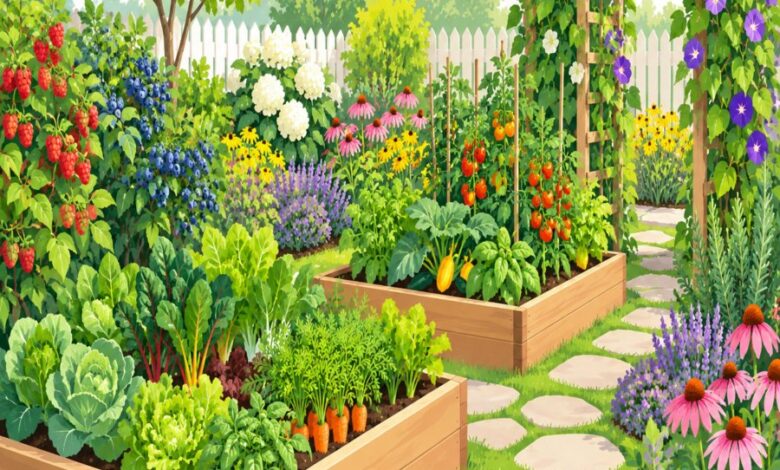
Foodscaping has transformed countless front lawns into gorgeous, productive landscapes that feed families and delight the eyes. Unfortunately, the most common foodscaping garden mistakes can quietly sabotage even the most enthusiastic gardener’s efforts. From poor plant placement to neglecting soil health, these errors often turn a promising edible yard into a tangled, underperforming mess. This guide walks you through every pitfall, and how to correct it, so your edible landscape thrives season after season.
Whether you’re just starting out or renovating an existing bed, understanding these issues early will save you time, money, and plenty of frustration. Let’s dig into what goes wrong and how to build a beautiful, bountiful edible yard the right way.
Mistake One: Skipping a Real Edible Landscaping Design Plan
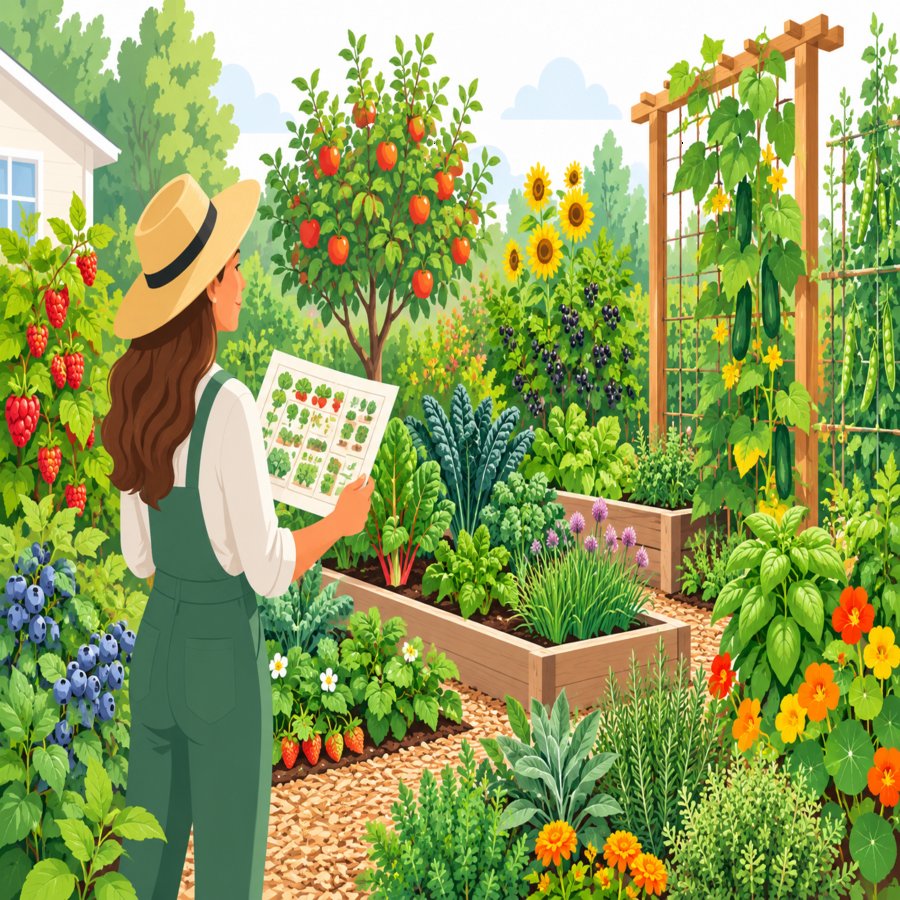
One of the most frequent foodscaping garden mistakes is jumping straight into planting without a thoughtful layout. Many homeowners buy a cart full of seedlings and plunk them wherever there’s open ground, only to discover later that taller plants shade out sun-loving crops.
A successful edible landscaping design considers sun exposure, mature plant height, root depth, and seasonal bloom times before a single seed goes into the soil. Sketch your yard on paper first, noting where the sun travels throughout the day.
Plan in layers. Think of your yard like a forest: tall trees or trellised vines at the back, mid-height shrubs in the middle, and low groundcovers or herbs in front. This layered approach mimics natural ecosystems and maximizes every inch of growing space.
Map your sunlight. Most fruiting vegetables need six to eight hours of direct sun, while leafy greens tolerate partial shade. Skipping this step is one of the quickest ways to doom your harvest before it even begins.
Mistake Two: Ignoring Perennial Vegetable Borders
Many new foodscapers focus exclusively on annual vegetables, replanting their entire garden every single spring. This overlooks one of the smartest strategies in edible gardening: perennial vegetable borders.
Asparagus, rhubarb, artichokes, and perennial onions return year after year with minimal replanting effort. Using them as structural borders around your annual beds creates a permanent framework that anchors your landscape design visually and practically.
Why borders matter. A well-planned perennial border defines pathways, reduces yearly labor, and provides consistent structure even during the off-season when annual beds look bare.
Combine textures. Pair feathery asparagus fronds with the bold, architectural leaves of rhubarb for visual contrast that rivals any ornamental garden. This is edible landscaping at its most elegant.
Neglecting this layer of your landscape is one of the more overlooked foodscaping garden mistakes, yet fixing it is as simple as dedicating one sunny strip to perennial crops this season.
Mistake Three: Poor Fruit Shrub Layout and Spacing
Berry bushes and dwarf fruit shrubs are foodscaping favorites, but a careless fruit shrub layout leads to overcrowding, poor airflow, and disappointing yields. Blueberries, currants, and gooseberries need room to spread without competing for nutrients.
Cramming shrubs together might look lush initially, but within two years, dense foliage traps moisture and invites fungal disease. Always check the mature spread listed on plant tags and add at least 20 percent extra room for airflow.
Group by water needs. Blueberries prefer acidic, consistently moist soil, while currants tolerate drier conditions. Mixing shrubs with opposing watering needs in the same bed strains both plants.
Use shrubs as living fences. A row of thornless blackberries or serviceberries can double as a privacy hedge, merging function with beauty, a hallmark of smart edible design.
According to the Royal Horticultural Society, proper spacing and pruning dramatically improve fruit set and reduce disease pressure in home orchards and berry patches alike.
Mistake Four: Neglecting Soil Health Before Planting
Soil is the foundation of every thriving edible yard, yet it’s frequently an afterthought. Rushing to plant in compacted, nutrient-poor dirt is among the most damaging foodscaping garden mistakes a gardener can make.
Before planting anything, test your soil’s pH and texture. Most vegetables and fruiting shrubs prefer slightly acidic to neutral soil, somewhere between 6.0 and 7.0 on the pH scale.
Amend generously. Work several inches of compost into every new bed before planting. This single step improves drainage, boosts microbial life, and feeds plants slowly over the entire growing season.
Mulch consistently. A two to three inch layer of straw or wood chip mulch retains moisture, suppresses weeds, and gradually breaks down to enrich the soil beneath it.
Skipping soil preparation is a shortcut that always costs more time later, as stressed plants become magnets for pests and disease.
Mistake Five: Overlooking Companion Planting and Crop Diversity
Monoculture rows might work on a commercial farm, but in a residential foodscape, planting the same crop in a solid block invites pests to feast uninterrupted. Diversity is your best natural defense.
Interplant marigolds with tomatoes to deter nematodes, or tuck basil among your peppers to confuse aphids. These companion pairings aren’t folklore; they’re backed by generations of practical gardening wisdom.
Rotate your crops. Growing the same vegetable family in the same spot year after year depletes specific nutrients and builds up soil-borne pathogens. Rotate nightshades, legumes, and brassicas on a three-year cycle.
Attract pollinators. Dedicate a small corner to flowering herbs like borage or lavender. Pollinator activity directly increases fruit set on your berry shrubs and vegetable blossoms.
The Old Farmer’s Almanac offers reliable regional planting calendars that help you time companion crops for maximum compatibility and yield.
Mistake Six: Forgetting Vertical Space and Structural Support
Many edible yards feel cramped simply because gardeners think only in two dimensions. Vertical structures, like trellises, arbors, and tiered planters, dramatically expand your growing capacity without claiming more ground footprint.
Cucumbers, pole beans, and indeterminate tomatoes all perform beautifully when trained upward. This technique also improves airflow around foliage, reducing mildew and rot.
Repurpose indoor furniture outdoors. If you’re searching for affordable tiered planting solutions, this clever repurposed bookcase planter idea shows how a simple shelving unit can become a stunning vertical herb and vegetable display on a patio or porch.
Build sturdy supports. Flimsy trellises collapse under the weight of a mature squash vine. Invest in cedar, galvanized steel, or cattle panel structures that last for many seasons.
Failing to use vertical space is one of the easiest foodscaping garden mistakes to fix, and one of the most rewarding once corrected.
Mistake Seven: Choosing Form Over Function in Design
It’s tempting to prioritize pure aesthetics when designing a front-yard edible landscape, but beauty and productivity aren’t mutually exclusive. Choosing ornamental varieties that produce little actual food is a classic trap.
Instead, select dual-purpose plants that offer both visual appeal and a generous harvest. Rainbow chard, purple basil, and scarlet runner beans deliver vibrant color alongside genuinely useful yields.
Define clear pathways. Gravel, mulch, or stepping-stone paths keep your foodscape looking intentional and tidy, rather than wild and overgrown, which can concern neighbors or homeowners’ associations.
Edge your beds. A crisp edge of brick, metal, or timber instantly elevates a casual vegetable patch into a polished landscape feature, bridging the gap between farm and formal garden.
Balancing form and function resolves one of the subtler foodscaping garden mistakes that quietly undermines curb appeal in otherwise productive yards.
Mistake Eight: Underestimating Maintenance and Seasonal Upkeep
A foodscape isn’t a one-and-done project; it’s a living system that demands ongoing attention. Gardeners who underestimate pruning, weeding, and seasonal cleanup often watch their beautiful design decline within a single year.
Set aside a consistent weekly maintenance window rather than tackling everything in exhausting weekend marathons. Small, regular efforts prevent small problems from becoming overwhelming ones.
Prune fruit shrubs annually. Dormant-season pruning on berry bushes encourages stronger new growth and higher fruit yields the following summer.
Refresh mulch each spring. Replenishing mulch layers suppresses emerging weeds before they compete with your vegetables for nutrients and water.
The Better Homes & Gardens seasonal checklists are an excellent resource for staying ahead of regional maintenance tasks throughout the year.
Ultimately, avoiding common foodscaping garden mistakes comes down to patience, planning, and consistency. With a thoughtful edible landscaping design, well-placed perennial vegetable borders, and a smart fruit shrub layout, your yard can become both a visual showpiece and a genuine source of fresh, homegrown food for years to come.