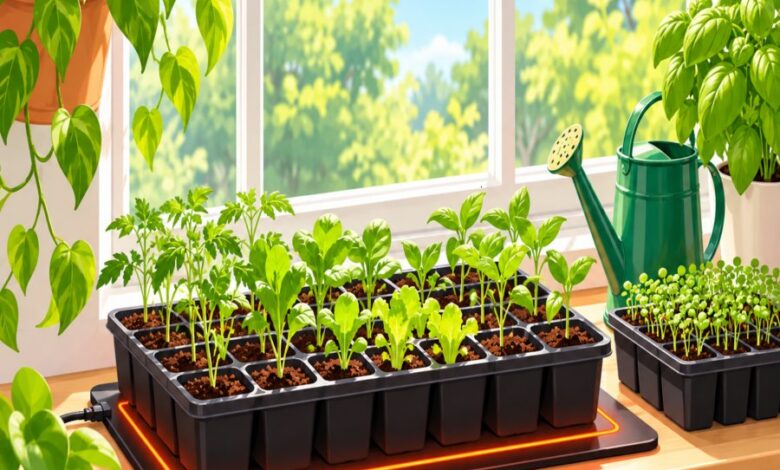
Every spring, hopeful gardeners fill trays with soil and dreams, only to watch tiny seedlings collapse overnight. These common seed starting blunders are far more widespread than most people realize, and they are the hidden culprits behind countless failed growing seasons. Understanding where things go wrong is the first step toward a thriving indoor nursery.
In this comprehensive guide, we’ll dig into the exact mistakes that invite fungal disaster, how to recognize the warning signs early, and the proven fixes that professional growers swear by. By the end, you’ll have a complete roadmap to seedling success.
Understanding the Most Common Seed Starting Blunders
Before you can fix a problem, you need to recognize it. Most seed starting blunders stem from a handful of repeated habits that gardeners don’t even realize are harmful.
Overwatering Out of Anxiety is perhaps the single biggest offender. New gardeners often panic when soil looks dry on the surface and reach for the watering can far too often, drowning tender roots before they can establish.
Poor Air Circulation is another silent killer. Crowded trays sitting in stagnant, humid air create the perfect breeding ground for fungal spores that attack at the soil line.
Reusing Dirty Containers without proper sanitizing carries over pathogens from last season’s failures, setting new seedlings up for the exact same fate.
Damping Off Seedling Fungal Rot Explained
The dreaded damping off seedling fungal rot is a disease caused by several soil-borne pathogens, including Pythium, Fusarium, and Rhizoctonia species. These organisms thrive in cool, wet, poorly ventilated conditions.
Symptoms typically appear as a thin, water-soaked, pinched stem right at the soil surface. Within hours, a perfectly healthy seedling can topple over and shrivel, as if an invisible hand snapped it in half.
There are actually two forms of this disease worth knowing. Pre-emergent damping off kills seeds before they ever break the surface, leaving gardeners puzzled about why nothing sprouted at all.
Post-emergent damping off, on the other hand, strikes after germination and is the more visually dramatic version, wiping out entire trays in a single weekend.
According to the Royal Horticultural Society, maintaining proper hygiene and airflow around young plants is one of the most effective preventative strategies against fungal pathogens of this kind.
Why Sterile Seed Starting Mix Matters More Than You Think
One of the most overlooked seed starting blunders is using garden soil or old potting mix straight from last year’s bag. These materials are often teeming with fungal spores just waiting for warm, moist conditions to activate.
Investing in a quality sterile seed starting mix eliminates this risk entirely. These specially formulated blends are typically heat-treated or chemically sterilized to kill off pathogens before they ever touch your seeds.
Look for Lightweight Texture when shopping for mix. A good sterile seed starting mix should feel fluffy and airy, usually composed of peat moss or coconut coir, perlite, and vermiculite.
Avoid Compost-Heavy Blends for the seed starting stage. While compost is wonderful for mature plants, it’s often too rich and biologically active for fragile seedlings, increasing fungal risk dramatically.
Never reuse mix from a previous batch that experienced rot. Even a small amount of contaminated material can reintroduce the same fungal spores into your fresh setup.
The Truth About Indoor Seedling Heat Mats
Temperature plays a surprisingly large role in fungal development, and many gardeners misuse their equipment without realizing it. Indoor seedling heat mats are fantastic tools, but only when used correctly.
The goal of indoor seedling heat mats is to warm the root zone to an ideal germination range, typically between 70 and 80 degrees Fahrenheit depending on the species being grown.
Pair Heat With Ventilation always. Warm, trapped moisture without airflow is essentially a fungal incubator, so never place a humidity dome over mats without occasionally venting it.
Remove Mats After Germination in most cases. Once sprouts appear, excessive bottom heat can actually weaken stems and make them more susceptible to the very rot you’re trying to avoid.
Using a simple thermostat controller with your indoor seedling heat mats prevents overheating, which is itself one of the sneakier seed starting blunders that stresses young plants unnecessarily.
Watering Mistakes That Fuel Seed Starting Blunders
Water management is where most beginners stumble the hardest, and it deserves a dedicated, deeper look beyond the earlier overview.
Bottom Watering Beats Top Watering for seedlings every time. Pour water into the tray beneath your pots and let the sterile seed starting mix absorb moisture upward through capillary action.
This technique keeps the vulnerable soil surface drier, which directly discourages the fungal spores responsible for damping off seedling fungal rot from gaining a foothold.
Check Weight, Not Just Appearance before watering again. Lift the tray; if it still feels heavy, hold off even if the surface looks slightly dry.
Use Room Temperature Water rather than cold tap water straight from the faucet, since cold shocks can stress roots and make them more vulnerable to disease.
The team at Better Homes & Gardens frequently emphasizes that consistency, not frequency, is the key to healthy watering habits for young plants.
Airflow, Light, and Spacing Errors to Avoid
Beyond water and temperature, physical spacing and air movement play a massive role in whether fungal problems take hold.
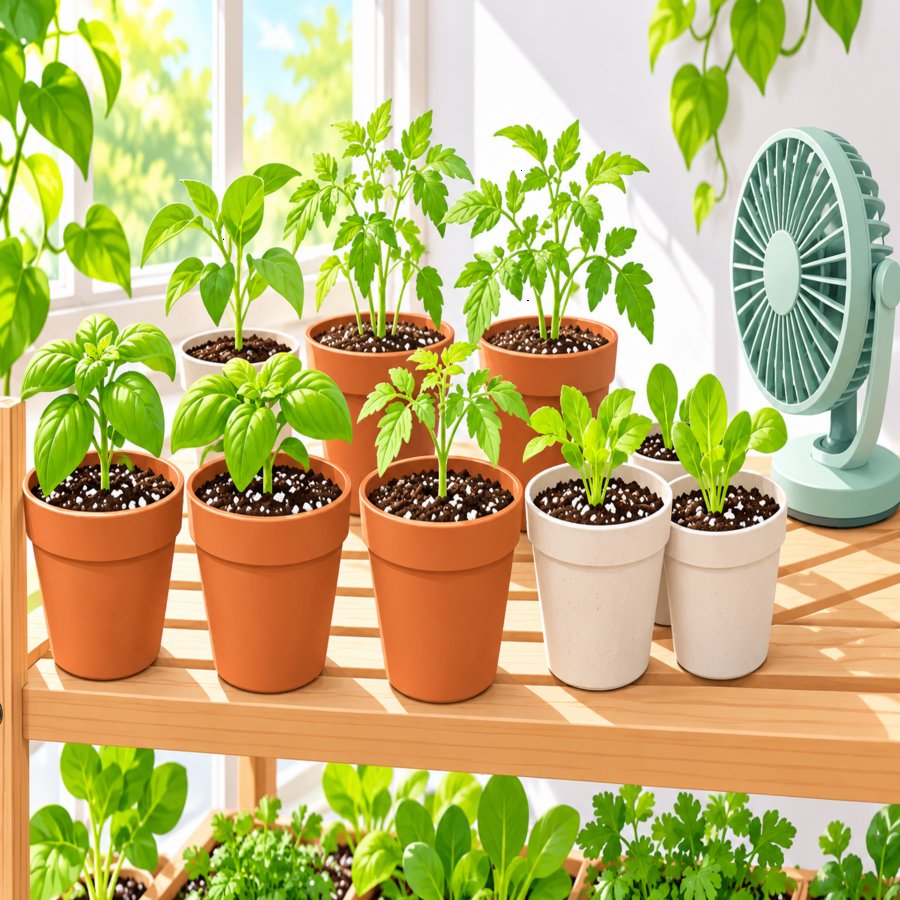
Run a Small Fan Nearby on a low setting for a few hours each day. Gentle air movement strengthens stems and dramatically reduces the humid microclimate fungi need to spread.
Thin Crowded Seedlings Promptly rather than letting multiple sprouts compete in one small cell. Overcrowding blocks airflow and creates shaded, damp pockets at soil level.
Position Grow Lights Close but not touching, roughly two to four inches above the leaves. Insufficient light causes leggy, weak growth that collapses easily under its own stress.
If you’re organizing a growing station in a tight apartment, repurposing shelving is a brilliant space-saving solution; many gardeners have found great success adapting furniture using these clever bookcase shelving ideas for a DIY plant nursery to create tiered, well-lit growing stations.
Hygiene Habits That Prevent Seed Starting Blunders
Sanitation is the unsung hero of successful seed starting, and skipping it is one of the most preventable seed starting blunders a gardener can make.
Wash Trays With Diluted Bleach before each new season. A solution of one part bleach to nine parts water, followed by a thorough rinse, kills lingering fungal spores on plastic surfaces.
Sanitize Your Tools Too including scissors, dibbers, and watering cans. Fungal spores can travel on any surface that touches contaminated soil or diseased plant tissue.
Wash Hands Between Batches when handling multiple seed varieties, especially if one tray has already shown signs of trouble.
The Old Farmer’s Almanac has long recommended starting with clean containers as a foundational step, one that many impatient gardeners skip when rushing the planting season.
Recovery Steps When Rot Has Already Struck
Sometimes, despite your best efforts, you’ll spot the telltale pinched stems of damping off seedling fungal rot. Quick action can still save part of your tray.
Remove Affected Seedlings Immediately using sanitized tweezers, and discard them along with the surrounding soil to stop the spores from spreading to neighbors.
Reduce Watering Frequency drastically for the remaining seedlings, and increase airflow immediately with a fan or by removing any humidity dome.
Apply Cinnamon or Chamomile as a natural antifungal dusting on the soil surface. Many organic gardeners swear by cinnamon’s mild fungicidal properties as a gentle intervention.
The USDA also notes that resistant seed varieties and proper crop rotation practices can reduce the recurrence of soil-borne pathogens in future growing cycles.
Start a Fresh Backup Tray with sterile seed starting mix the moment you notice trouble, so you have healthy seedlings ready if the original batch doesn’t recover.
Building a Foolproof Routine Going Forward
The best defense against future seed starting blunders is a repeatable, disciplined routine that removes guesswork from the equation entirely.
Keep a Simple Grow Journal noting watering dates, temperatures, and any issues observed. Patterns become obvious quickly, helping you catch problems before they escalate.
Label Everything Clearly with waterproof markers, since knowing exactly what you planted and when helps you anticipate germination timelines accurately.
Inspect Daily, Even Briefly for just a minute or two each morning. Early detection is everything when it comes to fungal threats that spread within hours.
With sterile seed starting mix, properly managed indoor seedling heat mats, and consistent airflow, you’ll find that most seed starting blunders become easy to sidestep entirely. Your reward will be trays bursting with strong, healthy seedlings ready for the garden.