
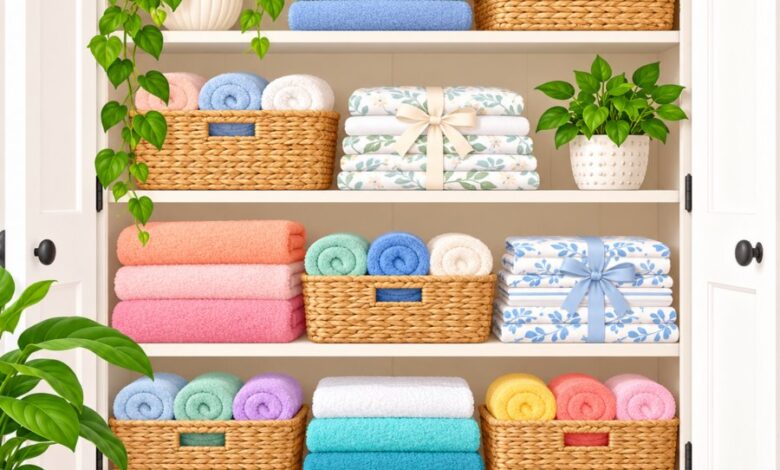
Open almost any linen closet in America and you’ll find the same quiet tragedy: beautiful, expensive bedding slowly degrading from improper storage. Linen closet storage blunders are more common than most homeowners realize, and they’re silently shortening the lifespan of sheets, towels, and duvet covers that cost a small fortune. The good news is that every one of these mistakes is fixable, often without spending a dime on new organizing products. In this guide, we’ll walk through the ten most damaging linen closet storage blunders, explain exactly why they hurt your fabrics, and show you simple, practical fixes that any homeowner can implement this weekend.
Whether you’re dealing with a cramped hallway closet or a generous walk-in linen pantry, the principles of proper fabric care remain the same. Airflow, organization, and gentle handling are the three pillars that separate a closet that preserves your investment from one that quietly destroys it.
Why Linen Closet Storage Blunders Cost You More Than You Think
A quality set of cotton or linen sheets can easily run $80 to $300, and premium duvet covers often cost even more. When these textiles are stored incorrectly , they develop yellowing, musty odors, permanent creases, and weakened fibers years before their time.
Most people blame wear and tear from washing, but the truth is that linen closet storage blunders are often the real culprit behind premature fabric failure. A closet that’s too humid, too tightly packed, or poorly ventilated can undo all the good that gentle laundering accomplishes.
Think of your linen closet the same way you’d think of a pantry for food. Proper fabric preservation requires the right environment, the right containers, and the right habits. Get those three elements right, and your bedding will outlast the national average by years.
Blunder #1: Overstuffing Shelves Until Air Can’t Circulate
The single most common mistake homeowners make is cramming every shelf to capacity. It feels efficient, but packed-tight linens trap moisture and body heat residue against each other, creating the perfect environment for mustiness and mildew.
The Fix : Leave at least an inch or two of breathing room between stacks. A good rule of thumb is to only fill shelves to about 80 percent of their capacity, leaving a visible gap at the front edge for air to move through naturally.
If your closet simply doesn’t have enough shelf space for your current linen collection, it may be time to edit your inventory rather than force everything in. Donate sets you haven’t used in over a year, and keep only what fits comfortably with room to spare.
Blunder #2: Skipping Sheet Folding Hacks That Prevent Creasing
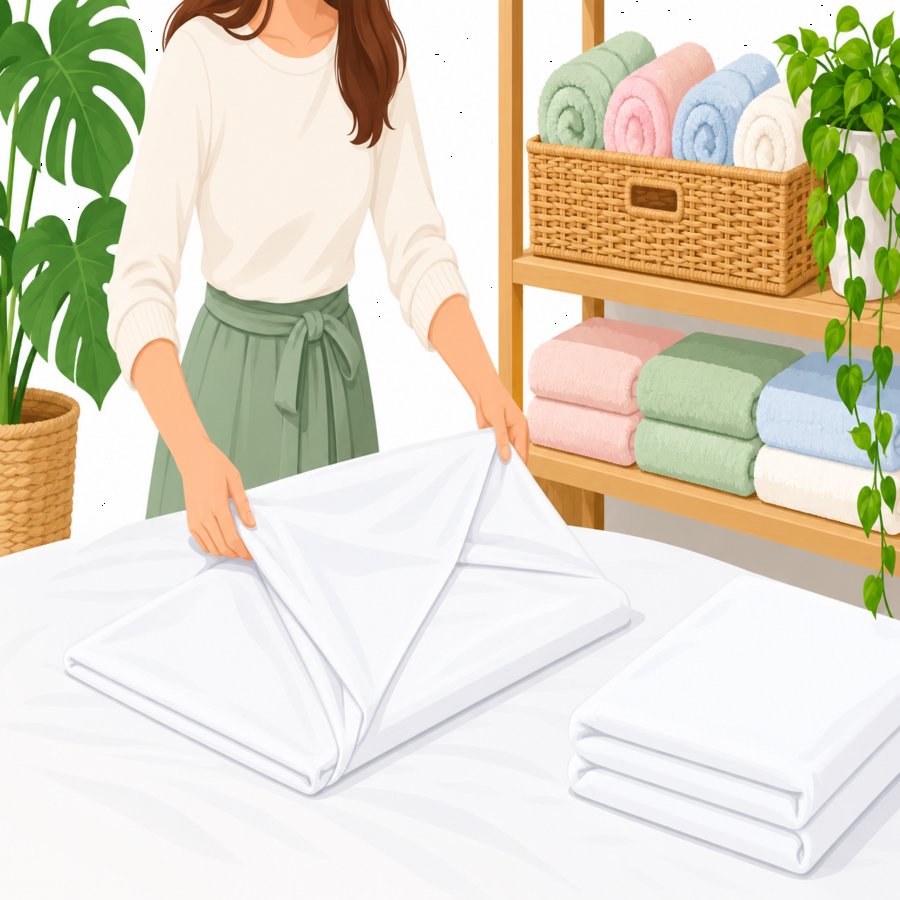
Most people fold sheets into loose, bulky rectangles that take up excessive space and develop deep, permanent creases over time. These creases weaken fibers along the fold lines, which is why sheets often tear first along an old crease.
Smart sheet folding hacks can solve this instantly. Try the “envelope method,” where a flat sheet is folded into thirds lengthwise, then into a neat rectangle, and tucked into one of its own pillowcases. This keeps a full matching set together and eliminates the mystery of hunting for a stray fitted sheet.
Rolling sheets instead of folding them is another excellent option, especially for jersey knit or microfiber sheets that wrinkle easily. Rolled linens also make it far easier to see your full inventory at a glance instead of digging through flat stacks.
For fitted sheets specifically, tuck the elastic corners inside each other before folding to avoid the lumpy, misshapen bundle that so often results. A little practice with these sheet folding hacks pays off every single time you open the closet door.
Blunder #3: Storing Linens Without Towel Storage Bins or Dividers
Loose towels stacked directly on open shelves topple easily, and once one stack falls, chaos spreads across the entire closet. This also means towels are exposed to dust settling from above, requiring an extra wash before use even when they’re technically clean.
The Fix : Invest in sturdy towel storage bins to corral each category separately. Bath towels in one bin, hand towels in another, and washcloths in a smaller container keeps everything contained, upright, and easy to grab without disturbing neighboring stacks.
Woven or canvas towel storage bins also add a layer of dust protection while still allowing some airflow, striking the right balance between tidiness and breathability. Label each bin clearly so every member of the household can put linens back exactly where they belong.
Blunder #4: Storing Damp or Not-Fully-Dried Linens
Pulling sheets or towels out of the dryer a few minutes early to save time might seem harmless, but any residual moisture trapped in folded fabric is an open invitation for mold and mildew spores. This single habit is responsible for more musty-smelling linen closets than any other factor.
The Fix : Always confirm linens are completely, bone-dry before folding and putting them away. If you’re air-drying, give fabrics an extra hour on the line or rack past the point where they feel dry to the touch, since surface dryness doesn’t always mean the inner fibers are dry too.
According to the Old Farmer’s Almanac’s home care guidance, proper drying before storage is one of the most overlooked steps in extending the life of household textiles. This small patience step prevents the majority of odor complaints homeowners report.
Blunder #5: Ignoring Fabric Preservation Basics Like Breathable Materials
Sealing your best linens in plastic storage bags might feel protective, but plastic traps humidity against the fibers and accelerates yellowing, especially on white or light-colored cotton. This is one of the sneakiest linen closet storage blunders because it looks like good organization on the surface.
Fabric preservation depends heavily on breathable storage materials. Cotton storage bags, woven baskets, and open shelving all allow air exchange that keeps fibers dry and fresh over long periods of time.
Reserve plastic bins only for seasonal linens you won’t touch for months, and even then, add a moisture absorber packet inside. For everyday-use linens, breathable fabric preservation methods will always outperform airtight plastic solutions.
Blunder #6: Mixing Fabric Weights and Seasons Without a System
Heavy flannel winter sheets jumbled together with lightweight summer percale creates visual chaos and makes every linen swap a frustrating scavenger hunt. It also means delicate summer fabrics get crushed under the weight of bulkier flannel sets.
The Fix : Designate separate shelves or bins by season or fabric weight. Keep heavier flannel and fleece sets on lower, sturdier shelves and reserve upper shelves for lightweight linen or percale that won’t get compressed.
This small organizational shift is one of the easiest linen closet storage blunders to correct, and it pays dividends every time the seasons change and you need to swap bedding quickly.
Blunder #7: Forgetting to Rotate Linens Front to Back
Most households grab whatever set is easiest to reach, which means the same two or three favorite sheet sets get used constantly while others sit untouched for years. Uneven wear leads to premature fading and thinning on your “go-to” sets while others remain stiff and barely broken in.
The Fix : Each time you put away freshly laundered sheets, place them at the back of the stack rather than the front. This simple rotation habit, similar to how grocery stores rotate perishable stock, ensures every set gets equal use and ages evenly.
Rotation also gives you an early warning system. If you notice a set near the back is looking worn when its turn finally comes up, you’ll know it’s nearing the end of its useful life before it fails unexpectedly.
Blunder #8: Placing the Linen Closet Near Heat Sources or Humidity
Many homes have linen closets located in hallways near bathrooms or laundry rooms, both of which generate significant humidity. Repeated exposure to steam and moisture can warp wooden shelving and promote mildew growth inside stacked fabric.
The Fix : If relocating the closet isn’t an option, add a small moisture-absorbing product like silica gel packets or a mini dehumidifier designed for closets. Crack the door for a few hours each week to let trapped humid air escape and fresh air circulate in.
A small battery-powered closet fan can also make a significant difference in problem closets. The goal is keeping relative humidity low enough that fabric fibers stay dry and resilient over the long term.
Blunder #9: Using Wire Shelving Without Liners
Wire shelving is popular in linen closets because it promotes airflow, but bare wire can leave unsightly ridge marks pressed into folded towels and sheets. Over time, this constant pressure point can weaken fibers exactly where the wire makes contact.
The Fix : Add inexpensive shelf liners made of breathable mesh or canvas rather than solid vinyl, which can trap moisture against the wire. This protects your fabric while still preserving the airflow benefits that make wire shelving appealing in the first place.
If you’re planning a broader closet renovation, it’s worth noting that smart organizational upgrades don’t have to be expensive. Just as homeowners discover clever and budget-friendly ways to add instant value to a kitchen, the same resourceful mindset applies beautifully to transforming a tired linen closet into a functional, fabric-friendly space.
Blunder #10: Never Taking Inventory, Leading to Overbuying and Clutter
Without a clear sense of what’s already stored, it’s easy to buy duplicate sheet sets or towels you don’t actually need. This leads to overcrowded shelves, which circles directly back to the airflow and organization problems we covered earlier.
The Fix : Once a year, pull everything out of the closet and take real inventory. Set a simple cap, such as two sheet sets per bed and a fixed number of towels per household member, and donate or repurpose anything beyond that limit.
This annual habit is the final safeguard against repeating linen closet storage blunders year after year. A right-sized collection is always easier to organize, rotate, and preserve than an overflowing one.
Building a Long-Term Fabric Preservation Routine
Fixing individual linen closet storage blunders is a great start, but lasting results come from building habits that stick. Set a recurring reminder every three months to check for musty smells, dust buildup, or overcrowding before small problems become big ones.
Consider adding cedar blocks or lavender sachets between folded stacks. These natural additions support fabric preservation by deterring moths and adding a pleasant scent without the chemical residue found in some commercial fresheners.
Create Zones That Make Sense For Your Household : Lower shelves for heavy, frequently used items like bath towels, middle shelves for sheet sets organized by bedroom, and top shelves for seasonal or guest linens used only occasionally.
The Royal Horticultural Society often emphasizes that good organization in any part of the home, much like in the garden, comes down to understanding the natural behavior of your materials and working with it rather than against it. Fabric is no exception; respect its need for airflow and gentle handling, and it will reward you with years of extended life.
Finally, resist the urge to view your linen closet as a “set it and forget it” space. A few minutes of mindful folding, rotating, and tidying each laundry day prevents the vast majority of linen closet storage blunders from ever taking root in the first place.
With these ten fixes in place, from smarter sheet folding hacks to dedicated towel storage bins and a genuine commitment to fabric preservation, your linen closet will shift from a source of quiet frustration into one of the most satisfying, well-organized corners of your entire home.