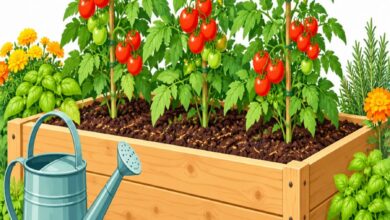
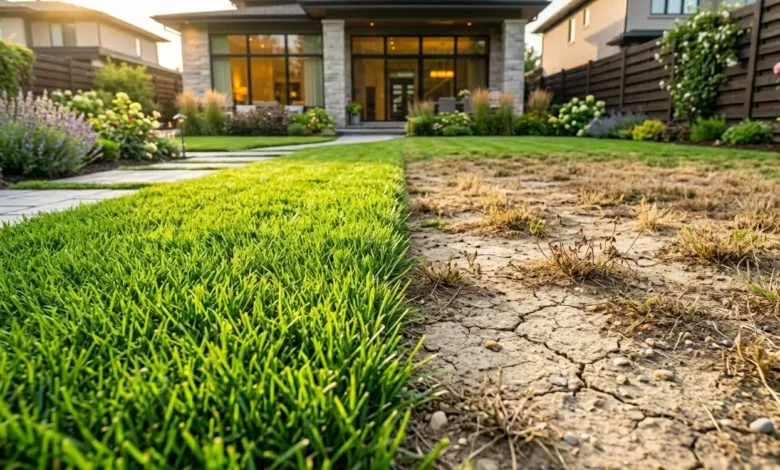
- If you are watching your prized garden slowly wither away despite adequate watering, mastering the right soil aeration techniques is your ultimate lifeline. Compacted dirt silently chokes the root systems of your favorite plants, cutting off their oxygen supply and preventing vital nutrient absorption.
Countless homeowners across the USA spend thousands on fertilizers each year, entirely missing the hidden problem lurking just below the grass blades. We are going to explore the exact methods landscape professionals use to breathe life back into suffocating turf and wilting flowerbeds.
Understanding how to properly open up your earth is the absolute foundation of a thriving, resilient garden. Whether you are dealing with heavy clay common in the Midwest or simply the wear and tear of a busy suburban backyard, roots need room to breathe. By implementing the right structural changes, you can transform a barren, hard-packed yard into a lush oasis. Let us dive deep into the specific methods that will permanently change how you manage your landscape.
Recognizing the Desperate Need for Soil Aeration Techniques
Before you can fix the issue, you must understand exactly how soil compaction destroys plant life. Over time, foot traffic, heavy rainfall, and simple gravity compress the tiny air pockets within your dirt. These micropores are essential spaces where water, oxygen, and microscopic beneficial organisms thrive. When those spaces collapse, your plants literally begin to suffocate and starve.
You will start noticing unmistakable signs when your yard reaches critical compaction levels. Puddles will form after a mild rainstorm because the water simply cannot penetrate the hardened surface layer. Your lawn might develop a spongy layer of thick thatch, or your vegetable garden will yield stunted, yellowing crops. These are desperate cries for intervention from your root systems.
If a screwdriver cannot easily pierce the top six inches of your garden beds, it is time to take immediate action. Ignoring this physical barrier will render even the most expensive fertilizers completely useless. You must break the crust to allow the ecosystem to function properly once again.
Secret 1: Mastering Core Soil Aeration Techniques
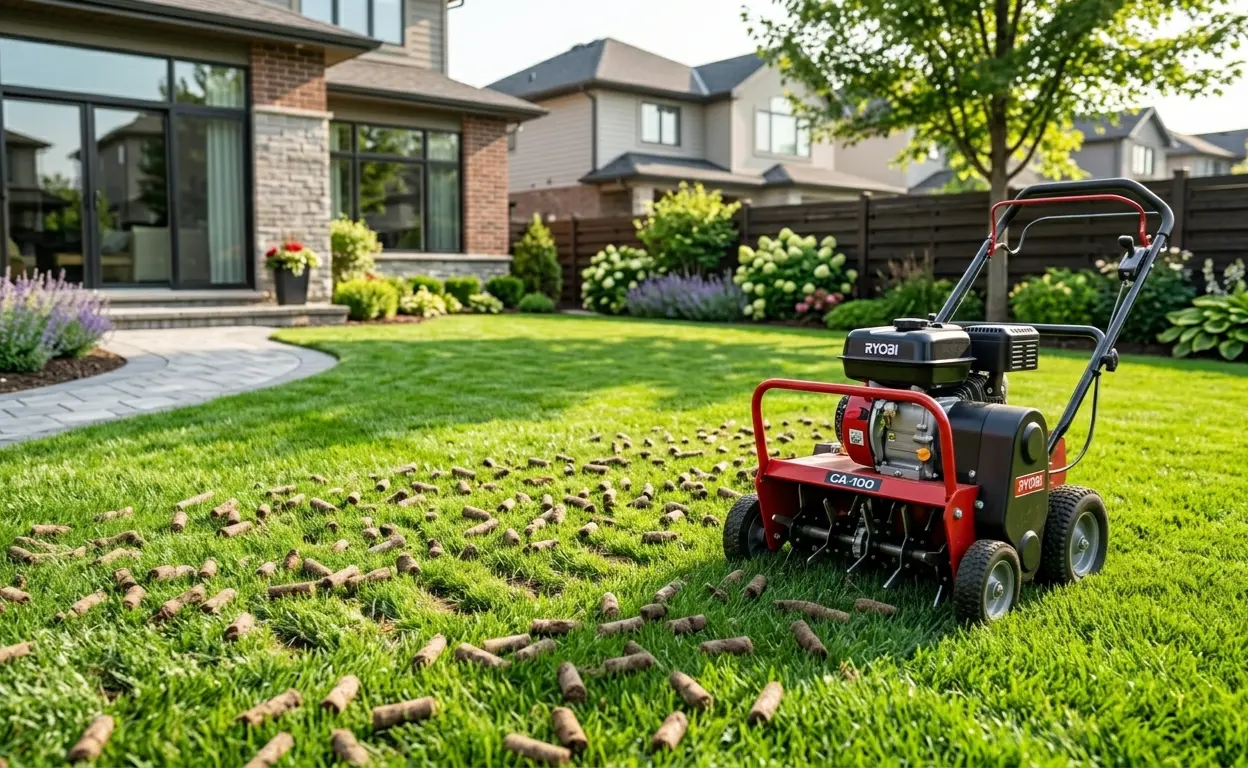
The absolute gold standard in the landscaping industry is mechanical core aeration. This process involves physically removing small plugs of dirt from the ground, instantly creating hundreds of hollow channels. These channels immediately allow air, water, and nutrients to bypass the hardened surface crust and reach the root zone.
For the average homeowner, renting a mechanical core aerator from a local hardware store is a highly cost-effective weekend project. You will want to run the machine in a grid pattern, making sure to cross over the yard in two different directions. This ensures maximum coverage and significantly disrupts the compacted layers.
proper lawn aeration practices
Leaving the extracted soil plugs on the lawn is a critical step that many beginners get wrong. These plugs contain valuable microbes and will naturally break down over a few weeks, returning their nutrients to the earth. Within just a few days of this treatment, you will notice a drastic improvement in how quickly water absorbs into your lawn.
Secret 2: Harnessing Liquid Soil Aeration Techniques
For gardeners dealing with mild compaction or those unable to manage heavy machinery, liquid aeration offers a fascinating alternative. This method utilizes specialized surfactants and chemical conditioning agents applied directly via a hose-end sprayer. These microscopic agents work by breaking down the dense structural bonds between clay particles.
While it sounds like modern magic, the science behind liquid soil aeration techniques is grounded in basic chemistry. The solution reduces the surface tension of water, allowing it to drive deeper into the earth and create microscopic fractures in the dirt. This naturally expands the micropores without physically tearing up the turf.
Read more:save your indoor plants with this 5-minute fix
Liquid methods are particularly fantastic for fragile garden beds where heavy stepping or mechanical plug removal would damage existing plants. You can safely spray these conditioners over the root zones of delicate roses, hydrangeas, and perennial borders. While it may require multiple applications throughout the growing season, the gradual loosening effect is incredibly beneficial.
Secret 3: Biological Soil Aeration Techniques and Amendments
The most sustainable way to keep your dirt permanently loose is to enlist the help of nature’s tiny plowmen. Earthworms are the undisputed champions of underground engineering, tunneling through compacted zones and leaving behind nutrient-rich castings. Encouraging a robust earthworm population will solve many of your compaction issues organically.
To attract these beneficial creatures, you must provide them with a steady diet of high-quality organic matter. Topdressing your yard or garden beds with a thin layer of screened compost introduces the exact food source these organisms crave. As they travel up to eat the compost and down to seek shelter, they naturally create vital oxygen channels.
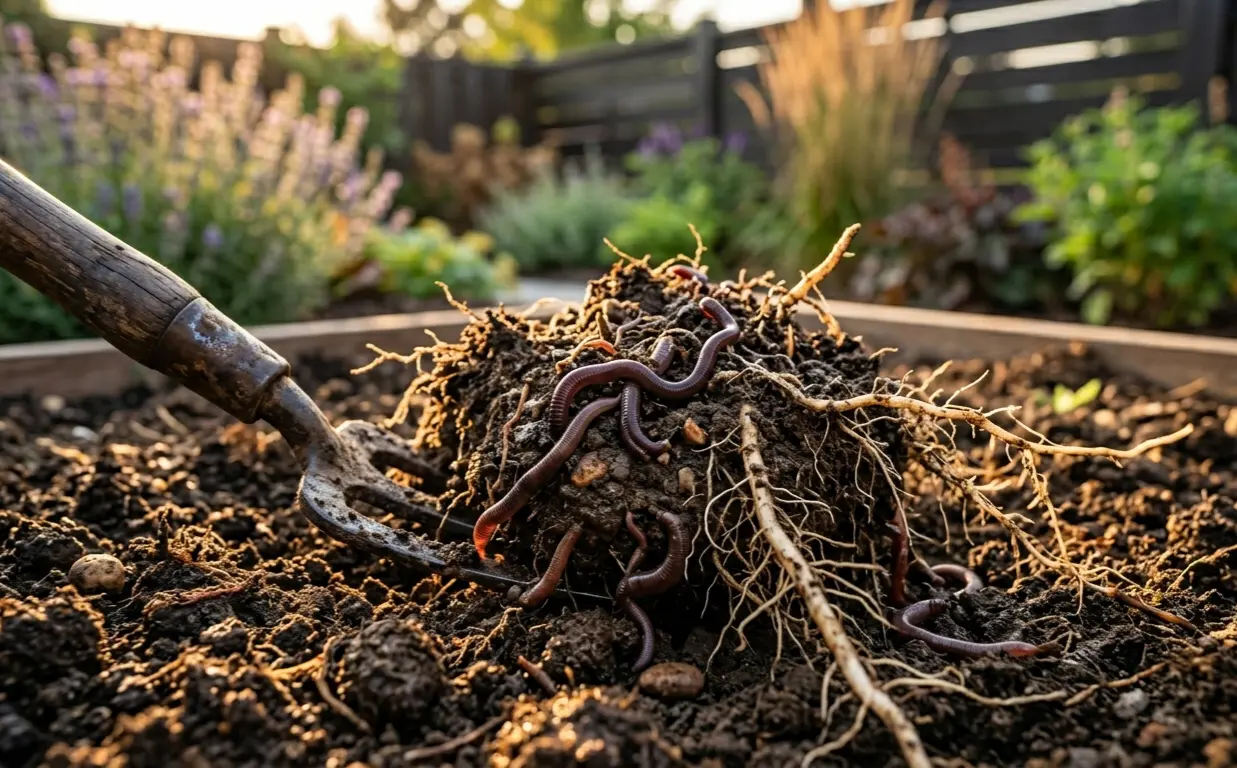
Incorporating cover crops is another brilliant biological strategy for vegetable gardens during the off-season. Planting deep-rooted radishes or clover in the fall allows their aggressive taproots to naturally drill through hardpan layers. When these cover crops die back in the winter, their decaying roots leave behind perfect, deep vertical channels for spring planting.
Secret 4: Strategic Spiking and Slit Methods
While core removal is generally preferred, spiking and slit aeration have very specific and highly useful applications. Spiking involves driving solid metal tines into the ground to push the dirt aside and create temporary holes. Slit aeration uses star-shaped blades to slice through the turf canopy and root zone without removing plugs.
These specific soil aeration techniques are incredibly useful for temporary relief during the sweltering heat of summer. High-traffic areas, like the path from your back door to the grill, often become rock-hard and repel irrigation water. A quick pass with a spiking tool allows summer rainfall and sprinkler water to penetrate instead of running off.
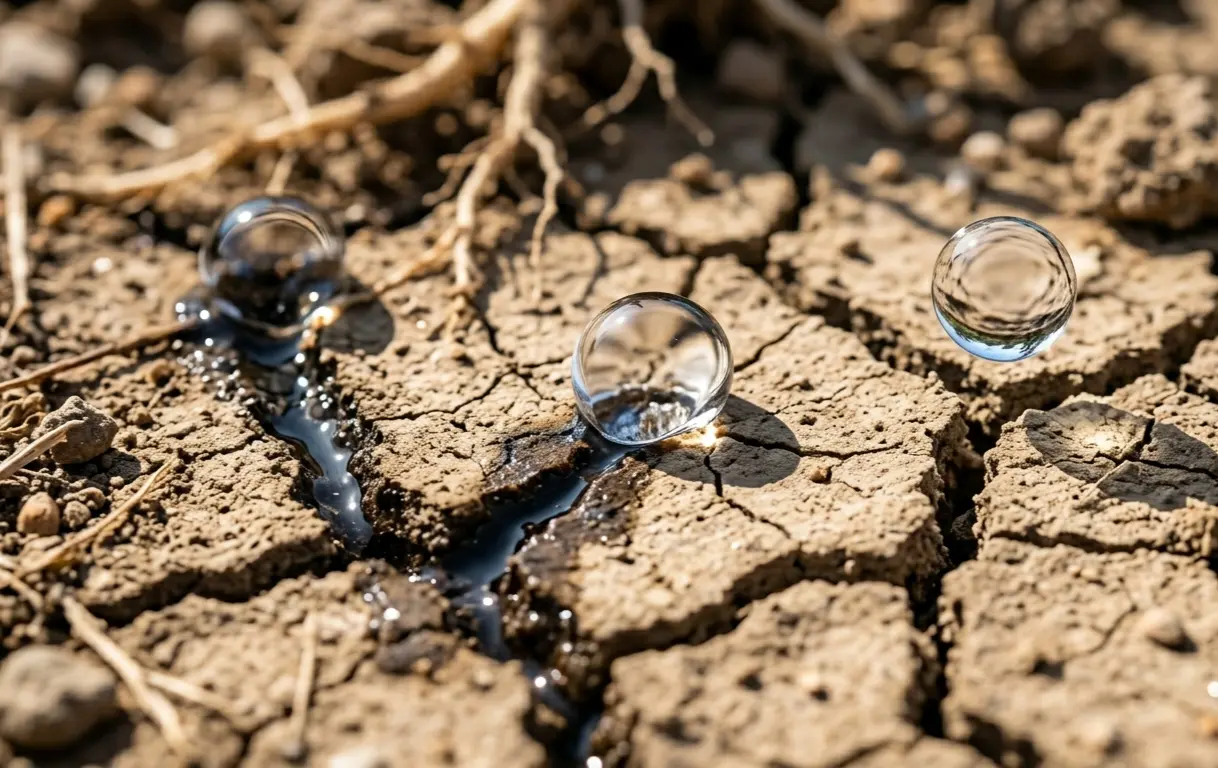
You must be cautious not to rely entirely on solid-tine spiking for long-term health. Because it pushes the dirt aside rather than removing it, it can technically increase compaction around the sides of the hole. Use spiking as a quick-fix survival tactic, reserving your heavy core treatments for the optimal growing seasons.
Timing Your Soil Aeration Techniques for Maximum Impact
The success of your garden rescue mission relies entirely on executing these strategies at the perfect time of year. For homeowners in the northern USA growing cool-season grasses like Kentucky Bluegrass or Fescue, early fall is the absolute best window. The soil is still warm, but the cooler air allows the turf to recover rapidly from the physical disruption.
Spring is an acceptable secondary window, but you must wait until the ground has sufficiently dried out from the winter snowmelt. Attempting heavy mechanical work on mud will destroy your yard’s structure and create a bumpy, uneven nightmare. Always test the moisture level; the dirt should be moist enough to penetrate easily, but never soaking wet.
Watch this visual guide before operating a mechanical aerator :
If you live in the southern USA and grow warm-season grasses like Bermuda or Zoysia, your timeline completely shifts. You should target late spring or early summer, right when the grass is entering its peak phase of aggressive growth. The high energy levels of the plant during this season will quickly fill in the bare spots left by the extracted plugs.
The Vital Post-Aeration Recovery Process
Opening up your dirt is only half the battle; what you do immediately afterward determines your ultimate success. The freshly exposed holes provide the perfect nursery for new seeds and a direct pipeline for crucial nutrients. Overseeding your lawn immediately after mechanical plug removal is the secret to achieving that magazine-cover thickness.
The seeds will naturally fall into the hollow channels, protecting them from hungry birds and harsh surface temperatures. This is also the ideal moment to apply a high-quality starter fertilizer or a rich layer of organic topsoil. The nutrients will bypass the surface entirely, washing directly down into the vulnerable root zone where they are needed most.
You must commit to a strict watering schedule for the next two weeks to maximize the benefits of your hard work. Keep the newly introduced seeds moist and help the extracted plugs break down quickly into the turf canopy. Do not let the surface dry out completely, but avoid creating puddles that might wash away your freshly applied topdressing.
Final Thoughts on Implementing Soil Aeration Techniques
Rescuing a dying garden from the grip of severe compaction is a deeply rewarding experience. By understanding the physical, chemical, and biological forces at play beneath your feet, you can engineer a perfect growing environment. You are no longer just guessing; you are applying proven landscape science to your own backyard.
Remember that transforming heavily compacted earth is a marathon, not a sprint. It may take two or three consecutive seasons of diligent work to completely restructure a neglected yard. However, once you establish that healthy, breathable foundation, maintaining it becomes incredibly straightforward.
Do not let another season go by watching your plants struggle against an invisible underground barrier. Equip yourself with the right knowledge, choose the method that best fits your landscape, and break the crust. Your garden will reward your efforts with explosive growth, vibrant colors, and unparalleled resilience against the elements.