

If your living room feels flat under flat light, a fluted accent wall might be exactly the architectural jolt your home needs. This ridged, vertically grooved treatment has moved from boutique hotel lobbies straight into everyday homes, and for good reason. It catches light, casts shadow, and adds dimension that paint alone simply cannot achieve. Whether you are working with a rental-friendly panel kit or custom millwork, learning the secrets behind a truly stunning fluted accent wall will save you money, time, and a few design regrets along the way.
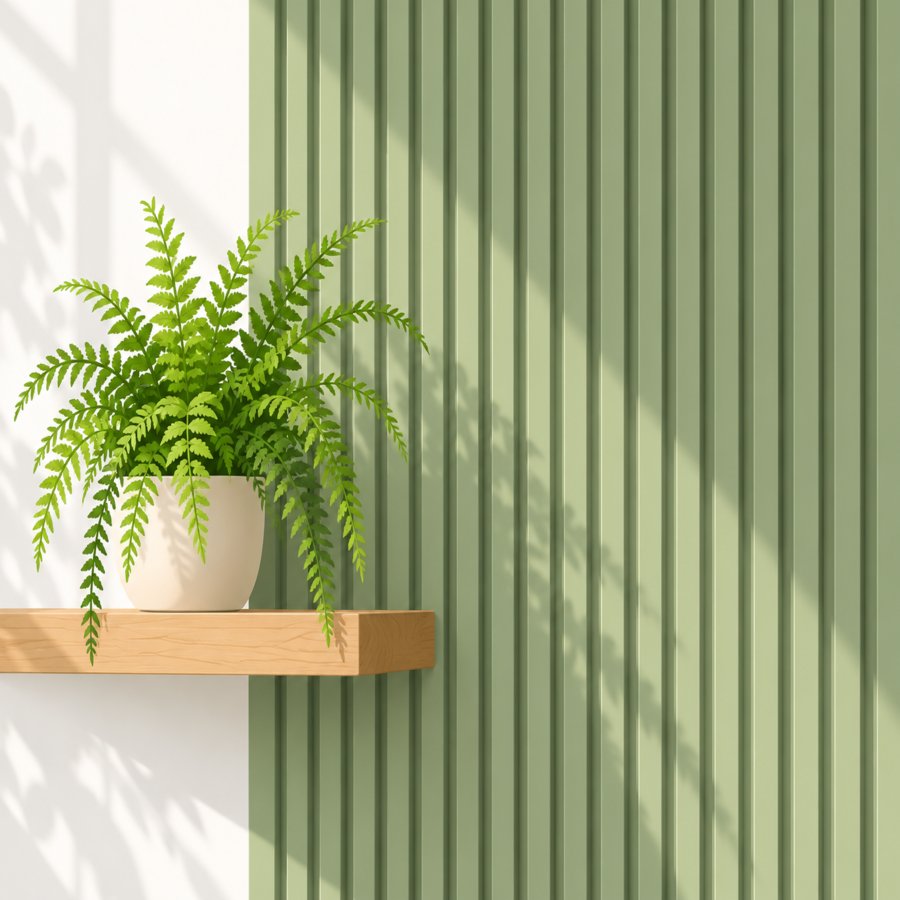
Secret One: Choosing the Right Wall for Your Fluted Accent Wall
Not every wall deserves the grooved treatment. The best candidate is usually a wall with no major obstructions, like outlets, switches, or vents clustered in the middle.
Look for sightlines first. The wall directly facing your entryway, the one behind your bed headboard, or the backdrop behind a television console are all classic choices because they draw the eye the moment someone enters the room.
Consider wall height and proportion. Taller walls amplify the vertical lines of fluted paneling, making ceilings feel loftier, while shorter walls may need a half-height application to avoid feeling boxed in.
A well-placed fluted accent wall functions as the room’s architectural focal point, pulling attention away from mismatched furniture or awkward layouts and giving the eye one confident place to land.
Secret Two: Material Choices That Change Everything
The material you choose will determine durability, cost, and installation difficulty, so it pays to understand your options before buying a single panel.
MDF slat wall decor panels are the most budget-friendly and beginner-friendly option. They come pre-primed, cut to standard heights, and are easy to trim with a basic saw.
Solid wood fluting offers a richer, more tactile finish and ages beautifully, though it demands a higher budget and more careful humidity control, especially in bathrooms or kitchens.
PVC and WPC composite panels resist moisture extremely well, making them a smart pick for powder rooms, laundry areas, or covered outdoor spaces where humidity fluctuates.
Mixing textures, such as pairing a fluted accent wall with natural stone or a woven jute rug, keeps the overall palette from feeling like one uninterrupted plane of modern paneling.
Secret Three: Color and Finish Strategy
Color is where most fluted walls either sing or fall flat, because the grooves rely heavily on light and shadow to read as dramatic.
Monochrome drama works best when you paint the panels the exact same color as the surrounding wall, letting shadow lines do all the visual heavy lifting rather than contrast.
Deep, moody tones such as charcoal, forest green, or terracotta intensify the grooves even further, since darker pigments absorb light unevenly and exaggerate the ridges.
Natural wood stains keep things warm and organic, which pairs beautifully with houseplants, rattan furniture, and other earthy textures common in biophilic interiors.
Avoid high-gloss finishes on a fluted accent wall unless you specifically want a glam, light-bouncing effect, as matte and satin sheens generally showcase the grooves with more subtlety and sophistication.
Secret Four: Lighting Techniques That Maximize Visual Drama
Lighting is arguably the single most underrated factor in whether a fluted wall looks flat or genuinely dramatic after installation.
Raking light from above is the gold standard. Ceiling-mounted spotlights or track lighting angled slightly downward across the panel surface create deep, elegant shadow lines along every groove.
LED strip channels hidden at the top or base of the wall produce a soft wash of ambient light that dramatically changes the mood from daytime to evening without any additional fixtures.
Avoid flat, head-on lighting such as a single overhead flush mount centered in the room, since it washes out the grooves and makes expensive paneling look disappointingly plain.
Secret Five: Installation Tips for a Flawless Fluted Accent Wall
Even the most beautiful panel design can look amateurish if installation shortcuts are taken, so patience here truly pays off.
Start with a level baseline. Use a laser level to mark a perfectly horizontal reference line before placing a single panel, since even slightly uneven floors can throw off the entire vertical rhythm.
Dry-fit before adhering. Lay out all panels across the floor first to plan spacing and check how the final groove will land at each corner.
Use construction adhesive plus finish nails. Adhesive alone can slip before curing, while nails alone can leave visible gaps, so combining both methods ensures a tight, lasting bond.
Caulk every seam. A thin bead of paintable caulk along panel joints and ceiling lines hides small imperfections and gives the finished fluted accent wall a seamless, custom-built appearance.
Secret Six: Pairing Furniture and Decor With Slat Wall Decor
Once your panels are up, the furniture and accessories you choose will either complement the grooves or compete with them.
Keep nearby furniture low-profile. A low media console or a streamlined headboard allows the full height of the fluted panels to remain visible rather than getting visually chopped off.
Skip busy wall art. Because slat wall decor already provides strong linear texture, hanging frames or gallery walls directly on top usually creates visual clutter rather than added interest.
Add greenery for contrast. A trailing pothos or an upright fiddle leaf fig placed in front of the grooves introduces organic curves that soften all those straight architectural lines beautifully.
According to the design experts at Better Homes & Gardens, textured wall treatments perform best in rooms where surrounding decor is kept deliberately simple, allowing the architectural detail itself to remain the star of the space.
Secret Seven: Taking Modern Paneling Outdoors and Beyond
A fluted accent wall is not confined to the living room. With the right weather-resistant materials, this same technique can transform patios, covered porches, and outdoor kitchens.
Weatherproof cladding behind outdoor seating adds restaurant-grade polish to a backyard lounge area, especially when paired with warm string lighting in the evening.
Coordinate hardscaping materials. If you are already upgrading your outdoor flooring, our guide on laying DIY patio pavers for a durable outdoor foundation pairs naturally with a fluted feature wall, since both projects rely on consistent spacing and crisp, repeating lines for a cohesive finished look.
Mind your climate zone. Before committing to an outdoor installation, check regional humidity and freeze-thaw patterns, since certain composite panels perform better than solid wood in extreme conditions.
Extending modern paneling beyond interior walls creates a sense of continuity between your indoor and outdoor living spaces, which is a hallmark of thoughtfully designed homes.
Maintenance and Long-Term Care for Your Fluted Accent Wall
A fluted accent wall is a long-term investment, and a little routine care keeps those crisp grooves looking freshly installed for years.
Dust regularly with a soft brush attachment. Grooves trap dust more readily than flat walls, so a quick weekly pass with a vacuum brush or a dry microfiber duster prevents buildup in the crevices.
Spot clean gently. A barely damp cloth with mild soap handles most marks, but always test an inconspicuous area first, especially on painted MDF, which can swell if it gets too wet.
Monitor humidity levels. Wood and MDF panels can shift slightly with seasonal humidity changes, so keeping indoor humidity between 35 and 55 percent helps prevent warping or visible seam gaps over time.
Touch up paint annually. High-traffic areas near hallways or entryways may need a light refresh coat every year or two to maintain that crisp, architectural focal point appearance.
Common Fluted Accent Wall Mistakes to Avoid
Even experienced DIYers can stumble on a few predictable pitfalls when tackling this project for the first time.
Overcrowding a small room. Applying fluted panels to all four walls in a tight space can feel overwhelming rather than elegant, so reserve the treatment for one deliberate wall.
Ignoring outlet and switch placement. Plan electrical cutouts before installation day, since retrofitting a switch into finished fluting is far more difficult than measuring twice beforehand.
Choosing the wrong groove width for the room scale. Narrow, tightly spaced grooves suit small powder rooms, while wider, deeper channels generally read better in large, open living areas.
Taking the time to plan layout, lighting, and electrical details in advance is what separates a professional-looking fluted accent wall from one that feels like an afterthought.
Final Thoughts on Creating a Stunning Architectural Focal Point
Building a fluted accent wall is one of the most impactful ways to add texture, depth, and personality to any room without a full renovation.
By carefully selecting your wall, material, color, and lighting, you create far more than a trendy backdrop. You create a genuine architectural focal point that elevates the entire room’s design language.
Pair your new feature with thoughtful furniture placement, intentional greenery, and a maintenance routine, and this single wall will continue delivering visual drama for many years to come.
Whether indoors or extended onto a covered patio, a well-executed fluted accent wall proves that sometimes the most powerful design statements come from simple, repeating lines done exceptionally well.