If you have ever killed a houseplant through overwatering, you are not alone, and these leca setup secrets are about to change the way you grow forever. Clay pebbles conversion is rapidly becoming the go-to method for plant parents who want healthier roots, fewer pests, and a nearly foolproof watering schedule. Semi hydroponics houseplants thrive in ways that soil-grown specimens simply cannot match, especially when it comes to oxygen availability at the root zone. In this guide, we are diving deep into the strategic techniques that separate thriving LECA setups from failed experiments.
Whether you are converting a single pothos or an entire shelf of aroids, understanding the mechanics behind a nutrient reservoir indoor plants system is essential. We will walk through everything from initial rinsing to long-term root expansion strategies. By the end, you will have a complete roadmap for building a thriving semi-hydroponic garden indoors.
Understanding the Foundation: What Makes LECA Different
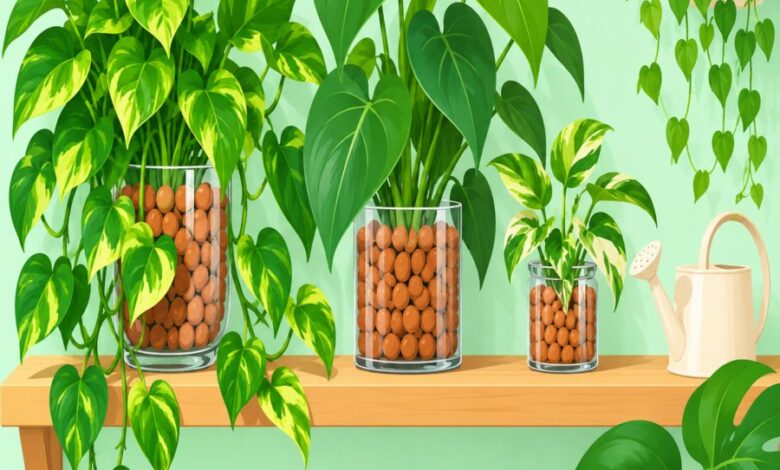
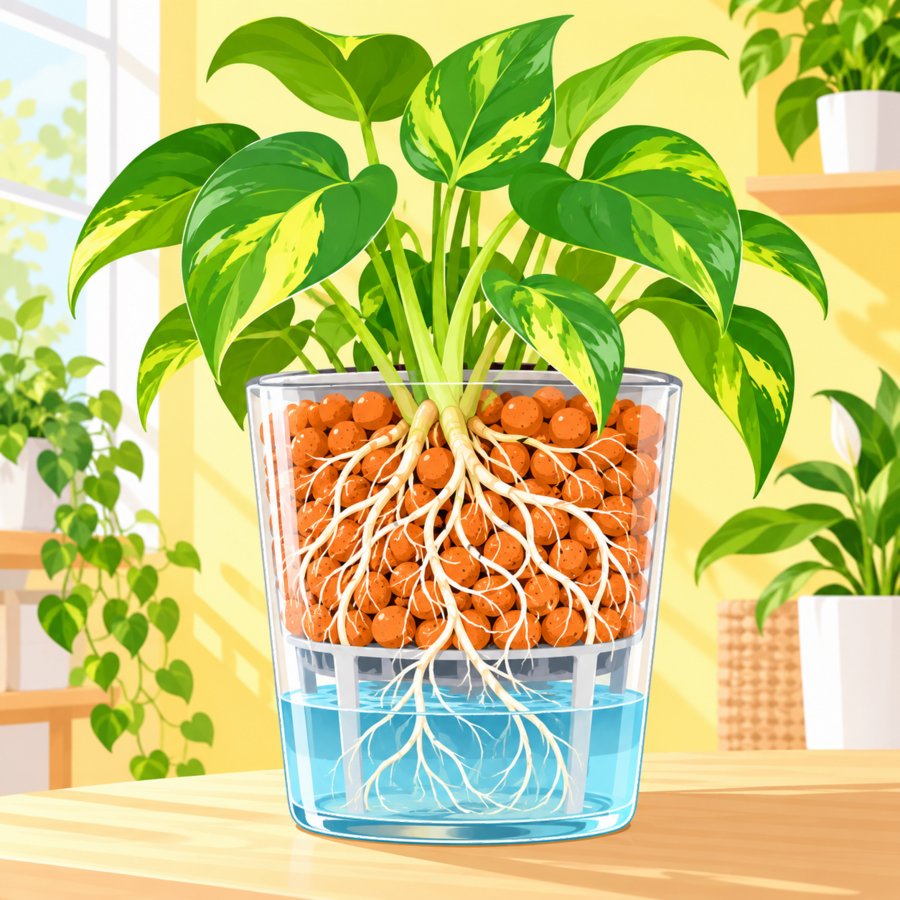
Lightweight Expanded Clay Aggregate, better known as LECA, consists of small fired clay balls that are porous on the inside and hard on the outside. This structure allows the pebbles to wick water upward through capillary action while still leaving plenty of air pockets for roots to breathe. Unlike dense potting soil, which can suffocate roots when overwatered, clay pebbles create an environment where oxygen and moisture coexist in balance.
This is precisely why so many growers are obsessed with unlocking the right leca setup secrets for their collection. The transition from soil to clay is not simply swapping one medium for another; it requires an entirely new mindset. You are no longer feeding a sponge-like substrate, but rather managing a reservoir system that delivers nutrients on demand.
Why Roots Expand Faster in Clay
Roots growing in LECA tend to spread outward in search of oxygen-rich pockets rather than diving straight down as they would in compacted soil. This lateral and vertical freedom encourages a denser, more fibrous root mass. Over time, this expanded root network translates into faster nutrient uptake and noticeably more vigorous foliage growth.
Secret One: Mastering the Clay Pebbles Conversion Process
The single most overlooked step in any successful transition is the rinsing and soaking phase. Raw LECA arrives coated in a fine red clay dust that, if left unwashed, can clog pores and create a muddy mess in your reservoir. A proper clay pebbles conversion begins with rinsing the pebbles in a mesh strainer until the runoff water appears completely clear.
Once rinsed, soak the pebbles for at least 24 hours before use. This pre-saturation step ensures the porous interior is fully hydrated, so the clay does not immediately pull moisture away from your plant’s roots upon first use. Skipping this stage is one of the most common mistakes beginners make when attempting their first conversion.
Removing Soil Gently From Roots
When extracting a plant from soil, submerge the root ball in room-temperature water and gently massage away the dirt rather than tugging or pulling. Patience here protects delicate root hairs that are crucial for the plant’s adjustment period. A soft toothbrush can help dislodge stubborn clumps without damaging fragile tissue.
Secret Two: Building a Reliable Nutrient Reservoir Indoor Plants System
Semi hydroponics houseplants rely entirely on dissolved minerals in water since clay itself offers zero nutritional value. This makes a well-calibrated nutrient reservoir indoor plants setup absolutely non-negotiable for long-term success. Choose a hydroponic-specific fertilizer, as traditional soil fertilizers often lack the balanced micronutrient profile that semi-hydro plants need.
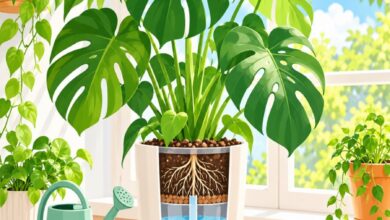
A general guideline is to mix fertilizer at roughly one-quarter to one-half the strength recommended on the label, since LECA systems deliver nutrients more efficiently than soil. Keep water levels at approximately one-third the height of the pot, allowing the upper two-thirds of clay pebbles to remain dry and oxygen-rich.
Flushing the Reservoir Regularly
Mineral salts can accumulate over time, leading to buildup that stresses roots and alters pH balance. Flush your reservoir completely with fresh water every two to three weeks to prevent this accumulation. This simple habit is one of the most effective leca setup secrets for maintaining consistent, long-term plant health.
Secret Three: Choosing the Right Container for Root Expansion
Not every pot is suited for semi-hydroponic growing, and container choice plays a massive role in how freely roots can expand. Net pots, claypots with water indicators, or any vessel with a built-in reservoir chamber work best. The key feature to look for is a design that physically separates standing water from the bulk of the clay medium.
Clear plastic pots are particularly useful because they let you visually monitor root development and water levels without disturbing the plant. Watching roots travel downward toward the moisture line is one of the most satisfying parts of switching to this growing method.
If you enjoy repurposing household items for your plant projects, you might also appreciate creative display ideas like those found in this clever canvas art DIY hacks guide for designing a cohesive, plant-filled living space around your new semi-hydro setup.
Secret Four: Lighting and Humidity Adjustments for Clay-Grown Roots
Because semi hydroponics houseplants access water more consistently than their soil-bound counterparts, they often respond to brighter, more consistent light with accelerated growth. Place your converted plants in bright indirect light to support the increased metabolic activity happening below the surface.
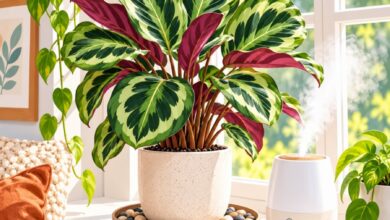
Humidity also plays a supporting role, particularly for tropical aroids like Philodendrons and Anthuriums that are popular candidates for clay pebbles conversion. Maintaining ambient humidity between 50 and 60 percent helps foliage keep pace with the rapid root development happening in the reservoir below.
Temperature Considerations
Keep reservoir water away from cold drafts or direct heating vents, as drastic temperature swings in the water can shock root systems. A stable room temperature between 65 and 75 degrees Fahrenheit is ideal for most common houseplant varieties grown in semi-hydro conditions.
Secret Five: Troubleshooting Common LECA Setup Secrets Gone Wrong
Even experienced growers encounter hiccups during their first few semi-hydro attempts, and recognizing early warning signs is critical. Yellowing lower leaves often indicate the water level is sitting too high, drowning the lowest roots and preventing oxygen exchange. Simply lowering the reservoir level typically resolves this issue within a week or two.
Conversely, if you notice crispy leaf edges alongside slowed growth, your plant may be experiencing transplant shock or an underfilled reservoir. Patience is essential during the adjustment phase, which can last anywhere from two to six weeks depending on the species and original root condition.
According to horticultural experts at the Royal Horticultural Society, maintaining proper aeration around root systems is fundamental to preventing root rot across nearly all container-grown plants, a principle that applies directly to semi-hydroponic setups. This reinforces why oxygen availability remains central to every successful clay conversion.
Identifying Root Rot Early
Healthy roots growing in LECA should appear white or light tan and feel firm to the touch. If roots turn brown, mushy, or emit an unpleasant odor, trim away the affected sections immediately with sterilized scissors and reduce reservoir water temporarily while the plant recovers.
Secret Six: Advanced Techniques for Maximum Root Expansion
Once your plant has stabilized in its new medium, you can apply a few advanced leca setup secrets to encourage even faster, denser root growth. Adding a small air stone connected to an aquarium pump into your reservoir oxygenates the water further, mimicking the aeration benefits used in professional hydroponic greenhouses.
Rotating your pot occasionally ensures roots spread evenly in all directions rather than clustering toward one side where light or moisture may be more concentrated. This small habit produces a noticeably more balanced root ball over several months of growth.
Sizing Up as Roots Mature
As your plant’s root system fills the available clay space, transition it into a larger net pot with fresh pebbles to prevent overcrowding. Overcrowded roots lose access to oxygen pockets, which can stall the very growth you worked so hard to encourage in the first place.
Maintaining Long-Term Success With Semi-Hydroponic Systems
Long-term success with semi hydroponics houseplants comes down to consistency rather than complexity. Establish a simple weekly checklist: inspect water levels, check root color through clear pots, and top off your nutrient reservoir indoor plants solution as needed.
Keep a small notebook or phone log tracking fertilizer strength, flush dates, and any observed changes in foliage. This record becomes invaluable for diagnosing issues quickly and refining your personal leca setup secrets over time as you expand your collection to new species.
With these six strategic techniques in your toolkit, you are now equipped to build thriving, root-expansive semi-hydroponic systems throughout your home. The shift away from soil may feel intimidating at first, but the reward is healthier, faster-growing houseplants that require far less guesswork once the system is dialed in.