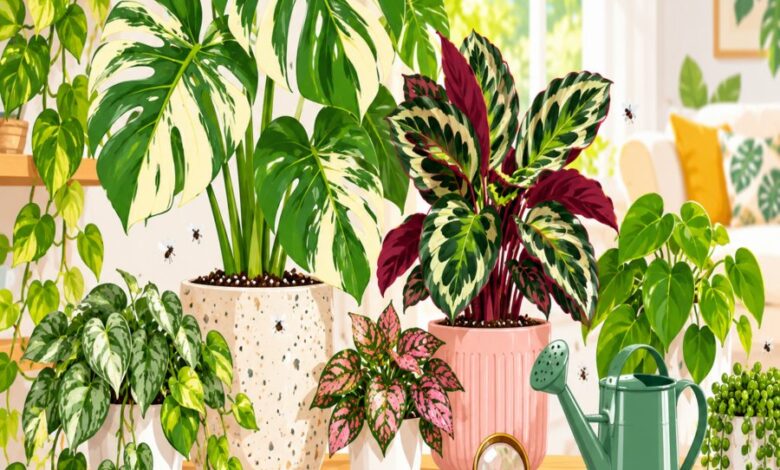
If you have ever watched a cloud of tiny black flies erupt from your favorite potted fern, you already know the panic that follows. Unfortunately, most of us respond with desperate, rushed decisions, and these common fungus gnat eradication blunders often do far more damage to rare, slow-growing specimens than the pests themselves ever could. Rare houseplants are especially fragile during an infestation because their root systems are often delicate and their owners tend to overcorrect. Understanding exactly where people go wrong is the first step toward protecting your collection for good.
This guide breaks down the ten most damaging mistakes gardeners make, and offers science-backed, plant-safe alternatives that actually work.
Why Fungus Gnat Eradication Blunders Happen So Easily
Fungus gnats thrive in consistently moist, organically rich potting soil, which is exactly the environment many rare aroids and ferns require to flourish. This overlap creates a frustrating paradox for collectors.
Most fungus gnat eradication blunders stem from panic-driven overcorrection rather than a lack of knowledge. Gardeners see adult gnats and assume the worst, reaching for harsh solutions before identifying the actual larval population in the soil.
The larvae, not the adults, are the real threat. They feed on fine root hairs and fungal matter just beneath the soil surface, and this is precisely where misguided treatments tend to cause collateral damage to root systems that are already stressed.
Blunder One: Drowning the Soil in Chemical Pesticides
The single most destructive habit among frustrated plant parents is saturating the soil with broad-spectrum chemical insecticides meant for outdoor garden use.
These products are frequently far too harsh for container-grown specimens and can scorch delicate root hairs on rare Anthuriums, Philodendrons, or variegated Monsteras. Chemical overkill is one of the clearest fungus gnat eradication blunders because it treats a houseplant like an acre of farmland.
Instead, effective houseplant pest control relies on targeted, low-toxicity solutions designed specifically for container gardening, not agricultural-strength sprays.
Blunder Two: Letting the Soil Become a Desert
Some gardeners swing to the opposite extreme, withholding water entirely for weeks at a time in an attempt to starve out the larvae.
While allowing the top inch of soil to dry does disrupt the gnat life cycle, prolonged bone-dry conditions can cause irreversible stress to moisture-loving rarities like Calatheas or Begonias.
Balanced drying, not total deprivation is the goal. A moisture meter can help you find that sweet spot without guessing.
Blunder Three: Ignoring Bottom Watering Gnats Connections
Many collectors switch to bottom watering to protect fuzzy leaves from moisture spots, unaware that constant saturation from below can worsen an infestation.
Bottom watering gnats problems arise when the lower soil layers stay perpetually damp, creating an ideal larval nursery that never fully dries out, even when the surface looks parched.
If you prefer bottom watering, limit soak times to fifteen minutes and always allow the pot to drain completely afterward, never leaving it sitting in standing water.
Blunder Four: Skipping Biological Mosquito Bits Entirely
One of the most underused tools in any indoor gardener’s arsenal is biological mosquito bits, which contain a naturally occurring bacterium called Bacillus thuringiensis israelensis, or BTI.
This bacterium specifically targets the digestive systems of fly larvae while remaining completely harmless to plants, pets, and humans, making it one of the safest houseplant pest control options available.
Skipping biological mosquito bits in favor of harsher synthetic sprays is a classic oversight, especially when a simple soil drench made from soaked bits can disrupt the larval population within days.
According to horticultural experts at the Royal Horticultural Society, biological controls are consistently recommended as a safer first line of defense for sensitive indoor specimens compared to chemical alternatives.
Blunder Five: Repotting Every Infested Plant Immediately
Panic repotting is tempting, but stripping away all the soil and disturbing fragile roots during an active infestation often shocks the plant more than the gnats themselves.
Rare plants with sensitive root systems, such as Hoyas or variegated Syngoniums, can go into transplant shock, dropping leaves and stalling growth for months afterward.
Treat first, repot later should be your mantra. Only repot once the gnat population is fully under control and the plant is stable.
Blunder Six: Relying Solely on Yellow Sticky Traps
Sticky traps are a fantastic monitoring tool, but using them as your only defense is among the most common fungus gnat eradication blunders collectors make.
Traps only catch adult gnats flying around the room; they do nothing to address the larvae feeding below the soil surface, meaning new adults keep emerging daily.
Use sticky traps as an early warning system and a way to track your progress, not as a standalone cure for the underlying soil problem.
Blunder Seven: Using the Wrong Soil Topping Material
Many gardeners add a thick layer of standard sand or decorative pebbles hoping to block adult gnats from laying eggs, but this often traps excess moisture underneath instead.
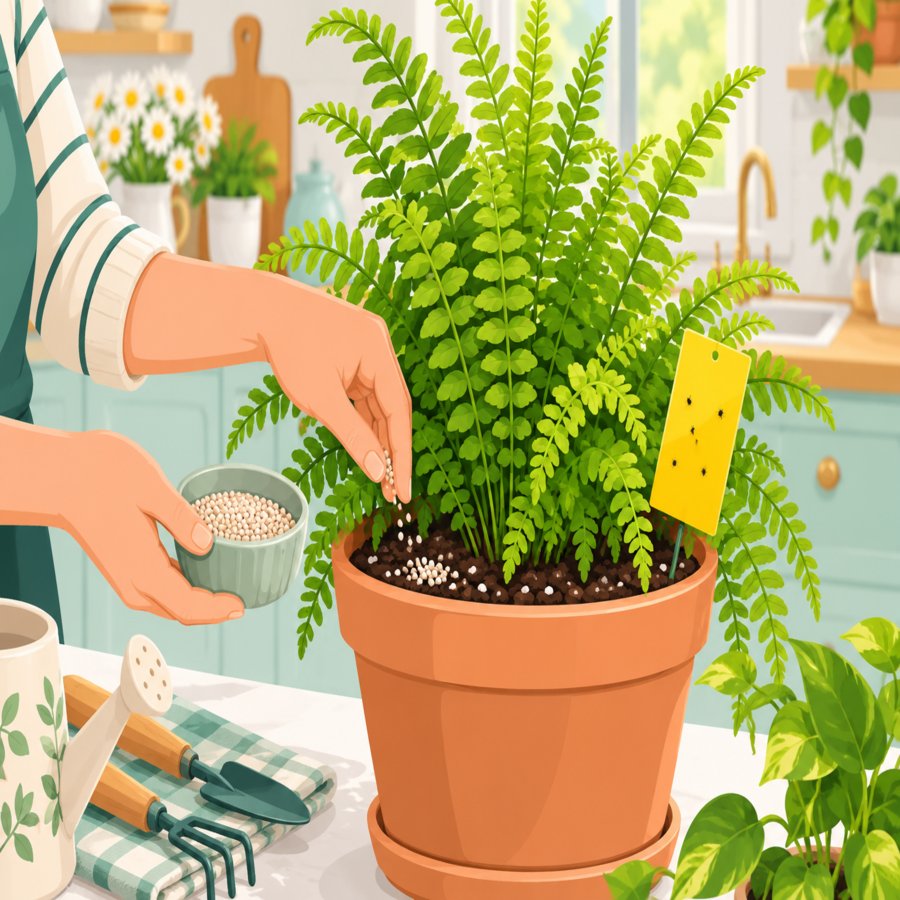
Diatomaceous earth or a thin layer of fine horticultural sand works far better because it dries quickly and creates an inhospitable surface for egg-laying females.
Pairing proper topping materials with improved airflow around your plant shelves, much like the ventilation improvements discussed in our guide to creative ceiling and airflow design upgrades, can dramatically reduce humidity pockets where gnats thrive.
Blunder Eight: Forgetting About Contaminated Potting Mix
Fungus gnats frequently enter a home hidden inside bags of commercial potting soil that were improperly stored before purchase.
Treating only the visibly infested plant while reusing the same contaminated bag of soil for future repots guarantees the cycle will repeat itself.
Always seal opened potting mix bags tightly and consider freezing new soil for 48 hours before use to kill any hidden eggs or larvae.
Blunder Nine: Neglecting Nearby Pots in the Same Room
Treating a single infested rare plant while ignoring the dozen other pots sitting nearby is one of the most overlooked fungus gnat eradication blunders in any home.
Adult gnats fly freely between containers, laying eggs wherever moist soil is available, so an isolated treatment plan is essentially useless against a room-wide population.
Treat the entire collection simultaneously , including any plants that appear unaffected, to break the breeding cycle completely.
Blunder Ten: Giving Up Too Soon on Houseplant Pest Control
Fungus gnat life cycles run roughly three to four weeks from egg to adult, meaning a single treatment round rarely eliminates every generation hiding in the soil.
Abandoning your houseplant pest control routine after just one or two applications allows surviving eggs to hatch and restart the entire infestation.
Commit to a consistent four to six week treatment schedule, reapplying biological mosquito bits weekly, to ensure every life stage is fully disrupted.
Building a Smarter Houseplant Pest Control Routine
Avoiding these fungus gnat eradication blunders comes down to patience, observation, and choosing gentle, targeted treatments over aggressive quick fixes.
Start by assessing your watering habits, switch to biological mosquito bits for larval control, and resist the urge to bottom water excessively until the infestation clears.
With a measured, informed approach, your rare plant collection can recover fully and continue thriving for years without repeating the same costly mistakes.