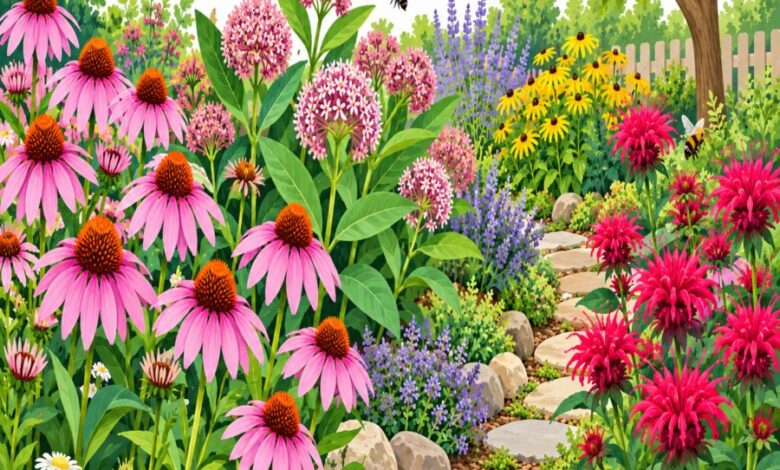
If you have ever watched a monarch drift across a flower bed or heard the low hum of a bumblebee working a patch of coneflowers, you already understand the quiet magic that well-planned native pollinator garden layouts can bring to a backyard. These gardens are not just pretty additions to a landscape; they are functional ecosystems that support the bees, butterflies, moths, and birds that keep our food systems and natural world running. Designing native pollinator garden layouts thoughtfully means choosing the right plants, arranging them for maximum visual and ecological impact, and creating a habitat that thrives through every season.
In this guide, we will walk through everything you need to know to build a flourishing pollinator haven, from soil prep to plant selection to long-term maintenance. Whether you have a sprawling backyard or a modest side yard, there is a layout here for you.
Why Native Pollinator Garden Layouts Matter More Than Ever
Pollinator populations across North America have declined sharply over the past few decades due to habitat loss, pesticide use, and the spread of monoculture lawns. Thoughtfully designed native pollinator garden layouts directly counter this trend by restoring small pockets of habitat right in our own yards.
Unlike ornamental gardens filled with exotic hybrids, native plantings offer nectar, pollen, and shelter that local wildlife has evolved to use. Ecological benefits include improved soil health, natural pest control, and increased biodiversity that ripples outward to songbirds and beneficial insects.
Beyond ecology, these gardens also reduce water usage and maintenance once established, since native species are naturally adapted to local rainfall and soil conditions. Lower upkeep means more time enjoying your garden and less time fighting with it.
Core Principles of Designing Native Pollinator Garden Layouts
Successful native pollinator garden layouts follow a few consistent design principles regardless of climate or region. The first is diversity: mixing plant heights, bloom times, and flower shapes attracts the widest range of visitors.
Layering by height is essential. Place taller species like native asters or joe-pye weed toward the back or center of a bed, mid-height bee friendly flowers such as coneflower and bee balm in the middle zone, and low-growing groundcovers like wild strawberry or creeping thyme along the edges.
Clustering, not scattering is another key rule. Pollinators forage more efficiently when flowers of the same species are grouped in drifts of five or more, rather than scattered as single specimens throughout the bed.
Finally, always consider sun exposure and soil drainage before finalizing your plan. Most native bee friendly flowers prefer full sun and well-drained soil, though there are excellent shade-tolerant options for woodland edges.
Building a Blooming Sequence Garden for Season-Long Color
One of the most overlooked elements of pollinator gardening is timing. A truly effective blooming sequence garden ensures that something is always flowering from early spring through late fall, giving pollinators a continuous food source rather than a brief burst followed by weeks of nothing.
Early spring bloomers such as wild columbine, golden ragwort, and serviceberry provide critical nectar when hungry bees first emerge from winter dormancy.
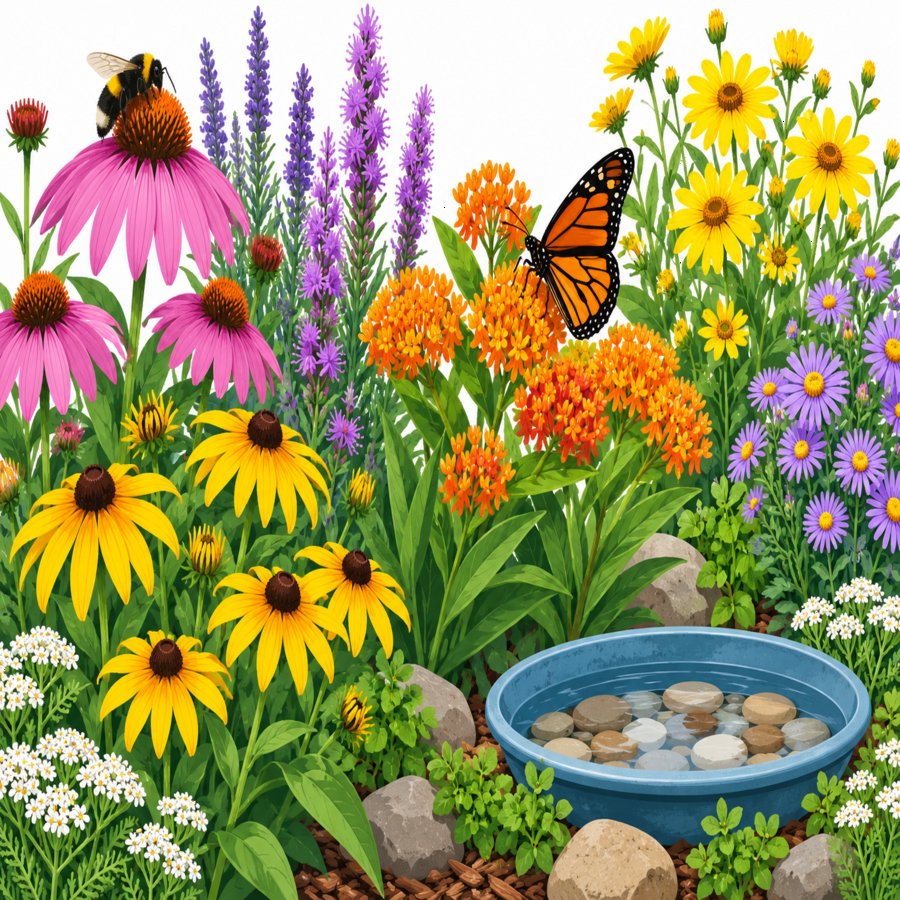
Midsummer stars like purple coneflower, black-eyed Susan, milkweed, and bee balm carry the garden through the peak growing season when pollinator activity is at its highest.
Fall finishers such as New England aster, goldenrod, and native sedums fuel monarchs on their migration south and sustain bees preparing for winter. Mapping out this timeline on paper before you plant is one of the smartest steps in designing native pollinator garden layouts that truly perform year-round.
For a deeper dive into regional bloom calendars, the Royal Horticultural Society offers excellent seasonal planting guidance that can be adapted to native plant alternatives in your area.
Choosing the Best Bee Friendly Flowers for Your Region
Not all bee friendly flowers are created equal, and regional adaptation matters enormously. Plants native to your specific ecoregion will always outperform generic “pollinator mix” seed packets sold at big box stores.
For eastern and midwestern gardens , consider purple coneflower, swamp milkweed, wild bergamot, and native lupine. These species are hardy, drought-tolerant once established, and irresistible to native bees and butterflies alike.
For western and arid regions , California poppy, desert marigold, and penstemon varieties provide vibrant color while requiring minimal supplemental watering.
For southern gardens , try native salvias, blanket flower, and swamp sunflower, all of which tolerate heat and humidity while blooming reliably for months.
The USDA plant hardiness zone finder is an invaluable free tool for confirming which bee friendly flowers will actually thrive in your specific climate before you invest time and money into planting.
Creating a Wild Pollinator Habitat Beyond Just Flowers
A thriving wild pollinator habitat needs more than nectar sources. Bees, butterflies, and moths also require shelter, nesting sites, water, and larval host plants to complete their full life cycles.
Leave bare patches of soil in sunny, undisturbed corners for ground-nesting native bees, which make up roughly seventy percent of North American bee species and do not live in hives.
Add a shallow water dish filled with pebbles so insects can drink safely without drowning, and consider a small brush pile or log stack to shelter overwintering butterflies and beneficial beetles.
Include larval host plants like milkweed for monarchs or native violets for fritillary butterflies, since adult pollinators need host plants for their caterpillars, not just nectar for themselves.
Resisting the urge to tidy every fallen leaf or spent flower stalk also helps; a slightly wild, naturalistic edge actually supports far more life than a manicured, sterile landscape ever could.
Practical Native Pollinator Garden Layouts for Small and Large Spaces
You do not need acres of land to make a meaningful impact. There are proven native pollinator garden layouts suited to everything from a tiny townhouse courtyard to a full suburban yard.
The container cluster layout works beautifully on patios and balconies. Group three to five large pots filled with compact bee friendly flowers like dwarf coneflower, calamint, and creeping thyme to create a dense, portable pollinator magnet.
The island bed layout suits medium yards perfectly. Carve a kidney-shaped or oval bed into the center of a lawn, layering tall plants in the middle and shorter bee friendly flowers around the perimeter so it can be viewed and enjoyed from every angle.
The meadow conversion layout is ideal for larger properties looking to replace high-maintenance turf grass entirely. Sow a mix of native grasses and wildflowers across a sunny section to create a true wild pollinator habitat that requires mowing only once or twice a year.
Whichever design you choose, sketching your plan on graph paper first, marking mature plant widths and bloom windows, will prevent overcrowding and ensure your native pollinator garden layouts look intentional rather than chaotic.
Hardscaping, Pathways, and Edging That Support Pollinator Gardens
Good pollinator gardens also benefit from thoughtful hardscaping that defines beds and provides access for maintenance without compacting soil or disturbing root systems.
Gravel and stepping stone paths allow you to walk through dense plantings to harvest seeds or deadhead spent blooms without trampling tender seedlings nearby.
Tile and stone borders are popular for defining pollinator bed edges cleanly, but they require correct installation to avoid long-term problems. If you are adding tile edging near a patio or garden border, it is worth reviewing these common tile grouting mistakes to avoid during garden edging projects before you begin, since improper grout work can crack and let weeds creep in over time.
Low fencing or decorative wattle edging can also help signal to neighbors and passersby that a slightly wilder-looking bed is intentional, not neglected, which is especially useful in suburban neighborhoods with tidy lawn expectations.
Maintaining Your Garden Without Harming Pollinators
Once your pollinator garden is established, maintenance should focus on supporting wildlife rather than achieving a perfectly tidy appearance.
Avoid all pesticides and herbicides , including so-called “bee-safe” formulas, since even organic pesticides can harm beneficial insects on contact or through residue on treated leaves.
Delay fall cleanup until temperatures consistently drop below fifty degrees, and leave some seed heads and hollow stems standing through winter, since many beneficial insects overwinter inside dried plant stalks.
Divide and thin plants every few years to keep your blooming sequence garden vigorous, swapping extra divisions with neighbors to spread native plants throughout the community.
For additional seasonal maintenance tips tailored to your exact growing zone, resources like the Old Farmer’s Almanac offer helpful planting and care calendars worth bookmarking.
With patience and the right plant choices, your native pollinator garden layouts will mature into a thriving, self-sustaining habitat that rewards you with buzzing activity and fluttering color for years to come. Start small, observe what thrives, and expand your wild pollinator habitat one bed at a time.