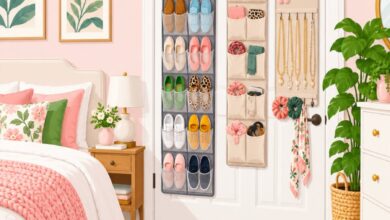
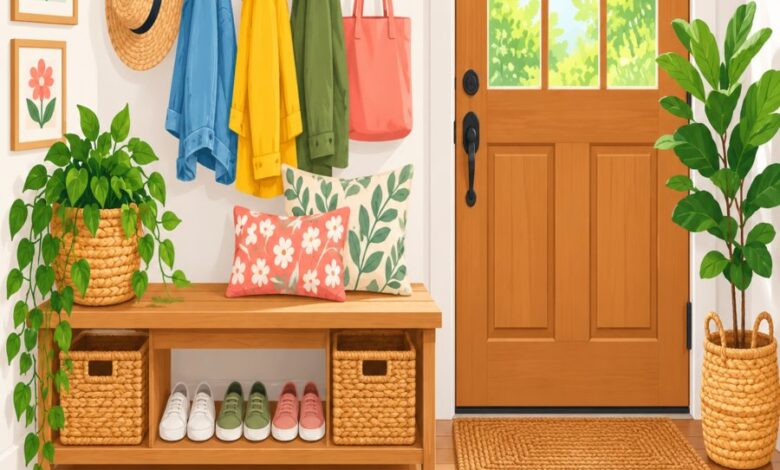
If your front door opens to a pile of backpacks, a tumble of shoes, and a leash tangled around the coat rack, you are not alone. The good news is that the right drop-zone entryway solutions can transform that daily chaos into a calm, functional welcome home. Whether you have a sprawling mudroom or just a few square feet by the front door, these nine ingenious ideas will help you reclaim your entryway and your sanity.
Why Every Home Needs Smart Drop-Zone Entryway Solutions
A drop zone is more than a catch-all spot by the door. It is the first impression your home makes and the last stop before you head out into the world.
Without a plan, this high-traffic area quickly becomes a dumping ground for mail, keys, shoes, and bags. Thoughtful design matters because it dictates whether your family glides through the door or trips over clutter every single day.
Well-planned drop-zone entryway solutions reduce stress, save time during busy mornings, and keep the rest of your home tidier by stopping clutter at the door. Think of it as a traffic control system for everything that enters and exits your house.
The best part is that you do not need a major renovation to see results. Small, intentional changes can make a dramatic difference in how your entryway functions.
1. Build a Zoned Mudroom Storage Bench
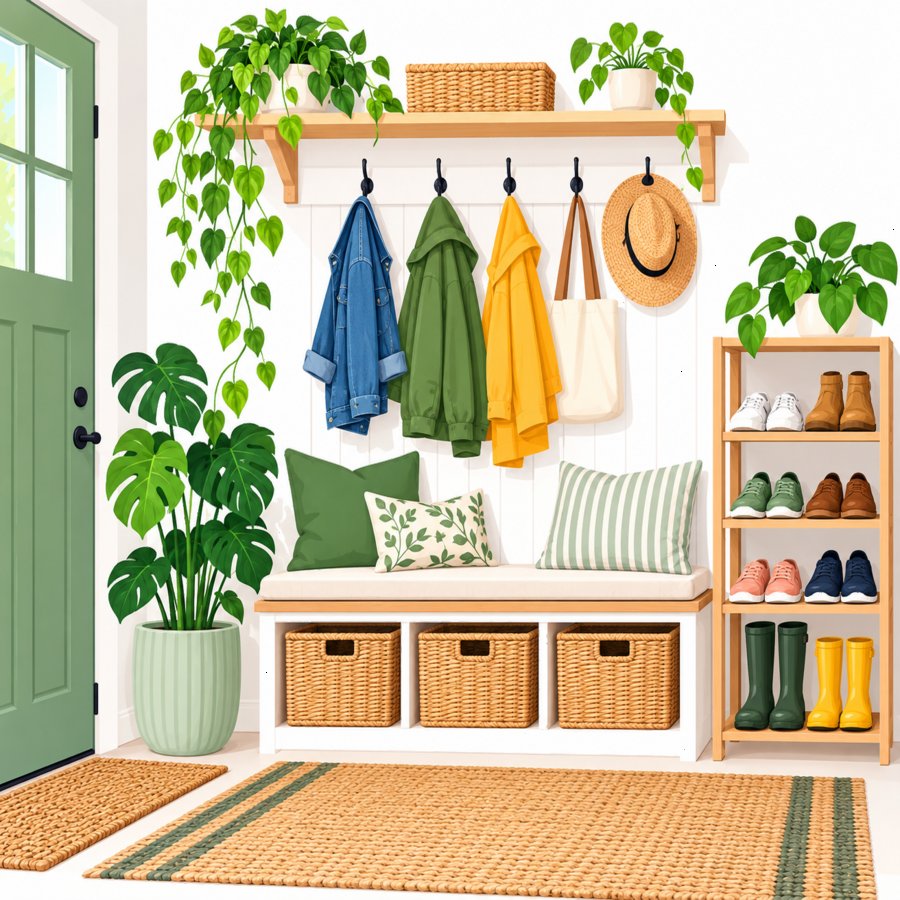
A built-in bench with cubbies underneath is the backbone of great mudroom storage . It gives family members a place to sit while removing shoes and a dedicated cubby to stash them afterward.
Assign each family member their own cubby, labeled with a name tag or a small chalkboard sign. This simple zoning trick eliminates the “whose shoes are these” debate entirely.
If you are working with a tight budget, a simple IKEA bench or a repurposed console table can be retrofitted with baskets to mimic built-in storage. Add a cushioned seat pad for comfort and a touch of style.
For homeowners who love a decorative trim detail, pairing your bench with a scalloped trim valance above the storage nook adds a charming architectural touch that elevates the whole space.
2. Install a Row of Sturdy Entryway Hooks
Nothing solves the coat-pile problem faster than a well-placed row of entryway hooks . Mount them at varying heights so both adults and kids can hang up their own jackets, backpacks, and umbrellas.
Double hooks are especially useful because they let you hang a coat on top and a bag or leash underneath, maximizing every inch of wall space.
Choose hooks that match your home’s hardware finish, whether that is matte black, brushed brass, or classic oil-rubbed bronze. This small detail ties your entryway into the rest of your interior design scheme.
For renters or anyone hesitant to drill holes, heavy-duty adhesive hooks rated for several pounds each can work surprisingly well as a temporary fix.
3. Master Shoe Organization With Vertical Racks
Shoes are often the single biggest culprit behind entryway clutter. Smart shoe organization starts with going vertical instead of letting footwear sprawl across the floor.
A slim shoe cabinet tucked against the wall can hold a dozen pairs while taking up only a few inches of floor space. Look for designs with angled shelves so shoes slide into place automatically.
For larger families, consider a tiered shoe rack that separates footwear by person or by season, rotating winter boots to storage once the weather warms up.
A boot tray near the door also protects flooring from mud and snow melt, which is a small addition that saves on cleaning time and flooring repairs down the road.
4. Create a Command Center for Mail and Keys
Loose mail, misplaced keys, and forgotten permission slips are classic signs of a drop zone without a system. A wall-mounted organizer with slots for mail, a small key dish, and a cork board for notes solves this instantly.
Keep a small basket labeled “outgoing” for mail that needs to be dropped at the mailbox, and another for items that need to go back to school or work the next day.
Adding a charging station with a power strip nearby keeps phones and tablets from cluttering the kitchen counter, consolidating even more daily chaos into one tidy corner.
This command center approach is one of the most practical drop-zone entryway solutions because it tackles paperwork and small essentials, not just coats and shoes.
5. Maximize a Small Entryway With Vertical Storage
Not every home has a dedicated mudroom, but that does not mean you cannot carve out a functional drop zone. In tight spaces, thinking vertically is key.
A narrow console table paired with a tall, slim cabinet can fit into even the most compact hallway. Use the cabinet for mudroom storage essentials like extra umbrellas, sunscreen, or pet leashes.
Floating shelves installed above the console add display space for decor while keeping the floor clear for foot traffic. A large mirror mounted above the console also makes the space feel bigger and brighter.
According to Better Homes & Gardens, compact entryways benefit most from multi-functional furniture that combines storage, seating, and display in a single footprint.
6. Use Baskets and Bins for Flexible Sorting
Woven baskets and labeled bins are a budget-friendly way to organize the odds and ends that accumulate near the door. Sports equipment, gloves, sunglasses, and dog toys can each have their own designated container.
Clear bins work especially well for shoe organization because you can see the contents at a glance without having to dig through a pile.
Rotate seasonal items in and out of bins so only what is currently needed sits in the main drop zone. Off-season gear can move to a closet or garage shelf.
This flexible system is one of the easiest drop-zone entryway solutions to implement because it requires no construction, just a quick trip to a home goods store.
7. Add Durable, Easy-Clean Flooring
Entryways take a beating from mud, rain, and gravel, so flooring choice matters as much as storage furniture. Durable surfaces like porcelain tile, luxury vinyl plank, or sealed stone hold up far better than carpet.
A washable runner rug placed over the flooring adds warmth underfoot and catches debris before it spreads into the rest of the house.
Look for rugs with a non-slip backing, especially if your entryway tends to get wet from rain or melting snow tracked in from outside.
Pairing durable flooring with a boot tray and a dedicated shoe cabinet rounds out a drop zone that can handle whatever the weather throws at it.
8. Outfit a Garage or Side Door Drop Zone
Many families actually enter through the garage or a side door more often than the front door, so that space deserves its own drop-zone treatment.
A simple wall-mounted pegboard near the garage entrance can hold entryway hooks for work bags, helmets, and reusable grocery totes, keeping the car-to-house transition smooth.
Add a small shelf for sunscreen, bug spray, or hand sanitizer so these items are always within reach before heading out to the yard or garden.
Even a modest setup here prevents the overflow of gear from migrating into the kitchen or living room, which is often where clutter ends up when there is no designated catch point.
9. Personalize Your Drop-Zone Entryway Solutions With Greenery and Style
A functional entryway does not have to feel purely utilitarian. Adding a potted plant, such as a hardy pothos or snake plant, softens the space and welcomes you home with a touch of nature.
Choose low-maintenance varieties that tolerate the lower light levels often found near front doors and hallways. The Royal Horticultural Society offers excellent guidance on selecting resilient indoor plants for exactly these conditions.
A fresh coat of paint, a patterned wallpaper accent, or decorative wall hooks shaped like leaves or branches can also inject personality into this hardworking corner of your home.
When your drop-zone entryway solutions look as good as they function, you will actually want to keep them tidy, which reinforces the habit long term.
Maintaining Your Entryway System for the Long Haul
Even the best-designed drop zone will fail without consistent habits to back it up. Set a quick five-minute reset each evening to return stray items to their designated spots.
Involve kids early by making shoe organization and hook usage part of their daily routine. Positive reinforcement works far better than nagging once the system becomes second nature.
Do a seasonal audit of your mudroom storage every few months, swapping out winter boots for sandals or rotating sports gear based on the calendar.
With the right combination of furniture, hooks, bins, and daily habits, your entryway can finally become the organized, welcoming space it was always meant to be.