

There is a quiet kind of magic in waking up to soft, sun-like light rather than the harsh buzz of an overhead bulb. That magic has a name, and it is rooted in science as much as it is in design. Biophilic lighting ideas are reshaping how homeowners think about the master bedroom, turning it from a simple sleeping chamber into a restorative sanctuary that mirrors the rhythms of nature. If you have ever felt groggy under fluorescent light or restless under a too-bright lamp at midnight, your room may be fighting against your biology instead of supporting it.
In this guide, we are exploring five genius, practical, and achievable biophilic lighting ideas designed specifically for the master bedroom. These are not abstract design theories; they are real strategies you can implement this weekend, using products available at almost any home improvement store. We will talk about natural light interior strategies, the science behind circadian rhythm lighting , and how thoughtful master bedroom design choices can transform your sleep quality and your mornings.
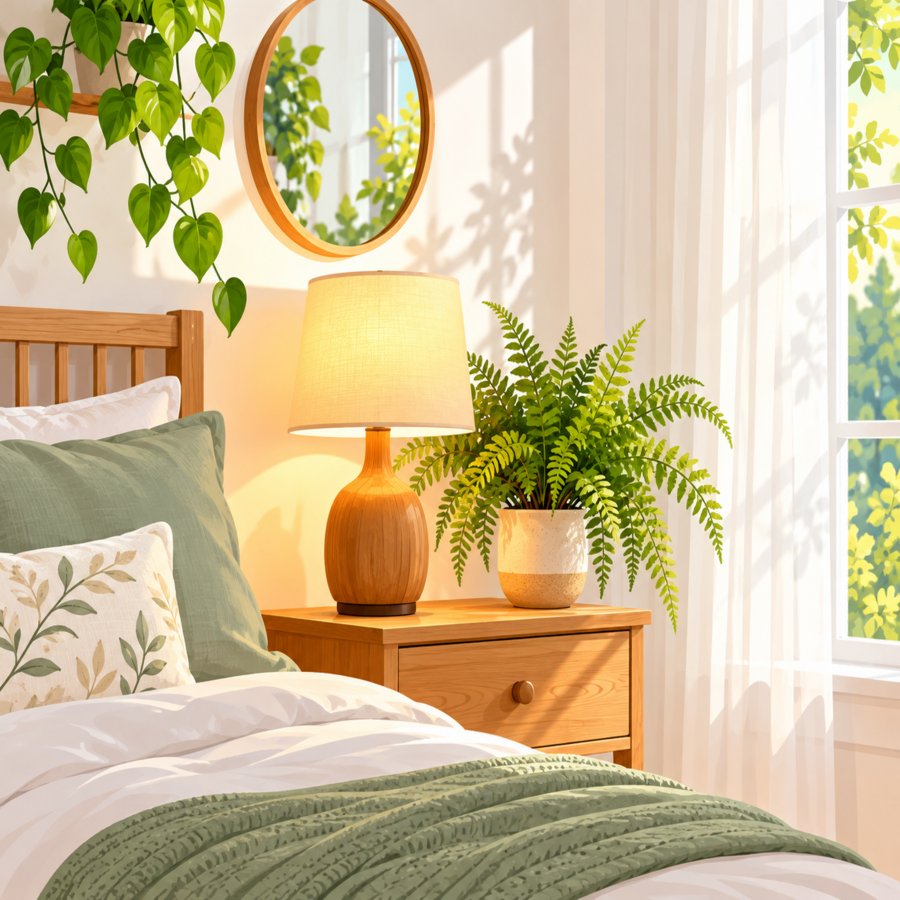
Why Biophilic Lighting Ideas Matter More Than You Think
Biophilic design is built on a simple premise: humans are wired to connect with nature, and our indoor spaces should reflect that connection rather than sever it. Lighting is one of the most powerful tools in this philosophy because light governs our hormones, our mood, and our sleep cycles far more than most people realize.
When we talk about biophilic lighting ideas in the bedroom, we are really talking about recreating the gentle arc of a natural day indoors. Soft golden tones in the morning, bright neutral light at midday, and warm dim light in the evening all send signals to your brain about when to feel alert and when to wind down.
This is precisely why generic overhead lighting often fails a bedroom. A single harsh ceiling fixture cannot replicate the subtlety that the sun provides, and that mismatch is often the hidden culprit behind restless nights and sluggish mornings.
Idea One: Layer Your Natural Light Interior with Sheer and Blackout Combinations
The foundation of any good natural light interior strategy starts with your windows, not your light fixtures. Daylight is free, abundant, and biologically superior to any bulb on the market, so your first job is to maximize how much of it reaches your bed and sitting areas.
The trick is layering. Install a sheer linen curtain on an inner track to diffuse harsh midday sun into a soft, cloud-like glow, then add a separate blackout curtain on an outer track for nighttime darkness.
Morning light exposure is one of the single best things you can do for your internal clock, and sheer curtains let that light flood in gently the moment you open them.
Strategic furniture placement also matters here. Position your bed so it receives filtered morning light rather than direct glare, and keep tall furniture away from window sills so light can travel deeper into the room.
If your bedroom window overlooks a garden or patio, consider how your outdoor landscaping choices affect the quality of light entering your room. Dense shrubs too close to the window can block beneficial daylight, so thinning them out or choosing lower-growing plants can dramatically improve your indoor glow.
Idea Two: Install Circadian Rhythm Lighting for Automatic Mood Shifts
If sunlight is the gold standard, circadian rhythm lighting is the closest artificial substitute, and it has become remarkably accessible for everyday homeowners. These are smart bulbs or fixtures programmed to automatically shift their color temperature throughout the day.
In practice, this means your bedroom lights can glow with cool, energizing white tones in the morning, transition to a neutral daylight tone by afternoon, and shift into warm amber hues after sunset. This gradual transition is one of the most effective biophilic lighting ideas available today because it works passively, without you having to remember to adjust anything.
Smart bulb selection is straightforward. Look for bulbs labeled as “tunable white” or “circadian” rather than simple color-changing RGB bulbs, since the goal is temperature shifting, not rainbow effects.
Placement strategy matters too. Install these bulbs in bedside lamps and ceiling fixtures rather than closets or hallways, since the bedroom is where your body most needs these cues reinforced consistently.
Many homeowners pair this system with a smart plug on their lamp timer, so even non-smart fixtures can join the schedule. The effect compounds over weeks, gently retraining your body’s internal clock toward a more consistent, restorative sleep pattern.
Idea Three: Bring Nature Indoors with Organic-Shaped Fixtures and Plant-Adjacent Lighting
True biophilic design extends beyond color temperature into form and material. Fixtures shaped like leaves, branches, or organic curves reinforce the subconscious connection between your bedroom and the natural world, amplifying the psychological benefits of good lighting.
Consider rattan pendant shades, woven paper lanterns, or wooden-framed sconces. These materials diffuse light in a warm, dappled way that mimics sunlight filtering through tree canopies, a texture of light our brains instinctively find calming.
Plant-adjacent lighting is another underrated trick. Placing a small grow-light-equipped lamp near a bedside fern or snake plant not only keeps the plant healthy in low-light corners, it also casts gentle shadows that move subtly throughout the day, adding organic visual texture to the room.
Material pairing works best when fixtures echo other natural elements already in the room, such as a wood headboard, linen bedding, or a jute rug, creating a cohesive sensory experience.
According to the Royal Horticultural Society , incorporating natural materials and plant life indoors has measurable benefits for wellbeing and stress reduction, reinforcing why these organic lighting choices are worth the investment for your master bedroom.
Idea Four: Use Dimmable Warm-Toned Lamps for Evening Wind-Down Rituals
One of the simplest yet most overlooked biophilic lighting ideas is also the cheapest to implement: swap your bright white bedside bulbs for warm-toned, dimmable alternatives in the 2200 to 2700 kelvin range.
Bright blue-toned light in the evening suppresses melatonin production, the hormone responsible for making you feel sleepy. Warm amber light, by contrast, mimics firelight and sunset tones, signaling safety and rest to your nervous system.
Dimmer installation is a quick weekend DIY project for most homeowners. A simple rotary or slide dimmer switch can replace a standard switch in under thirty minutes with basic tools and the power safely shut off at the breaker.
Ritual building is where this idea really shines. Try dimming your bedroom lamps thirty minutes before your intended bedtime every night, pairing it with reading or quiet stretching, and your body will begin associating that warm glow with imminent sleep.
This single habit, reinforced by the right lighting, is one of the most powerful free upgrades you can make to your master bedroom design without spending a dime on furniture or decor.
Idea Five: Connect Indoor Lighting with Your Outdoor View
Biophilic design does not stop at your windowsill. The relationship between your bedroom’s interior lighting and the view just beyond the glass is a crucial, often ignored piece of the puzzle.
If your bedroom overlooks a backyard, patio, or garden bed, soft landscape lighting outside can extend that calming glow right into your sightline after dark, rather than leaving you staring into a pitch-black void that feels disconnected from nature.
Low-voltage path lights or solar-powered garden stake lights placed near your window view can create a gentle, twinkling backdrop that pairs beautifully with your indoor warm lighting scheme.
Even homeowners working with a compact yard can achieve this effect. If you are unsure where to start, our detailed guide on creative small backyard landscaping ideas walks through layout and lighting choices that pair beautifully with a biophilic bedroom view, helping the indoors and outdoors feel like one continuous, calming space.
The master bedroom design principle here is continuity. A room that visually flows into a softly lit garden feels larger, calmer, and far more connected to the natural world than one boxed in by darkness and heavy curtains.
Bonus Tips to Maximize Your Biophilic Lighting Ideas Investment
Once your core strategy is in place, a few finishing touches can push your bedroom from merely nice to genuinely restorative. These small adjustments cost little but compound the benefits of everything covered above.
Mirror placement can double the impact of your natural light. Position a mirror opposite or adjacent to your window to bounce daylight deeper into the room without adding a single fixture.
Wall color coordination matters more than most homeowners realize. Soft, muted, nature-inspired wall tones such as sage, clay, or sand reflect warm light beautifully, while stark white walls can bounce light in a colder, more clinical way.
Seasonal adjustment is worth planning for as well. Shorter winter days mean you may need to rely more heavily on circadian bulbs to compensate for reduced natural daylight hours, so consider a seasonal lighting schedule for year-round consistency.
For more detailed seasonal guidance on how daylight hours shift and how that affects both your garden and your home’s interior comfort, resources like the Old Farmer’s Almanac offer reliable, time-tested insight into sunrise and sunset patterns throughout the year.
Taken together, these five core strategies and their accompanying bonus tips form a complete, actionable framework. You do not need to implement everything at once; even adopting one or two of these biophilic lighting ideas can measurably improve how rested and calm you feel each morning.
Bringing It All Together in Your Master Bedroom
Transforming your bedroom into a biophilic retreat is not about buying every trendy gadget on the market. It is about understanding the natural rhythms your body craves and gently restoring them through thoughtful, layered light.
Start with your windows and maximize that free natural light interior source, then layer in circadian rhythm lighting to automate the transitions your body needs throughout the day. From there, organic materials, warm evening tones, and a connected outdoor view will round out a truly restorative space.
Your bedroom should feel less like a box lit by a single switch and more like a living extension of the outdoors, breathing with the same gentle rhythm as the sun rising and setting beyond your window. That is the true promise of thoughtful biophilic lighting ideas , and it is a promise well within reach for any home, regardless of budget or square footage.