

If your laundry room smells musty no matter how often you run a cycle, you are not imagining it. Hidden washing machine cleaning mistakes are the single biggest reason black mold takes hold inside modern appliances, especially front loaders with rubber door seals. Most homeowners clean the lint trap and call it a day, never realizing that the real danger lurks deeper in the drum, gasket, and detergent drawer. This guide walks through the seven most lethal errors breeding mold in your machine, and exactly how to fix each one before it turns your clean laundry into a bacteria delivery system.
By the end of this guide, you will understand not just what causes mold, but how to build a sustainable maintenance routine that keeps your machine, and your family’s clothes, genuinely clean.
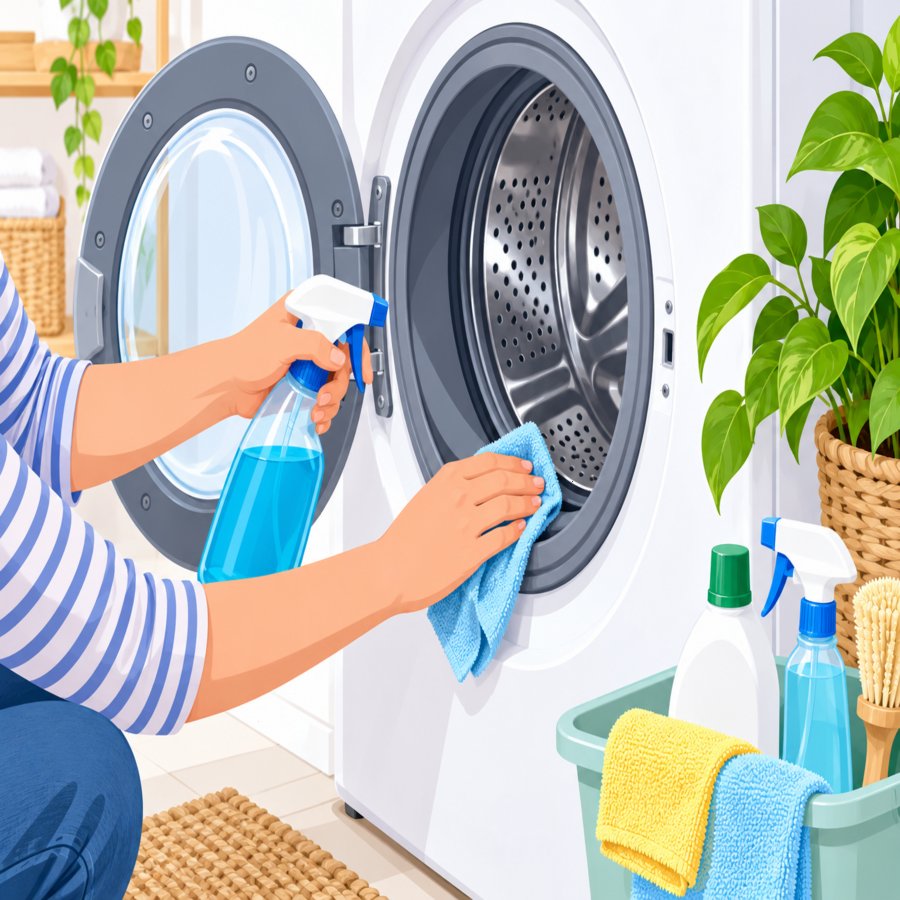
Why Washing Machine Cleaning Mistakes Create the Perfect Mold Habitat
Mold needs three things to thrive: moisture, warmth, and organic material to feed on. A washing machine, unfortunately, provides all three in abundance. Every wash cycle leaves behind trace detergent residue, fabric lint, and skin cells, which become a food source once mixed with leftover water.
The most common washing machine cleaning mistakes all share one root cause: treating the machine as self-cleaning simply because it handles soap and water. In reality, the appliance needs its own dedicated maintenance schedule, separate from the clothes it washes.
The hidden moisture trap. Front-loading machines are especially vulnerable because their door seals create a closed, humid environment that rarely sees direct sunlight or airflow. This is precisely why mold in front loader units is such a widespread complaint compared to top-loading alternatives.
Mistake One: Leaving Wet Laundry and Closing the Door Immediately
Shutting the door right after a wash cycle seals in humidity and traps warm, damp air exactly where mold spores want to settle. This single habit is responsible for more mildew smell complaints than any other factor.
Leaving the door propped open for at least thirty minutes after every load allows trapped moisture to evaporate naturally. It costs nothing and takes zero extra effort, yet it remains one of the most overlooked fixes available to homeowners.
Quick fix. Install a small door-prop clip or simply leave the door ajar on a latch setting if your model supports it, so pets or children cannot access the drum while it airs out.
Mistake Two: Ignoring the Rubber Door Gasket
The rubber gasket that seals a front loader’s door is the single most mold-prone surface in the entire appliance. Its folds trap water, hair, lint, and detergent scum in pockets that are almost invisible unless you physically pull the rubber back.
Most people wipe only the visible front of the gasket and miss the hidden fold entirely, which is why mold in front loader seals keeps returning even after a seemingly thorough wipe-down.
Weekly ritual. Fold the gasket back by hand and wipe the inner groove with a cloth dampened in a one-to-one vinegar and water solution. Dry it completely with a separate towel to avoid redepositing moisture.
Just as a poorly planned gallery wall can hide structural issues behind the frames, a neglected gasket hides the real source of household odor behind a seemingly clean surface. For a broader look at how overlooked details undermine a finished space, see this breakdown of common gallery wall design mistakes homeowners should avoid, which applies the same “look closer” principle to interior styling.
Mistake Three: Using Too Much Liquid Detergent
More soap does not mean cleaner clothes. Excess liquid detergent fails to fully rinse away, leaving a sticky film along the drum walls and dispenser drawer that becomes a feeding ground for bacteria and mold spores.
High-efficiency machines in particular use far less water per cycle, meaning standard detergent doses are almost always excessive. This single oversight ranks among the most damaging washing machine cleaning mistakes because the residue builds silently over months before odor ever becomes noticeable.
The simple test. If you see suds lingering well into the rinse cycle, you are using too much. Switch to HE-labeled detergent and measure with the cap line rather than guessing.
Mistake Four: Skipping Regular Drum Sanitizing Cycles
Running only regular wash cycles, even on hot settings, is not enough to disinfect the machine itself. You need to periodically run a dedicated empty cycle designed specifically to strip residue from the drum and internal components.
To properly washing machine drum sanitize routine, run an empty hot-water cycle once a month using either a dedicated washer-cleaning tablet or two cups of white vinegar combined with a half cup of baking soda. Let the mixture sit for ten minutes before starting the cycle for maximum effect.
Many newer machines include a built-in “Clean” or “Tub Clean” cycle. If yours has one, use it on a fixed schedule rather than waiting until odor becomes obvious, since visible smell usually means mold has already established colonies.
Mistake Five: Letting the Detergent Drawer and Dispenser Go Unwashed
The detergent and fabric softener drawer is one of the most neglected parts of the entire appliance. Softener in particular leaves a waxy residue that solidifies over time, clogging dispenser channels and creating dark, slimy buildup.
Most dispenser drawers slide out completely for cleaning, yet very few owners ever remove them. This oversight is a textbook example of the smaller washing machine cleaning mistakes that compound into a bigger odor problem over time.
Monthly task. Remove the drawer entirely, soak it in warm water with a splash of dish soap, and scrub the compartment cavity with an old toothbrush before reinserting it fully dry.
Mistake Six: Overloading the Drum Beyond Capacity
Cramming in one extra towel to save a wash cycle feels efficient, but it prevents clothes from rinsing properly and leaves detergent trapped in the fabric and drum crevices. Overloaded machines also struggle to drain fully, leaving standing water that promotes bacterial growth.
A good rule of thumb is to fill the drum no more than three-quarters full, leaving room for the water and detergent to circulate freely around every garment.
According to the gardening and home experts at The Old Farmer’s Almanac, proper airflow and moisture control are foundational principles that extend well beyond the garden shed and directly apply to indoor appliance care, including laundry machines prone to mildew.
Mistake Seven: Forgetting the Drain Filter and Hose Connections
Behind a small access panel near the base of most front loaders sits a drain filter that collects coins, hair, lint, and debris. Left unchecked, this component becomes a breeding ground that reintroduces mold spores into every subsequent wash.
Clear the drain filter every one to two months, keeping a shallow pan nearby to catch residual water. Inspect the drain hose connection as well, since kinks or clogs there can cause slow drainage that leaves standing water inside the drum between cycles.
This final oversight rounds out the list of core washing machine cleaning mistakes that, together, explain nearly every chronic mold and odor complaint reported by homeowners.
Building a Sustainable Laundry Maintenance Routine
Fixing individual mistakes helps, but lasting results come from a consistent schedule rather than occasional deep cleans. Think of your washing machine the way you would think of any major appliance: it needs routine upkeep to perform reliably for years.
Daily habit. Leave the door cracked open after every load and wipe visible moisture from the gasket fold with a dry cloth.
Weekly habit. Deep-wipe the gasket groove with a vinegar solution and check the detergent drawer for buildup.
Monthly habit. Run a full sanitizing cycle, clean the drain filter, and inspect hose connections for kinks or leaks.
These simple laundry maintenance tips take only a few minutes each week but save you from the far more unpleasant task of battling established mold colonies later. Consistency, not intensity, is what actually keeps a washing machine odor-free long term.
Warning Signs Your Machine Already Has a Mold Problem
A persistent musty smell even on freshly laundered clothes is the clearest red flag. If towels smell sour within a day of drying, the contamination is coming from the machine itself, not your drying method.
Visible black or dark green specks along the gasket, dispenser drawer, or drum opening confirm active mold growth. At this stage, a single wipe-down will not solve the issue; you need a thorough sanitizing session combined with manual scrubbing of every affected surface.
Household members experiencing unexplained allergy flare-ups, sneezing, or skin irritation after wearing freshly washed clothes should also consider a contaminated machine as a possible cause, since mold spores can transfer directly onto fabric during the wash cycle.
Deep Cleaning Protocol for an Already Moldy Machine
If mold has already taken hold, a single cycle will not be enough. Start by removing and fully submerging the detergent drawer in hot water mixed with dish soap for at least twenty minutes.
Next, scrub the gasket fold by hand using a solution of equal parts bleach and water, wearing gloves and ensuring the room is well ventilated. Rinse thoroughly with a damp cloth afterward to remove any bleach residue before running a cycle.
Finally, run two consecutive empty hot cycles, the first with a washer-cleaning tablet or vinegar, and the second with plain water to flush out any remaining residue. Repeating these steps correctly is often the only way to fully reverse the most severe washing machine cleaning mistakes once mold has already spread through the system.
For broader guidance on moisture control and mildew prevention in household settings, resources from the USDA on humidity and mold management offer useful background that applies well beyond the kitchen or garden shed.
Final Thoughts on Keeping Your Washer Mold-Free
A washing machine is one of the hardest-working appliances in any home, yet it rarely receives the same attention as a kitchen oven or bathroom tile. Correcting these seven mistakes does not require special tools or expensive products, just consistency and a willingness to look past the obvious surfaces.
Start with the easiest fix today: leave the door open after your next load. Then build outward from there, adding the weekly gasket wipe and monthly sanitizing cycle until your entire routine runs on autopilot.
Avoiding these common washing machine cleaning mistakes protects not just your appliance’s lifespan, but the health and comfort of everyone wearing the clothes that come out of it.